turn away
turn away は英検1級レベルの英単語で、「目をそらす、顔を背ける、追い返す、受け入れを断る」という意味があります。発音記号は /tɜːn əˈweɪ/ です。
意味一覧 (4件)
目をそらす
解説 Definition
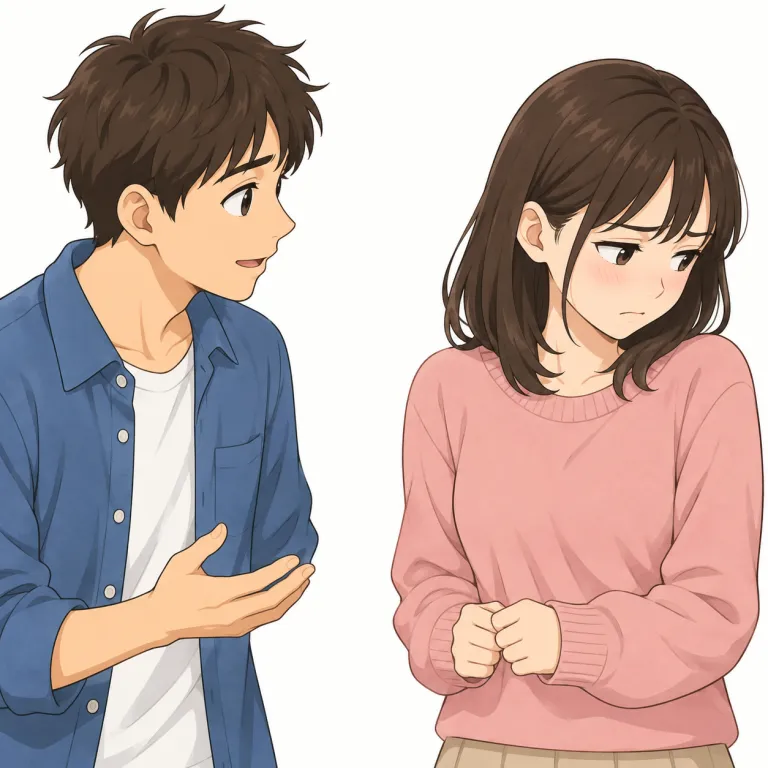
turn away がこの意味で使われると、顔や視線を別の方向へ向けて、見ないようにすることを表す。驚き・恥ずかしさ・嫌悪感から無意識に背ける場面や、相手と目を合わせない描写でよく使う。単に向きを変えるだけでなく、感情的に向き合うのを避ける含みを帯びることもある。
When turn away is used in this sense, it means to move your face or eyes in another direction so that you do not look at someone or something. It is often used when a person does this because of shock, shame, discomfort, or disgust. It can also describe avoiding eye contact or emotionally refusing to face a difficult truth.
覚え方のコツ Memory Tip
turn=向きを変える、away=離れていく、と分けて見ると覚えやすい句動詞です。相手の向きをこちらではなく外へ向ける感じから、「入れずに帰らせる」「顔や視線をそらす」の2つに広がります。まずは turn people away, be turned away at the door, turn away from the truth のような頻出パターンで定着させるのが有効です。似た表現の turn down は提案や依頼を断る語で、turn away は人をその場から返す、または見ないようにする、という場面差で区別すると混同しにくくなります。
You can remember turn away by splitting it into turn, meaning change direction, and away, meaning off or to the side. The core image is moving your face or eyes away from someone, which helps you remember both "look away" and other uses like sending people away. It is useful to learn common patterns such as turn away from the truth, since they show the idea of avoiding something directly.
例文
She turned away when I tried to look into her eyes.
私が目を見ようとすると、彼女は目をそらした。
He turned away from the screen because the scene was too disturbing.
その場面があまりに痛ましくて、彼は画面から目をそらした。
Instead of answering, she turned away and stared out the window.
彼女は答える代わりに目をそらし、窓の外を見つめた。
顔を背ける
(意味 2)解説 Definition
嫌なもの、見たくない場面、まぶしい光などから顔や視線を別の方向へ向けるときに使う句動詞です。turn away from ... の形で「…から顔をそむける」と言いやすく、拒否や入場制限の意味ではなく、身体や視線の向きに焦点があります。
"Turn away" is a phrasal verb used when someone moves their face or eyes in another direction because they do not want to look at something, or because it is too unpleasant, painful, or bright. It often appears as "turn away from ..." to show what a person avoids looking at. In this entry, the focus is on changing your physical direction or gaze, not on refusing someone or stopping them from entering.
覚え方のコツ Memory Tip
turn は「向きを変える」、away は「離れた方向へ」という組み合わせです。何かを正面から見続けず、顔や目線を別の方向へ回す場面を思い浮かべると定着しやすくなります。turn away from the light, turn away from the camera のように from と一緒に使われることが多いです。同じ turn away には「追い返す」という別義もありますが、このエントリでは人や物を拒むのではなく、自分の顔や視線の向きが変わる点を意識します。
Think of "turn" as changing direction and "away" as going to the other side. When you do not keep looking straight at something, you turn your face or eyes away from it. It is often used with "from," as in "turn away from the light" or "turn away from the camera." Be careful, because "turn away" can also mean "reject" or "send someone away," but this entry is about your own face or gaze moving in another direction.
例文
She turned away from the bright light and covered her eyes.
彼女はまぶしい光から顔を背け、目を覆った。
He turned away when the doctor removed the bandage.
医師が包帯を外したとき、彼は顔を背けた。
Please don’t turn away from the camera just yet.
まだカメラから顔を背けないでください。
追い返す
(意味 3)解説 Definition
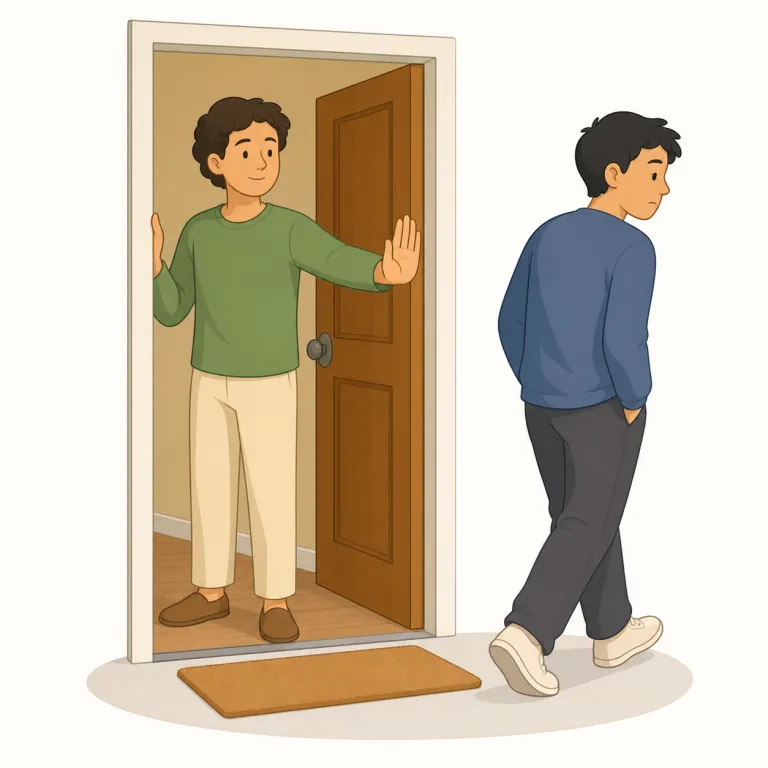
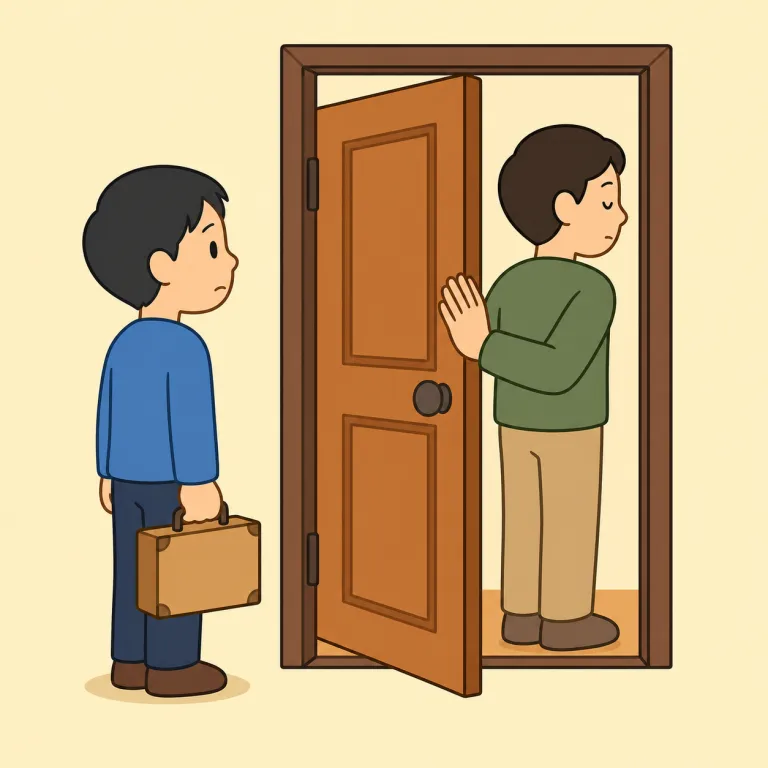
入場や支援を拒否して追い返す、あるいは視線や関心をそらすことを意味する句動詞。難民や観光客などに対して施設側が断る場面や、自分の抱える問題から目をそらすときにも使われる。相手の要求や意図を受け入れないという強い意思を表すときに使いやすい。
To turn someone away means to refuse to let them enter a place or receive help or service. It is often used for doors, offices, hospitals, shelters, or events. The phrase usually suggests refusal because of a rule, limit, or decision.
覚え方のコツ Memory Tip
この意味では turn away は、相手の向きを変えるというより「入れずに外へ帰らせる」と考えると覚えやすいです。満員の会場、規則のある施設、支援窓口などで、visitor, customer, applicant など人を目的語にして turn people away とよく使います。基本義の「顔を背ける」は自分の顔や視線の動きですが、こちらは係員や組織が相手を受け入れない場面です。turn down は提案や依頼を断る語で、turn away は人をその場から返す点が中心です。
Picture the two parts: "turn" changes direction, and "away" sends someone outward. That image helps you remember ideas like sending people back or turning your eyes from something. Keep examples in mind such as "turn people away" and "turn away from the truth."
例文
The guard turned away visitors without prior registration.
警備員は事前登録がない訪問者を追い返した。
She turned away from the painting when the scene became too emotional.
その場面があまりに感情的だったので、彼女はその絵から視線をそらした。
受け入れを断る
(意味 4)解説 Definition
人や申込者などを turn away するのは、席不足・満員・資格不足などの理由で、入場・利用・参加を認めず受け入れないことを表す。感情的な拒絶だけでなく、規則や定員のため機械的に断る文脈でもよく使う。単に追い払うよりも、受け入れ基準を満たさないため断る響きが強い。
If you turn someone away, you refuse to let them enter, join, use a service, or take part in something. It is often used when there is no space left, the place is full, or the person does not meet the rules or requirements. The phrase can sound practical and official, not only emotional, and it often suggests that the person was not accepted rather than simply chased away.
覚え方のコツ Memory Tip
turn は「向きを変える」、away は「離れて」を表すので、turn away は相手をこちらに入れず外へ向ける感覚です。客や申請者、難民などを turn away from a door / turn away applicants のように受け入れ拒否する場面で使います。refuse より動作のイメージが強く、入場や参加を断る表現として覚えると定着します。
Think of the two parts: turn + away. If you turn someone away, you make them go away instead of letting them come in or stay. This helps you remember the common feeling of refusing entry, service, or acceptance because of rules, limits, or lack of space.
例文
The restaurant had to turn away several customers because all the tables were full.
そのレストランは満席だったため、何組かの客の受け入れを断らなければならなかった。
Applicants who do not bring the required documents may be turned away at the front desk.
必要書類を持ってこない申込者は、受付で受け入れを断られることがある。
The shelter never wants to turn away families in need, but space is limited in winter.
その保護施設は困っている家族の受け入れを断りたくはないが、冬は空きが限られている。
turn away の語源・成り立ち Etymology
turn はラテン語 tornare「ろくろで回す」が古フランス語 torner などを経て英語に入った語で、away は古英語由来の「向こうへ」です。向きを変えて相手を自分から遠ざけるイメージから「背を向ける」「追い返す」となり、return や overturn にも同じ turn が見えます。
Turn comes from Latin tornare, meaning "to turn on a lathe," and passed into English through Old French forms such as torner. Away comes from Old English and means "to the other side" or "off." Together, turn away first gave the image of changing direction from someone or something, and later developed meanings like "look away" and "send away."
外部辞書で調べる
この単語を英単語クイズで覚えよう