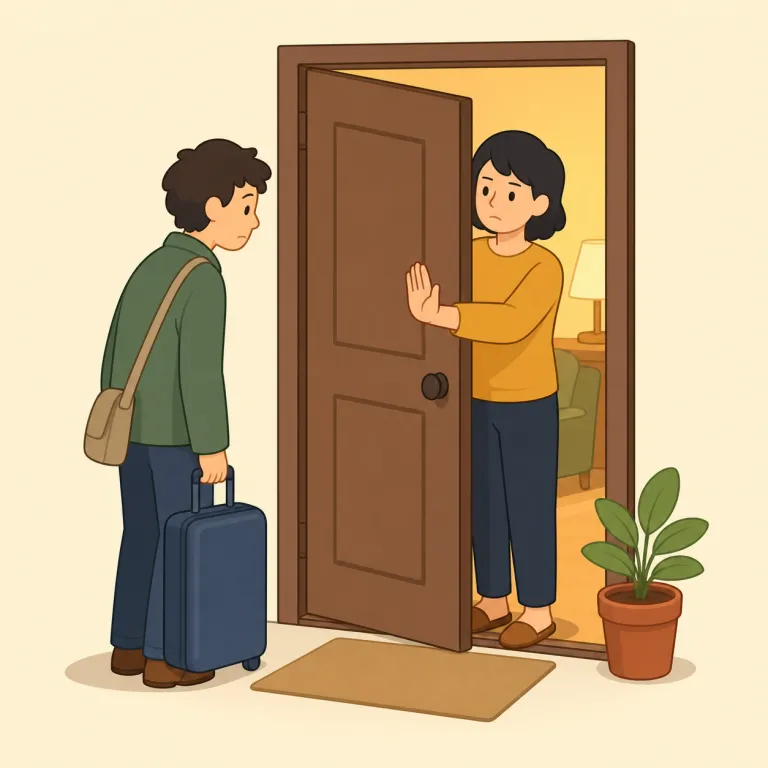
歓迎されない
解説 Definition
誰かに好ましくない、または歓迎されていないという意味です。人や意見が受け入れられていない状態を表します。
If something or someone is unwelcome, people do not want it or them to be present. It is often used for visitors, attention, advice, or changes that cause discomfort or annoyance.
覚え方のコツ Memory Tip
welcome を「歓迎する」と知っていれば、先頭の un- で意味が反転すると覚えるのが最短です。まずは「歓迎される welcome」と「歓迎されない unwelcome」を対で固定すると忘れにくくなります。人については an unwelcome guest / visitor、物事については unwelcome news / change の形でよく出ます。さらに feel unwelcome で「居心地が悪い、歓迎されていないと感じる」。unwanted は「不要」が中心ですが、unwelcome は「来てほしくない・受け入れたくない」という対人関係や場の空気まで含む拒否感が出やすい語です。
Use the opposite pair `welcome / unwelcome`. `Unwelcome` is stronger than just `not wanted` because it suggests a cold feeling or rejection. Think of common phrases like `unwelcome guest`, `unwelcome news`, or `feel unwelcome`.
例文
His unwelcome comments made the meeting uncomfortable.
彼の好ましくない発言のせいで、会議は気まずい雰囲気になりました。
The unwelcome guest arrived without an invitation.
誰にも歓迎されていない客が、招待されてもいないのに現れました。
She felt unwelcome at the family gathering.
彼女は家族の集まりで歓迎されていないと感じました。
unwelcome の類義語・関連語
unwelcome の語源・成り立ち Etymology
unwelcome は un-「〜でない」+ welcome で、welcome 自体は古英語 wilcuma「望ましい来訪者」にさかのぼります。wil「喜び・願い」と cuma「来る人」が元で、関連語に welcome, come があり、「来てほしい人でない」から「歓迎されない」です。
Unwelcome is made from un- and welcome. Welcome goes back to Old English wilcuma, meaning a wished-for or pleasing guest, from wil "desire" or "pleasure" and cuma "person who comes"; it is related to come. The meaning developed naturally from "not a wanted guest" to "not gladly received."
同じレベルの語彙をもっと
外部辞書で調べる
この英単語をクイズで覚えよう