終止形、終止
noun 名詞音楽で、楽句や楽曲の一区切りや終結を感じさせる和音または旋律の進行を指します。単なる一定の拍子や速さではなく、音楽的な緊張を解決したり区切りを示したりする構造です。
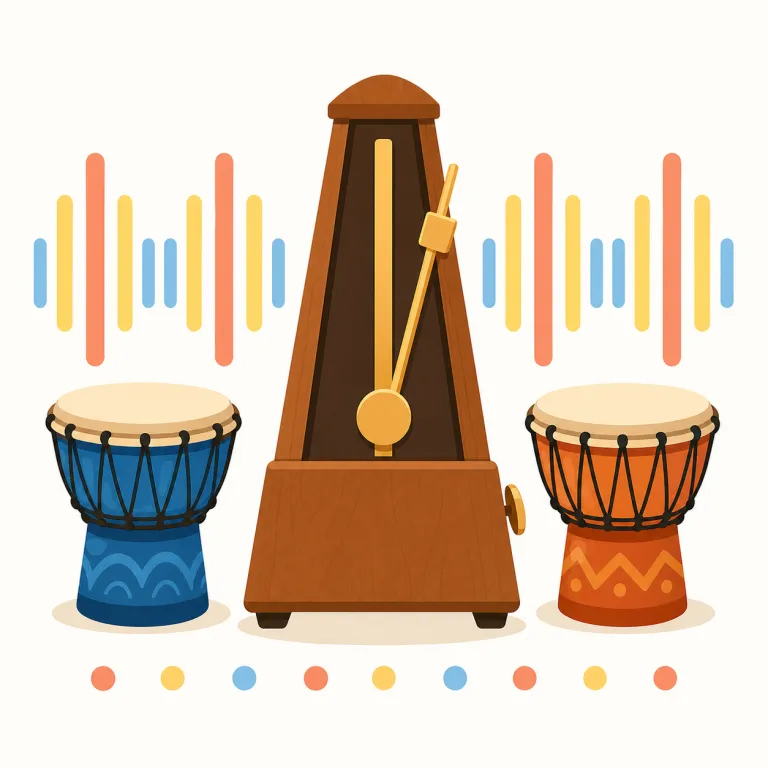
cadence は英検1級レベルの英単語で、「リズム」という意味があります。発音記号は /ˈkeɪdəns/ です。
音声の抑揚、リズムの調子。音や言語における、上下の変動や一定のリズムパターン。
Cadence is the natural rhythm or flow of sound, speech, or movement. It is often used when talking about music, poetry, public speaking, or even the pace of walking or running. The word focuses on pattern and timing.
cadence はまず rhythm の少し具体版として覚えると定着しやすい。単なる「拍子」ではなく、声・文章・足取りなどに表れる、規則的で繰り返し感じられる流れや抑揚を指しやすい語。the cadence of her voice, a steady cadence のような形で覚えると使い所が見えやすい。rhythm より「話し方や動きの流れ」に寄り、melody ほど音程中心ではない、という違いも一緒に押さえると混同しにくい。
Remember cadence as a special kind of rhythm. It is often the rhythm of a voice, walking, or writing, not just music. Phrases like a steady cadence or the cadence of her voice help fix the word in real situations.
The musician played the piece with a steady cadence that captivated the audience.
その音楽家は一定のリズムで曲を演奏し、観客を魅了した。
Her voice had a pleasant cadence that made her easy to listen to.
彼女の声は心地よい抑揚があり、聞き取りやすかった。
The poem's cadence gave it a rhythmic beauty that lingered in the mind.
その詩の抑揚は心に残るリズミカルな美しさを与えた。
文脈によって、次の意味でも使われます。
音楽で、楽句や楽曲の一区切りや終結を感じさせる和音または旋律の進行を指します。単なる一定の拍子や速さではなく、音楽的な緊張を解決したり区切りを示したりする構造です。
cadenceはフランス語cadenceを経て、ラテン語cadentia「落下・落ちること」に由来し、さらにcadere「落ちる」へさかのぼります。音や声が規則的に“落ちて”収まる感覚から、「拍子・律動」の意味になりました。関連語はdecadence、decayです。
Cadence came into English through French cadence, from Latin cadentia, meaning "a falling," from cadere, "to fall." The idea was of a voice or sound falling into a resting point. From that, the word developed the sense of rhythm or a regular flow in sound and speech; related words include decay and decadence.
この英単語をクイズで覚えよう