disorder
disorder は英検2級・TOEIC 860・TOEFL 80・IELTS 6.5レベルの英単語で、「病気、障害、無秩序」という意味があります。発音記号は /dɪsˈɔːrdɚ/ です。
意味一覧 (2件)
病気、障害
解説 Definition
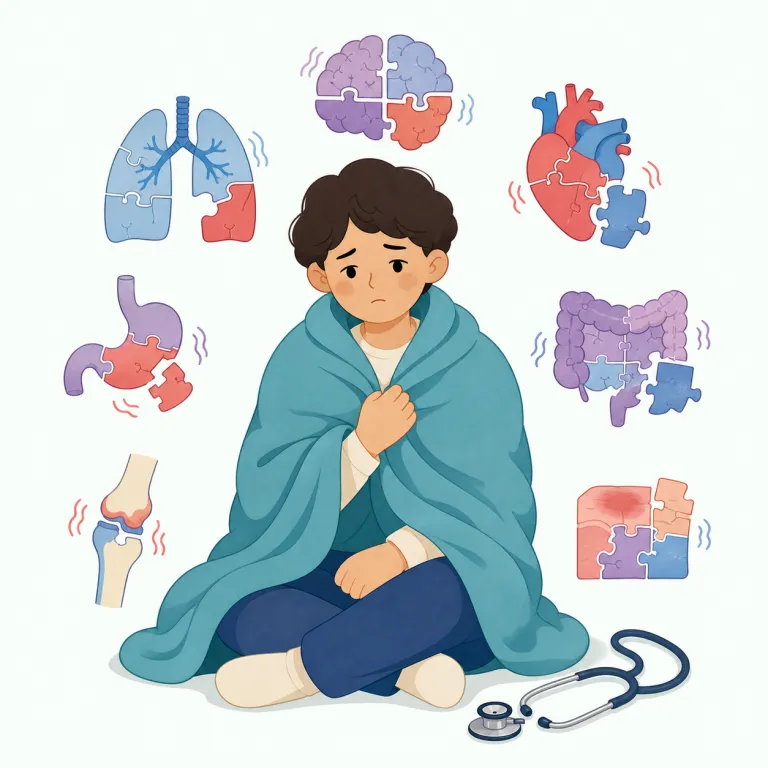
体や心の働きが正常でなくなった状態を表し、病名や診断名の一部としてよく使われます。日常会話よりも医療・心理・学術の文脈で現れやすく、単なる一時的な不調より、一定の症状や機能の乱れを指すことが多い語です。
A condition in which the body or mind does not function normally. This noun often appears in medical or psychological names for conditions involving a particular set of symptoms or difficulties.
覚え方のコツ Memory Tip
order を知っていれば覚えやすい語で、dis- が付くと「体や心の働きの秩序が乱れる」イメージになります。この項目では「病気・障害」の意味が中心で、medical disorder, mental disorder, eating disorder のように診断名や症状名の一部としてよく出ます。単なる一時的な体調不良より、一定の症状や機能の乱れがある状態を指しやすい語です。広く「無秩序」の意味もありますが、医療・心理の文脈では「障害」と押さえると定着します。
Start with order and imagine the body's or mind's usual functioning becoming disrupted when dis- is added. Phrases such as sleep disorder and eating disorder anchor the word to a health condition with specific difficulties.
例文
His sleep disorder keeps him awake at night.
彼は睡眠障害のため、夜も眠れない。
His disorder makes school hard.
彼は障害のため、学校生活に苦労しています。
She takes medicine for the disorder.
彼女はその病気の薬を飲みます。
無秩序
(意味 2)
解説 Definition
秩序や整理がない状態を意味します。混乱していたり、規則正しくない状況です。
Disorder is a state of confusion, lack of order, or uncontrolled behavior. It can also mean a physical or mental illness that affects normal functioning.
覚え方のコツ Memory Tip
order を知っていれば覚えやすい語で、dis- が付くと「整った並び・秩序が崩れる」イメージになります。confusion が「頭の中がこんがらがる混乱」寄りなのに対し、disorder は部屋・社会・行動・体調などが「秩序を失った状態」そのものを指しやすいです。public disorder、mental disorder、eating disorder のような固まりで触れると定着します。order / orderly / disorder / disorderly と並べて形ごと覚えるのも有効です。
Build it from `order`: when `dis-` is added, the sense becomes `not in order`. That makes the word easy to connect to a broken state in society, behavior, or health. Remember collocations like `public disorder` or `eating disorder`.
例文
The room is in disorder.
その部屋は散らかっています。
My desk is in disorder.
私の机は散らかっています。
The books are in disorder.
本が乱雑に並んでいます。
えいたんごクイズでの正答率
この語をはじめて出題された 32人 のうち 24人 が正解しました(75%)。
えいたんごクイズの回答から集計した独自データです。1人につき最初に出題されたときの1回だけを数えており、復習や2回目以降の回答、「わからない」と時間切れは含みません。 集計時点は 2026年9月19日 です。
disorder の類義語・関連語
disorder の語源・成り立ち Etymology
disorder は dis-「欠如・反対」と order「秩序」からなり、古フランス語 desordre、さらにラテン語 ordo「列・秩序」に由来します。つまり「順序が外れた状態」が原義で、そこから「無秩序」や「混乱」という意味になりました。関連語は order, ordinary。
The word combines dis-, expressing absence or opposition, with order. It comes through Old French desordre and ultimately connects with Latin ordo, meaning "row" or "order."
同じレベルの語彙をもっと
英検2級の一覧へ →外部辞書で調べる
この英単語をクイズで覚えよう