リズム
解説 Definition
rhythm は音楽や動きに見られる規則的な調子、リズムという意味です。日本語の「リズム」とほぼ同じですが、生活や仕事の一定の流れを表す場合にも使えます。
Rhythm is a regular or recognizable pattern of sounds, beats, movements, or activities. It can describe music and dance as well as the repeated pace or flow of daily life and work.
覚え方のコツ Memory Tip
rhythm は母音字らしい a・e・i・o・u がなく、y が母音の役割をする綴りに注目します。「流れ」を表すギリシャ語に由来し、音や動きが一定の間隔で流れる像と結び付けましょう。the rhythm of the drums のほか、study rhythm のように生活の規則的な流れにも使えます。
Remember rhythm as a patterned flow. Its Greek source was connected with flowing movement, which fits the way beats, dance steps, or repeated activities move through time. The unusual spelling has no a, e, i, o, or u; the two y’s carry the vowel sounds. Learn it through phrases such as the rhythm of the drums, move to the rhythm, and find a study rhythm. Beat often means the basic pulse, while rhythm is the broader pattern created from beats and timing.
例文
This song has a fast rhythm.
この歌は速いリズムです。
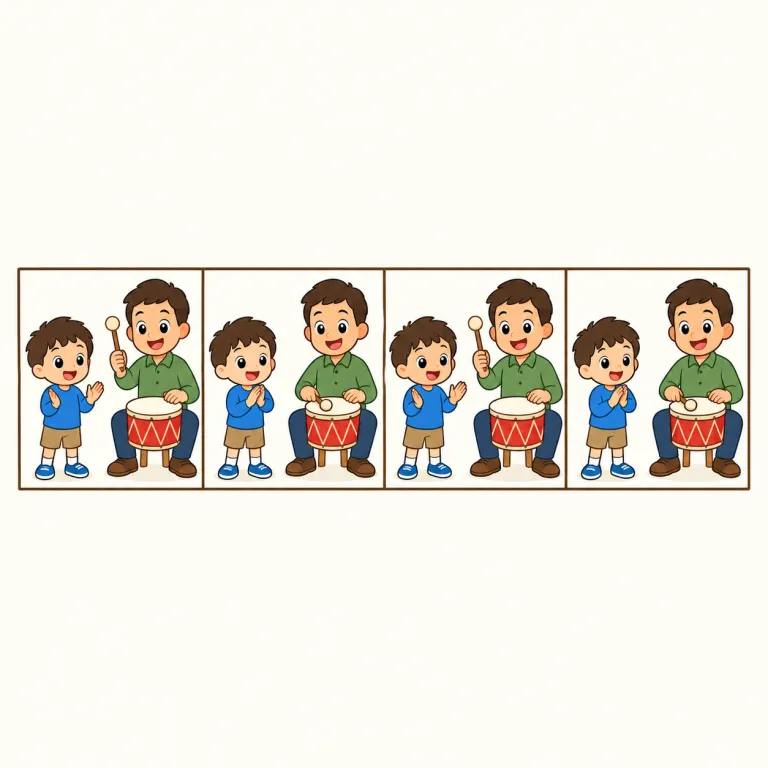
The dancers moved to the rhythm of the drums.
ダンサーたちは太鼓のリズムに合わせて動きました。
It took me a week to find a good study rhythm.
よい学習のリズムをつかむのに1週間かかりました。
rhythm の類義語・関連語
類義語
紛らわしい語
rhythm の語源・成り立ち Etymology
ギリシャ語 rhythmos(規則的な流れ)に由来し、語根 rheîn(流れる)から派生。関連語は rhyme(韻)、diarrhea(下痢=dia-「通して」+ rhein「流れる」)。水の規則的な流れのイメージが、音楽や動きの周期的パターンを表すようになった。
Rhythm came through Latin and French from Greek rhythmos, meaning a measured movement, recurring pattern, or regular flow. Rhythmos is traditionally connected with the Greek verb rhein, “to flow.” The sense developed naturally from patterned movement to the organization of sounds and beats in music, and then to recurring patterns in movement, speech, work, and everyday life. Despite their similar spellings, rhythm and rhyme have different histories.
同じレベルの語彙をもっと
外部辞書で調べる
この英単語をクイズで覚えよう