未完了過去、半過去
noun 名詞文法で、過去に進行中だった動作、反復していた習慣、継続していた状態などを表す時制または動詞形を指す。主にthe imperfectの形で、フランス語・スペイン語などの文法説明に現れる。完了した一回の出来事を示す過去形とは区別される。
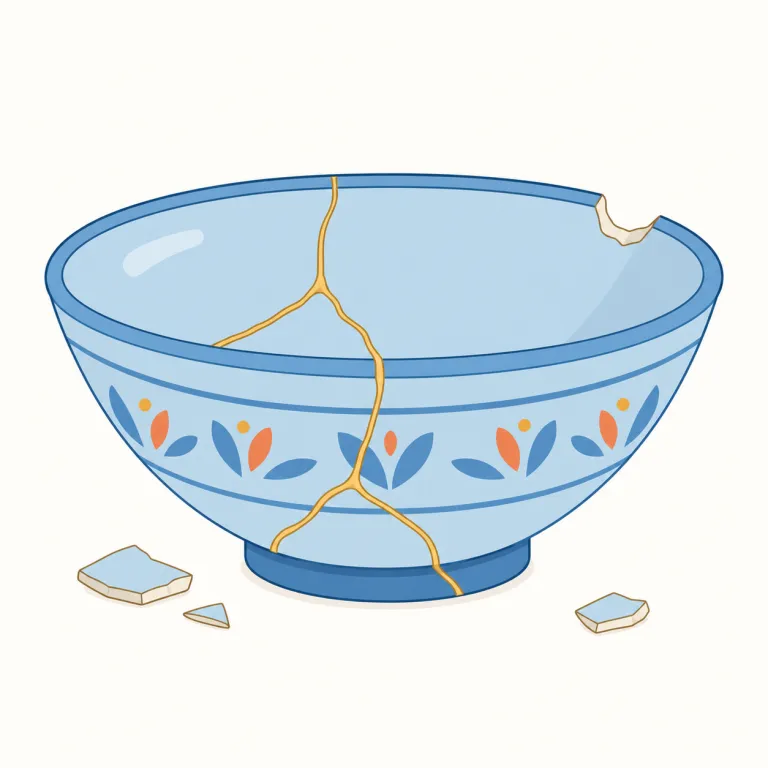
imperfect は英検2級レベルの英単語で、「不完全な」という意味があります。発音記号は /ɪmˈpɜrfɪkt/ です。
不完全なとは、欠陥や欠点があり、完全な状態に達していないことを表します。人間の行動や物事の状態、システムなどに広く使われる表現です。完璧ではないが、それでも価値や意味を持つことを認める際にも用いられます。
Imperfect means not completely correct, finished, or without faults. It is used for things, people, skills, or situations that have some weakness or limitation. The word does not always mean bad; it often simply means not ideal.
perfect を知っていれば覚えやすい語です。語頭の im- は「否定」と見て、まず「perfect ではない」と捉えると意味が立ちます。ただし useless のように「全然だめ」ではなく、「十分ではない・どこか欠ける」程度の不完全さを表すのがコツ。an imperfect plan, imperfect information, imperfect English のように、完成はしていないが実用や価値はある対象によく使われます。perfect / imperfect を対で覚えると定着しやすいです。
This is an easy opposite pattern: `perfect` becomes `imperfect`. The prefix `im-` gives the idea of "not." It usually means something is not fully complete or ideal, but still useful, like `imperfect information` or `imperfect English`.
The first draft was imperfect, but it showed great potential.
最初の草稿は不完全でしたが、大きな可能性を示していました。
We live in an imperfect world, and everyone makes mistakes.
私たちは不完全な世界に生きており、誰もが間違いを犯します。
His imperfect understanding of the language caused some confusion.
彼はその言語を十分に理解していなかったため、少し混乱が生じました。
この語をはじめて出題された 33人 のうち 32人 が正解しました(97%)。
えいたんごクイズの回答から集計した独自データです。1人につき最初に出題されたときの1回だけを数えており、復習や2回目以降の回答、「わからない」と時間切れは含みません。 集計時点は 2026年9月19日 です。
文脈によって、次の意味でも使われます。
文法で、過去に進行中だった動作、反復していた習慣、継続していた状態などを表す時制または動詞形を指す。主にthe imperfectの形で、フランス語・スペイン語などの文法説明に現れる。完了した一回の出来事を示す過去形とは区別される。
imperfect はラテン語 imperfectus に由来し、im-「否定」+ perfect「完全な」から成る。perfect は per-「徹底的に」+ facere「作る」で、「まだ仕上がっていない」が「不完全な」へ直結した。perfect や perfection と並べると覚えやすい。
"Imperfect" comes from Latin "imperfectus," made from "im-" meaning "not" and "perfectus," meaning "finished" or "completed." The deeper root of "perfect" is Latin "facere," meaning "to make" or "do." So the original idea was something not fully made or not fully finished, which became the modern sense of not complete or not flawless.
この英単語をクイズで覚えよう