不純な
解説 Definition
不純とは、他の物質が混ざっていたり、道徳的に悪い目的を含んでいたり、完全ではない状態を指します。清潔でない、あるいは不正直な性質を持つことです。
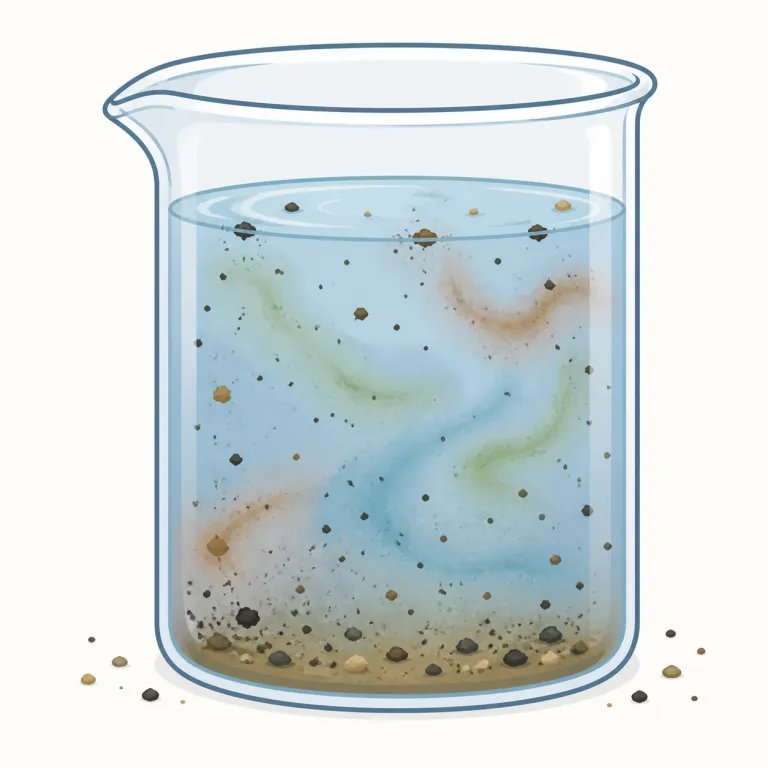
Impure means not pure or not completely clean because something unwanted has been mixed in. It is often used for substances like water, air, or metal, and it can also describe thoughts or motives in a moral or religious sense.
覚え方のコツ Memory Tip
pure が「純粋な」と分かれば、im- は否定の接頭辞なので impure はまず「純粋ではない」と取れる。覚えるときは pure water と impure water を対で見ると定着しやすい。核にあるのは「別のものが混ざって純度が落ちた」感覚で、化学・食品では literal に不純、thoughts / motives では「心がよこしまで純粋でない」に広がる。dirty は表面が汚い感じだが、impure は“混入して純度が下がる”のが中心。関連語 purify も一緒に押さえると記憶がつながる。
Start from pure, a common word, then add im-, a negative prefix. So impure is simply the opposite of pure. Remember it as a pair: pure water vs. impure water.
例文
The impure water was not safe for drinking.
不純な水は飲用に適していませんでした。
His motives were impure, driven by personal gain rather than helping others.
彼の動機は不純で、人助けではなく私利私欲に基づくものでした。
The impure substance could not be used in the experiment.
その不純な物質は実験に使用できませんでした。
impure の類義語・関連語
類義語
紛らわしい語
impure の語源・成り立ち Etymology
im- は in- の同化形で「否定」、pure はラテン語 purus「清い」が古フランス語を経て入った語です。文字通りは「清くない」で、混じりけがあることや道徳的な汚れの感覚にも広がりました。関連語は pure, purify。
Impure comes from Latin purus, meaning "clean" or "pure," with the negative prefix im-, a changed form of in- used before p. It reached English through Old French and Latin-based forms. Its literal sense was "not pure," and later it came to suggest not only physical mixture but also moral uncleanness. Related words include pure and purify.
同じレベルの語彙をもっと
外部辞書で調べる
この英単語をクイズで覚えよう