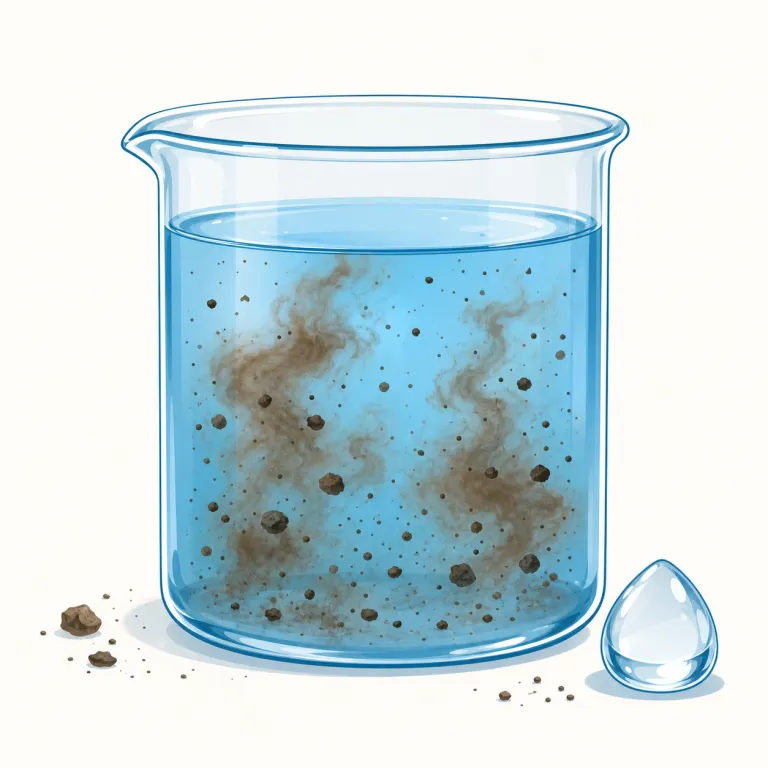
impurity
impurity はTOEFL 100・IELTS 7.5レベルの英単語で、「不純、不純であること、不純物」という意味があります。発音記号は /ɪmˈpjʊrəti/ です。
意味一覧 (2件)
不純、不純であること
解説 Definition
余分な成分などが混じっていて、物質が純粋ではない状態や、その不純さを表します。この語義では、混じっている個々の不純物ではなく状態を指します。
Impurity means the state of not being pure because something extra or dirty is mixed in. It can also mean the unwanted thing that is mixed in.
覚え方のコツ Memory Tip
形容詞impure「不純な」に、状態を表す名詞語尾-ityが付いたimpurityは「不純であること」です。the impurity of the waterやa high degree of impurityの形で、混じった成分そのものではなく、水や試料の純度が低い状態に注目します。
Pure means clean or unmixed. Add im- to think "not pure," and impurity becomes the state of not being pure.
例文
The impurity of the water made it unsafe to drink.
その水は不純だったため、飲用には適していませんでした。
The test revealed a high degree of impurity in the sample.
検査により、その試料がかなり不純であることが分かりました。
The impurity of the metal affected its electrical conductivity.
その金属の不純さが電気伝導率に影響しました。
不純物
(意味 2)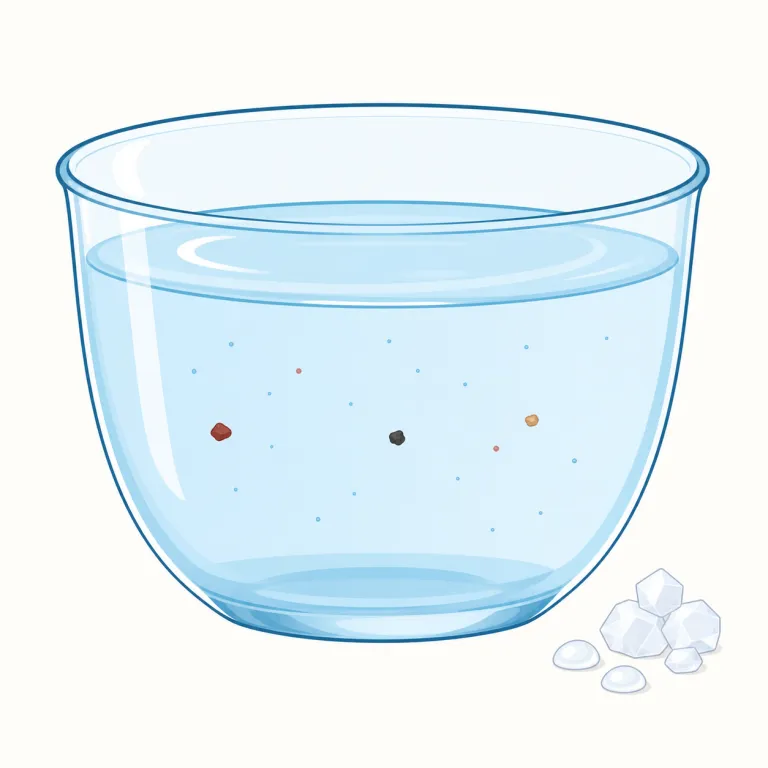
解説 Definition
純粋な物質の中に混ざっている不純な物質を指します。化学的、物理的に混在する不要な成分や混合物です。
An impurity is a substance mixed into something that should be pure. It is commonly used in science, manufacturing, and health contexts to talk about unwanted material. The word can also be used more generally for anything that lowers quality or purity.
覚え方のコツ Memory Tip
pure(純粋な)、purity(純度)、purify(浄化する)を一群で覚えると、impurity は「pure ではないもの」と自然に取れます。im- は否定、-ity は名詞化なので、形としては『不純な状態・混入物』。実際には remove impurities, water impurities のように、製品や液体の中に混ざって質を下げる余計な成分を指すことが多いです。pollution が広く“汚染”全体を言えるのに対し、impurity は中に混じる具体的な不純物、という感覚で区別すると定着しやすいです。
Link it to the word family `pure`, `purity`, and `purify`. `Im-` gives a negative feeling, so `impurity` is something that makes a pure thing less pure. It often appears in phrases like `remove impurities` or `water impurities`. That makes it easy to connect with something unwanted mixed inside.
例文
The water contained impurities that needed to be filtered out.
その水には、ろ過して取り除く必要のある不純物が含まれていました。
The metal's strength was reduced due to impurities.
その金属の強度は不純物により低下しました。
Testing revealed harmful impurities in the sample.
検査によりサンプル内の有害な不純物が明らかになりました。
impurity の類義語・関連語
impurity の語源・成り立ち Etymology
im- は「ではない」という意味を加える部分で、pure は「純粋な」という意味です。そこに名詞を作る -ity が付いて、「純粋でないこと」という意味になりました。
Impurity comes from im-, meaning "not," plus purity, from pure. The ending -ity makes it a noun meaning the state of being not pure.
同じレベルの語彙をもっと
TOEFL 100の一覧へ →外部辞書で調べる
この英単語をクイズで覚えよう