ノロジカ
noun 名詞ヨーロッパやアジアに生息する小型のシカであるノロジカを指します。roe deerという形が一般的ですが、特に英国英語ではroeだけでも用いられ、複数形も通常roeです。
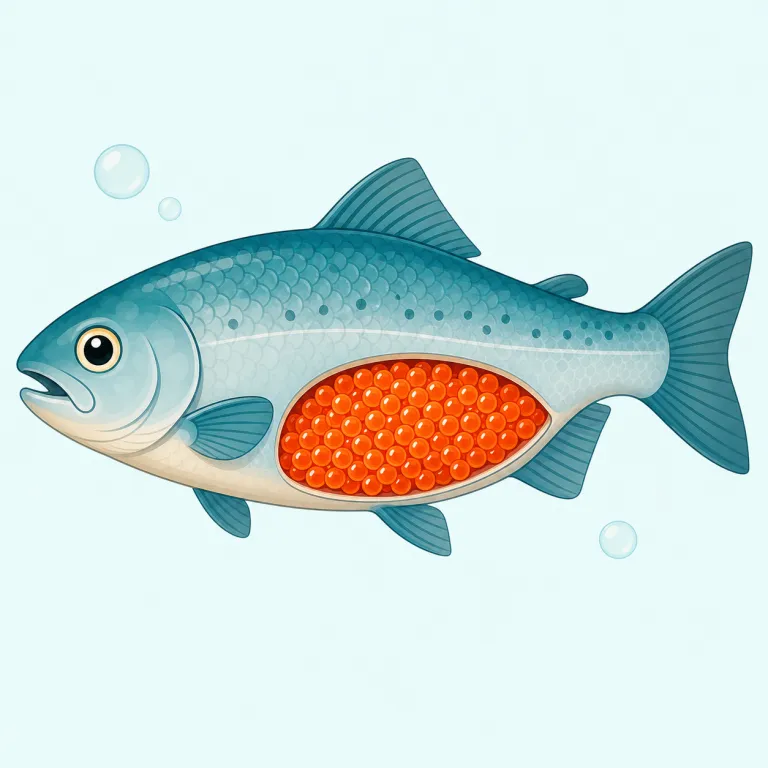
「roe」(イクラ)とは、魚の卵、特に食用とされる魚卵のことを指します。サーモンのイクラが最もよく知られており、寿司や和食の素材として広く用いられています。また、キャビアのようにチョウザメの卵を指すこともあり、高級食材として珍重されています。
The eggs of fish, especially when prepared or used as food. The term can refer to eggs from many species, including salmon, flying fish, and sturgeon.
roe は魚の卵をまとめて指す語で、寿司の上に並ぶ salmon roe「イクラ」や、小粒の flying fish roe「トビコ」を思い浮かべると覚えやすいです。発音は row「列」と同じ /roʊ/ ですが、意味は魚卵なので、皿の上に魚卵が一列の row に並ぶ絵を記憶の手掛かりにできます。fish roe、salmon roe のように魚名を前に置く形が基本です。egg より食材・水産の文脈で使われ、caviar は特に塩漬けのチョウザメ卵を指すと区別しましょう。
Picture small fish eggs arranged in a row on top of sushi; “roe” and “row” share the same pronunciation. Learn combinations such as “fish roe” and “salmon roe,” and remember that the term is broader than caviar.
The sushi chef carefully placed salmon roe on top of the rice.
寿司職人は丁寧にサーモンのイクラをご飯の上に乗せた。
Roe is a delicacy enjoyed in many cultures around the world.
魚卵は世界中の多くの文化で珍重される珍味である。
They added flying fish roe to the pasta.
パスタにとびこを加えた。
文脈によって、次の意味でも使われます。
ヨーロッパやアジアに生息する小型のシカであるノロジカを指します。roe deerという形が一般的ですが、特に英国英語ではroeだけでも用いられ、複数形も通常roeです。
roeは中英語rowe、さらに古英語hrogn「魚卵」に由来する、ゲルマン系の非常に古い語です。細かい分解というより語そのものが古く、同根語にドイツ語Rogenやデンマーク語rognがあり、魚の卵を直接指す基本語だから「イクラ」の意味になります。
The word comes from Middle English “rowe” and Old English “hrogn,” meaning fish eggs. The source describes it as an old Germanic word.
この英単語をクイズで覚えよう