固有の特徴、識別可能な痕跡
noun 名詞人や物を他と区別できる固有の特徴や痕跡を比喩的に指します。digital fingerprint や chemical fingerprint のように、データ・物質・出来事の発生源を識別する手掛かりについて使われます。
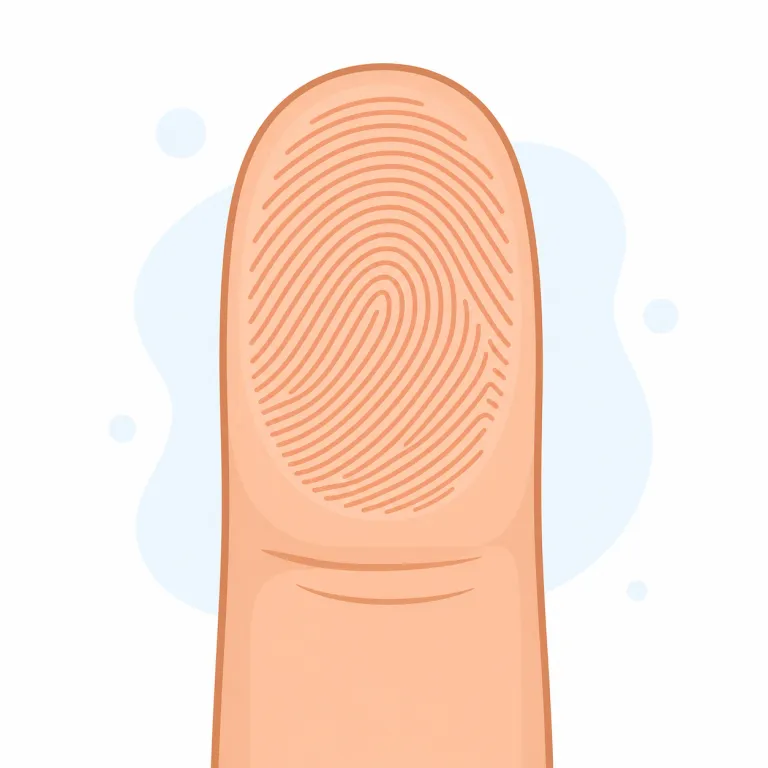
fingerprint は英検2級レベルの英単語で、「指紋」という意味があります。発音記号は /ˈfɪŋɡɚˌprɪnt/ です。
人の指の先端に見られる隆線の独特なパターン。各人が全く異なる指紋を持つため、個人識別や認証に利用されます。
A fingerprint is the mark or pattern made by the lines on the end of a person's finger. It is commonly used in police work, security systems, and personal identification. The word can also refer to a unique sign that helps identify something.
finger と print を分けて考えると覚えやすい。print は「押して残る跡」なので、fingerprint は「指が残した跡」。thumbprint も近い仲間で、スマホ解除や本人確認、犯罪捜査の場面と結びつけると定着しやすい。signature が「書く署名」なのに対し、fingerprint は「触れて残る識別情報」。footprint は「足跡」だけでなく「痕跡」にも広がるので、print 系の広がりも一緒に押さえると混同しにくい。
Split it into `finger` and `print`. A `print` is a mark left on a surface, so a `fingerprint` is the mark your finger leaves behind. Link it with phone unlocking, police work, or identity checks, and compare it with `signature`, which is written, not touched.
I unlocked my phone using my fingerprint.
私は指紋で携帯電話のロックを解除しました。
The police found the suspect's fingerprint at the crime scene.
警察は犯罪現場で容疑者の指紋を発見しました。
No two people have the same fingerprint.
同じ指紋を持つ人は二人といません。
この語をはじめて出題された 36人 のうち 36人 が正解しました(100%)。
えいたんごクイズの回答から集計した独自データです。1人につき最初に出題されたときの1回だけを数えており、復習や2回目以降の回答、「わからない」と時間切れは含みません。 集計時点は 2026年9月19日 です。
文脈によって、次の意味でも使われます。
人や物を他と区別できる固有の特徴や痕跡を比喩的に指します。digital fingerprint や chemical fingerprint のように、データ・物質・出来事の発生源を識別する手掛かりについて使われます。
警察などが本人確認や捜査のため、人の指先の模様を採取して記録することを表す動詞です。通常は fingerprint a suspect のように人を目的語に取り、単に現場で指紋を発見することとは区別されます。
fingerprint は finger と print の複合語。finger は古英語 finger、print は古フランス語由来で「押して残した跡」を意味し、合わせて「指で残るしるし」が原義になる。だから「指紋」は文字どおりの意味で、関連語は imprint, fingertip。
Fingerprint is a compound of finger and print. Finger comes from Old English, while print came through Old French and meant a mark made by pressing. So the word originally meant the mark left by a finger in a very literal way. Related words include imprint and fingertip.
この英単語をクイズで覚えよう