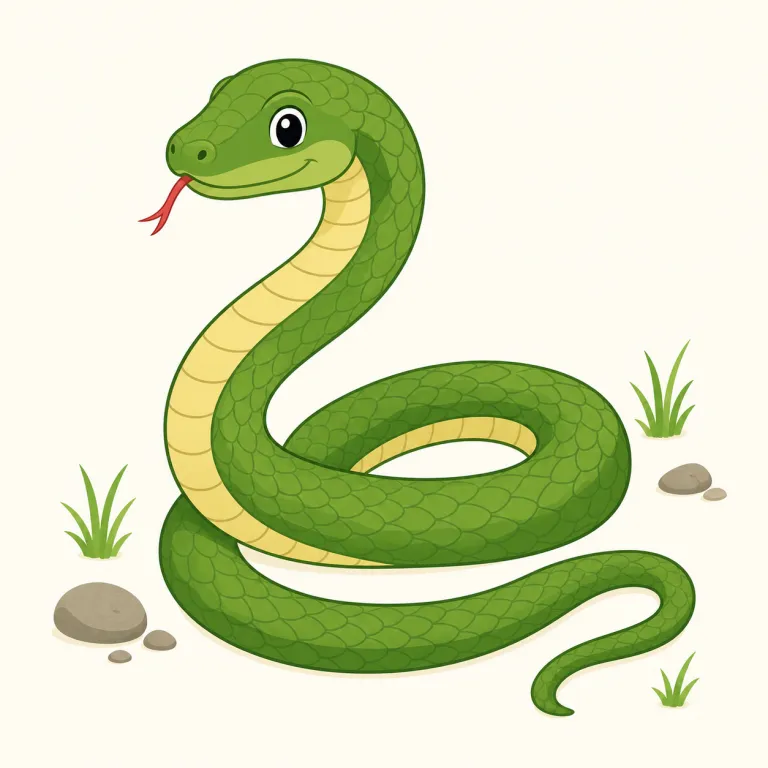
serpent
serpent は英検1級レベルの英単語で、「蛇」という意味があります。発音記号は /ˈsɝːpənt/ です。
蛇
解説 Definition
蛇を指す、やや文学的・格調高い表現の名詞です。聖書やギリシャ神話など、古典的な文学や宗教的なテキストでよく見られます。狡猾で危険な人物や、誘惑する者を比喩的に表す際にも使われます。
A serpent is a snake, especially a large one or one described in a literary or symbolic way. The word often appears in stories, religion, and mythology. It sounds more formal or old-fashioned than the usual word "snake."
覚え方のコツ Memory Tip
まず snake を基準にし、「日常の snake、物語や宗教・文学の serpent」と対比して覚えると定着しやすい語です。serpentine(蛇行した)と同じ仲間だと結びつけると、曲がりくねって進む蛇のイメージが残ります。a serpent in the garden のように、単なる動物名よりも『誘惑・狡猾さ・不気味さ』を帯びやすいのが特徴。reptile は爬虫類全体なので混同しないよう注意します。
Use snake as your base word, then remember serpent as the more literary or old-fashioned version. It connects well with serpentine, which describes a snake-like, winding shape. The word often appears in stories, religion, or dark imagery, not simple everyday talk.
例文
In the Bible, the serpent tempted Eve in the Garden of Eden.
聖書では、蛇がエデンの園でイブを誘惑しました。
The ancient myth described a giant serpent guarding the treasure.
その古代神話には、宝を守る巨大な蛇が描かれていました。
He was warned not to trust the charming but dangerous serpent of a man.
彼は、魅力的だが危険な蛇のような男を信用しないよう警告されました。
serpent の類義語・関連語
類義語
serpent の語源・成り立ち Etymology
serpent は古フランス語を経てラテン語 serpens に由来し、さらに serpere「這う」にさかのぼります。語幹 serp- が核で、serpentine や serpiginous も同根です。意味の中心が「這って進む」なので、蛇そのものを表す語になりました。
Serpent came into English through Old French, from Latin `serpens`, which comes from `serpere`, meaning "to creep" or "crawl." The core idea is something that moves by creeping along the ground. That is why the word became a name for a snake; related words include `serpentine`.
同じレベルの語彙をもっと
英検1級の一覧へ →外部辞書で調べる
この英単語をクイズで覚えよう