二乗
解説 Definition
squaring は、数や量を自分自身に掛ける操作「二乗」を表します。square(二乗する)の動名詞で、同じ形は現在分詞としても使われます。
Squaring is the mathematical operation of multiplying a number or quantity by itself. It is the gerund or present participle of square, as in squaring x to obtain x².
使い方 Usage
使い分け Common distinctions
- 非負の数では、二乗と平方根を求める操作を逆の関係として覚えられます。 For nonnegative numbers, squaring and taking the square root can be remembered as inverse operations.
覚え方のコツ Memory Tip
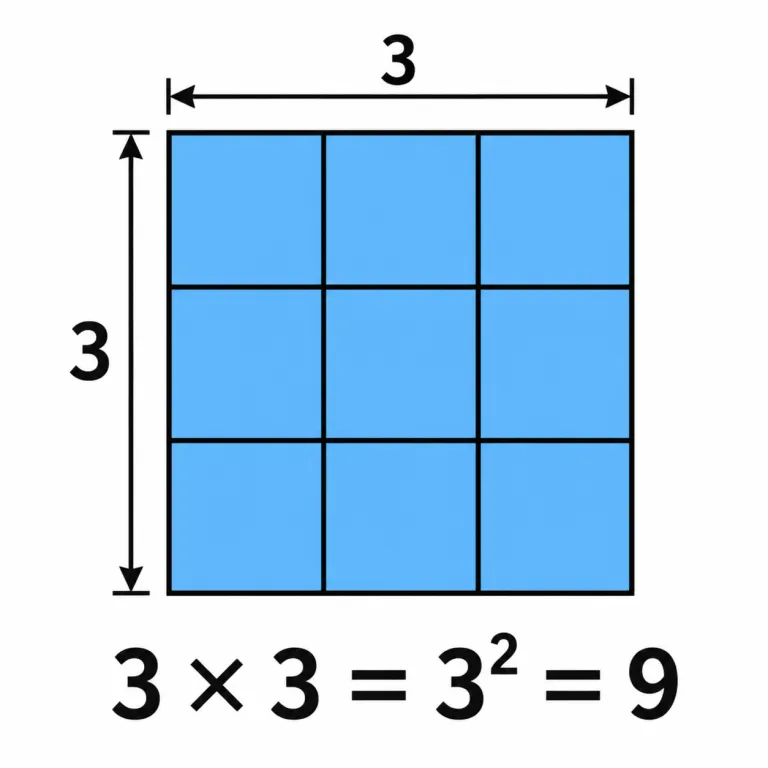
square の語末の無音 e を落として -ing を付けると squaring になります。一辺が x の正方形の面積は x × x、つまり x² なので、正方形と二乗を結び付けましょう。
Drop the final silent e from square before adding -ing to form squaring. A square with side length x has area x × x, or x², linking the shape with the operation.
例文
Squaring a negative number gives a positive result.
負の数を二乗すると、正の結果になります。
The teacher explained squaring with a simple table.
先生は簡単な表を使って二乗を説明しました。
squaring の類義語・関連語
類義語
対義語
派生語
紛らわしい語
squaring の語源・成り立ち Etymology
square(正方形)の動名詞形。ラテン語 exquadrare(四角にする)→古フランス語 esquarre を経て英語に。語根 quadr- は「4」を意味し、quadrant(象限)やsquad(分隊、元は四角い隊形)と同根。数を「自乗する」意味は正方形の面積計算に由来する。
Squaring is formed from square and -ing, with the final silent e of square removed. Square entered English through Old French, from a Latin expression related to exquadrare, meaning to make square. The element quadr- means four, referring to a figure with four sides. The mathematical verb developed from geometry: constructing a square on a length gives an area equal to that length multiplied by itself.
同じレベルの語彙をもっと
外部辞書で調べる
この英単語をクイズで覚えよう