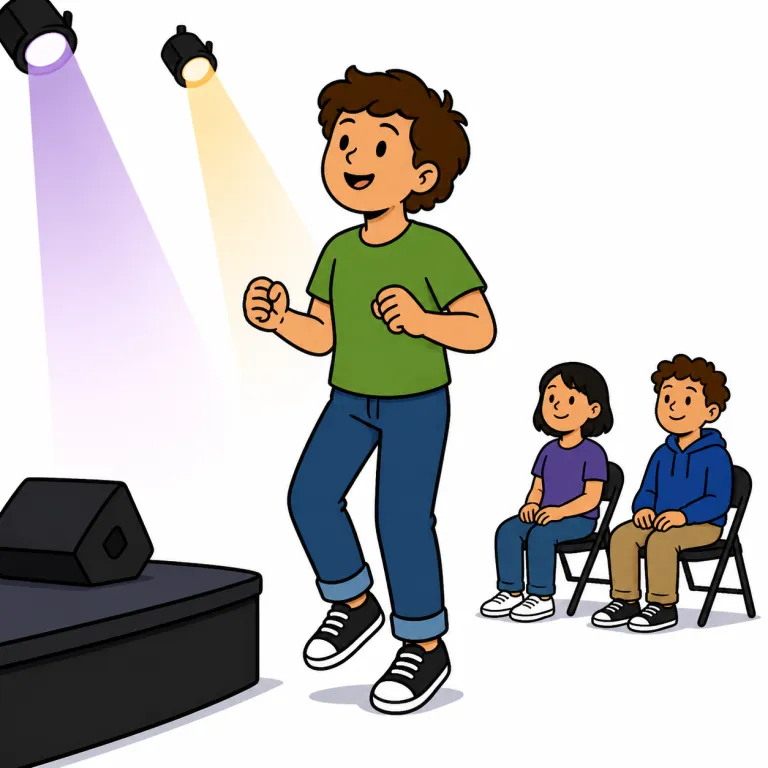
立っている人
解説 Definition
立ったままいる人、特にコンサートやイベントなどで立ったまま観覧する人を指します。
A stander is a person who is standing. This word is uncommon by itself in modern English, and words like "bystander" are more common in everyday use.
覚え方のコツ Memory Tip
stand が分かればほぼそのまま取れる語。-er は teacher, player と同じ「その動作をする人」なので、stander =「立つ人」。sit に対して sitter があるのと同じ発想で覚えると安定する。特に会場・観客の文脈で、seated audience(着席客)と対比して「立ったまま見ている人」を思い浮かべるとよい。なお単独の stander はやや限定的で、bystander など複合語の方が英語では頻出。standard と見間違えないこと。
If you know `stand`, `stander` is easy: `-er` means a person who does the action, like `teacher` or `player`. So a `stander` is simply a person who stands. Be careful not to mix it up with `standard`, which is a completely different word.
例文
The front section was reserved for standers who wanted to dance during the show.
前方の区画は、公演中に踊りたい立ち見客のために確保されていました。
After two hours, even the standers near the stage began looking for a place to rest.
2時間たつと、ステージ近くの立ち見客でさえ休む場所を探し始めました。
The venue separated seated guests from standers to keep the aisles clear.
その会場は通路を空けておくため、着席客と立ち見客を分けました。
stander の語源・成り立ち Etymology
stander は stand「立つ」に「〜する人」を表す接尾辞 -er が付いた語で、stand は古英語 standan にさかのぼります。成り立ちはそのまま『立っている人』で、同じ語根を持つ understand や withstand にも“立つ”感覚が残っています。
Stander is formed from stand + the agent ending -er. Stand comes from Old English standan and has deep Germanic roots meaning "to stand" or "remain upright." The word keeps that simple original sense, and the same root appears in words like withstand and understand.
同じレベルの語彙をもっと
外部辞書で調べる
この英単語をクイズで覚えよう