超伝導体
解説 Definition
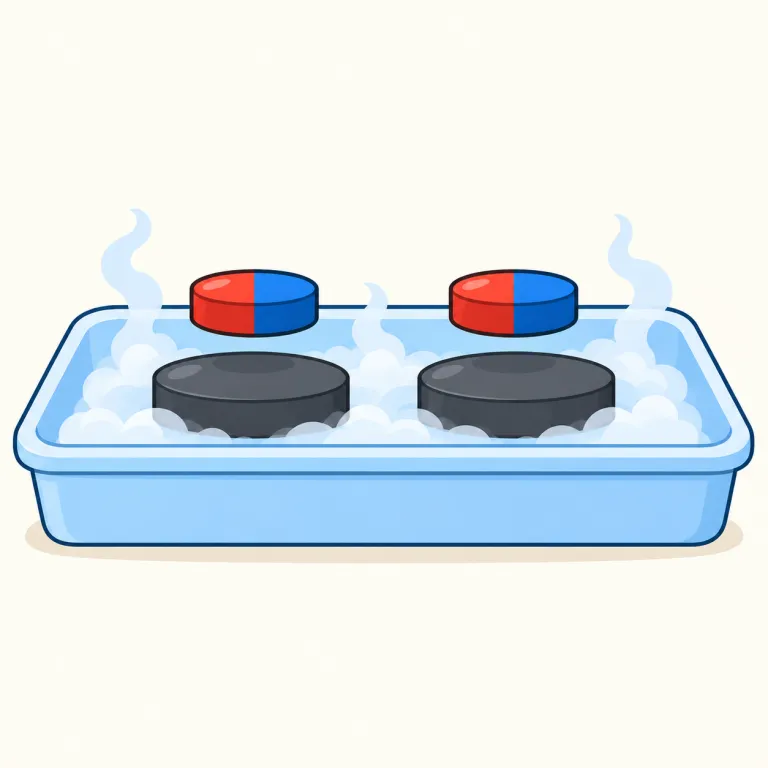
非常に低い温度など特定の条件下で電気抵抗がゼロになり、電流を損失なく流せる物質のこと。強い磁場を生み出せるため、MRI、粒子加速器、量子技術などで重要な材料として研究・利用されている。
Superconductors are materials that can carry electricity with almost no resistance under certain conditions, usually at very low temperatures. They are important in advanced science and technology. The word is mostly used in physics and engineering contexts.
覚え方のコツ Memory Tip
conductor(導体)に super-(超〜)が付いた語。conductor は conduct(導く)から派生した「電気を導くもの」を意味する。super- が付くことで、普通の導体を超えた「超電導体」になる。まずは conductor を押さえ、semiconductor(半導体)と並べて覚えると語彙が定着しやすい。なお、導体と超電導体は連続体ではなく、超電導体は電気抵抗がゼロになる全く異なる性質を持つ点に注意。
Break it into super + conductor. A conductor carries electricity, and semiconductor is a useful comparison word from the same area. So superconductors are the "super" version, which helps the scientific meaning stick in memory.
例文
Superconductors have zero electrical resistance when cooled below a critical temperature.
超伝導体は、臨界温度以下まで冷やすと電気抵抗がゼロになる。
Scientists are working to develop superconductors that function at room temperature.
科学者たちは、室温で機能する超伝導体の開発に取り組んでいる。
Superconductors are used in MRI machines and particle accelerators.
超伝導体は、MRI装置や粒子加速器に使われている。
superconductors の類義語・関連語
紛らわしい語
superconductors の語源・成り立ち Etymology
ラテン語 super(超えて)と conducere(con- 共に + ducere 導く)から。conductor は「導くもの」で、super- が「超越した」を加え「超電導体」に。関連語: conduct(導く)、semiconductor(半導体)。語根 ducere は「導く」が原義で、抵抗なく電気を導く物質を表す。
Superconductors combines super- with conductor. Super- comes from Latin and means "above" or "beyond," while conductor comes from Latin conducere, "to lead together," from the root ducere, "to lead." So the word literally suggests things that conduct in an exceptional way, and it is related to conduct and semiconductor.
同じレベルの語彙をもっと
外部辞書で調べる
この英単語をクイズで覚えよう