袖なしの作業着、簡易エプロン
noun 名詞現代の英国用法で、衣服の上から着る、脇が開いた簡単な袖なし上着を指す。清掃員や販売員の制服、子どもの工作用エプロン、視認性を高める識別着などに使われ、中世の紋章衣とは用途が異なる。
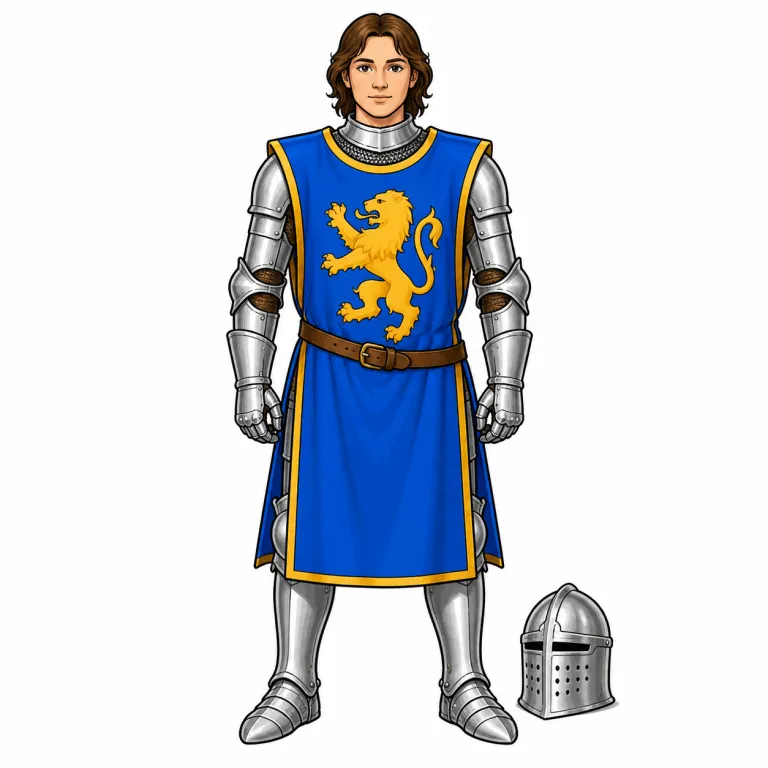
中世ヨーロッパで騎士や伝令が鎧や衣服の上に着た、袖のない外衣を指す。持ち主の家紋や紋章を示すために用いられることが多く、身分や所属を見分ける役割もあった歴史的な衣服名である。
A tabard is a loose, sleeveless outer garment worn over other clothes. It is especially known from history, where it was often worn by heralds or showed a coat of arms. The word is mostly used in historical or ceremonial contexts today.
tabard は単独で訳語を追うより、場面ごと固定すると残りやすい語です。中世の knight や herald が armor の上から着る、袖なしで、前後に家紋を大きく見せる上衣、という1枚絵で記憶します。ポイントは「防寒着」ではなく「誰の陣営かを示す表示用の服」であること。cloak や robe のような一般的な外衣ではなく、coat of arms, wear a tabard, herald's tabard など、紋章・伝令と一緒に思い出すと定着しやすいです。
Picture a medieval herald wearing a sleeveless cloth over armor, with a family symbol clearly shown on the front and back. A tabard is easier to remember with that fixed scene than by translation alone. Link it with phrases like "herald's tabard" or "wear a tabard," not with general clothes like cloak or robe.
Medieval knights wore a tabard over their armor.
中世の騎士は鎧の上に紋章入りの袖なし外衣を着ていた。
The tabard displayed the knight's family crest.
その外衣には騎士の家紋があしらわれていた。
A sleeveless tabard was common in the 13th century.
13世紀には袖なしの外衣が一般的だった。
文脈によって、次の意味でも使われます。
現代の英国用法で、衣服の上から着る、脇が開いた簡単な袖なし上着を指す。清掃員や販売員の制服、子どもの工作用エプロン、視認性を高める識別着などに使われ、中世の紋章衣とは用途が異なる。
tabard は古フランス語 tabart に由来し、さらにゲルマン系の外套語に結びつけられる中世の衣服名です。接頭辞より語全体で覚える語で、異形 tabberd や古語 tappert と比べると、鎧の上から羽織るまとい物が意味の芯だと見えてきます。
Tabard came into English from Old French tabart, a medieval clothing word probably linked to Germanic terms for a coat or outer garment. It was used for a short cloak or sleeveless garment, especially one worn over armor. The meaning stayed close to that idea of an outer covering worn on top of other clothes. Older related forms include tabberd and tappert.
この英単語をクイズで覚えよう