抑える、制御する
verb 動詞感情・髪・炎・インフレなど、扱いにくいものの勢いや乱れを抑えて制御可能にすることを表します。tame inflationやtame one's angerのように目的語を取り、動物を人に慣らす意味から比喩的に広がった用法です。
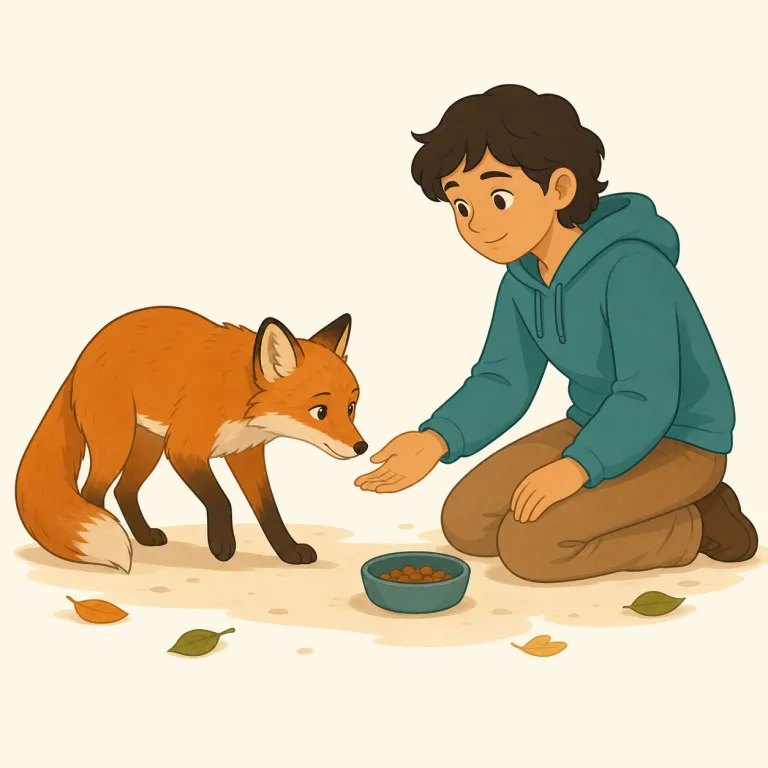
野生動物を人に慣れさせ、恐れたり攻撃したりせず従うようにすること。
To make a wild animal become used to people and willing to obey them. The process reduces its fear or aggression around humans.
tame は形容詞では「飼いならされた」、動詞では「飼いならす」。tame a wild animal や be difficult to tame が典型的で、人を避ける野生動物が訓練を通じて人のそばで落ち着く変化を表す。train は技を教えることにも広く使うが、tame は野性や攻撃性を抑えて従順にする点が中心。
Picture a wild animal gradually becoming calm and comfortable beside a person. Learn 'tame a wild animal' and 'be difficult to tame' as useful verb patterns. Unlike training an animal to perform a trick, this action focuses on reducing its wildness and making it manageable.
It is difficult to tame a wild fox.
野生のキツネを飼いならすのは難しい。
People began to tame wolves thousands of years ago.
人々は数千年前にオオカミを飼いならし始めた。
The trainer slowly tamed the frightened horse.
調教師はおびえた馬をゆっくりと飼いならした。
文脈によって、次の意味でも使われます。
感情・髪・炎・インフレなど、扱いにくいものの勢いや乱れを抑えて制御可能にすることを表します。tame inflationやtame one's angerのように目的語を取り、動物を人に慣らす意味から比喩的に広がった用法です。
作品・試合・催しなどが無難すぎて、期待した刺激や面白さに欠けることを表します。a tame endingやa rather tame performanceのように使われ、穏やかさを否定的に評価する含みがあります。
古英語 tamian(飼いならす)・tam(従順な)に由来し、さらにゲルマン祖語へさかのぼる語です。PIE *demh2-「飼い慣らす・抑える」と結びつけられ、untamed や indomitable も連想でき、「荒さを抑えて従わせる」感覚が tame の芯です。
The verb comes from Old English tamian, meaning 'to make an animal obedient,' alongside tam, meaning 'obedient.' The supplied origin connects it further with the Proto-Indo-European root *demh2-, meaning 'to tame or restrain.'
この英単語をクイズで覚えよう