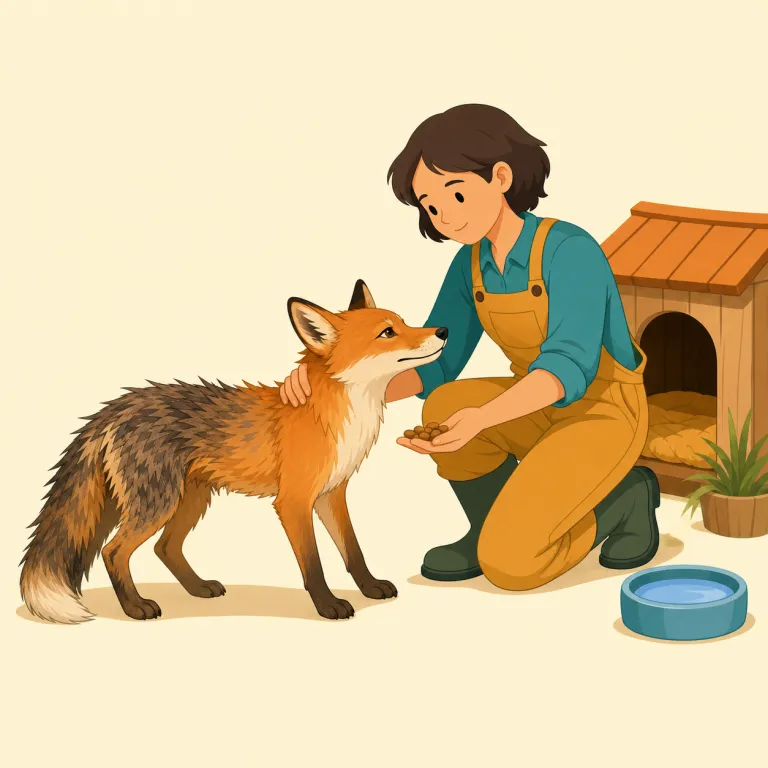
家庭生活になじませる
verb 動詞人を家庭での暮らしや家事に慣れさせ、おとなしい生活を送るようにすることを表す。人を目的語に取るほか、be domesticatedの形で使われることが多く、しばしば冗談めいた響きを伴う。
動植物の集団を、人間の利用や飼育・栽培に適するよう、世代を重ねた選択と繁殖によって変化させること。
To domesticate an animal means to train it over time so it can live with humans and be useful or manageable. The word can also be used more generally for making something less wild, less natural, or more suitable for ordinary life.
`domesticate` はまず `domestic`(家庭の、飼いならされた)を思い出すと定着しやすい語です。中心イメージは「野生のものを家・人の暮らしの側へ入れる」。そこから「飼いならす」「家畜化する」に自然につながります。`domesticate animals` の形で覚えると使いやすく、単に一時的にしつけるより、長く人間社会に順応させる感じが強めです。`tame` は個体をおとなしくする、`domesticate` は種や習性レベルで人に慣らす、という差も意識すると混同しにくいです。
Think of `domestic`, which is connected with the home. `Domesticate` is the verb that means bringing something from the wild into human life. This helps you separate it from `tame`: `tame` is often about one animal, but `domesticate` feels broader and longer-term. Remember the common pair `domesticate animals`.
Humans began to domesticate wild horses thousands of years ago.
人間は数千年前に野生馬を飼いならし始めました。
Domesticated animals have provided food and labor for human civilizations.
飼いならされた動物は人間の文明に食料と労働力を提供してきました。
Domesticating wild species can take many generations.
野生種を飼いならすには多くの世代がかかることがあります。
文脈によって、次の意味でも使われます。
人を家庭での暮らしや家事に慣れさせ、おとなしい生活を送るようにすることを表す。人を目的語に取るほか、be domesticatedの形で使われることが多く、しばしば冗談めいた響きを伴う。
ラテン語 domesticus「家の・家庭の」が語源で、さらに domus「家」にさかのぼります。de- ではなく domest(ic) + -ate と考える語で、本来は「家のものにする」感覚から「動物を飼いならす」の意味になりました。関連語は domestic, domicile。
Domesticate comes from Latin domesticus, meaning "of the home," from domus, "house." In English it was formed from domestic plus the verb ending -ate, with the basic idea of making something belong to the household. From that sense, it developed into the idea of bringing animals under human home life and control. Related words include domestic and domicile.
この英単語をクイズで覚えよう