
under fire
under fire は英検準1級レベルの英熟語で、「非難の的、砲火を浴びて」という意味があります。発音記号は /ˈʌndər ˈfaɪər/ です。
意味一覧 (2件)
非難の的
解説 Definition
「under fire」は批判や攻撃の矢面に立たされている状態を指す表現。特に政治家や企業が報道や世論から激しい非難を受けている時に使われる。銃撃や砲火を比喩にして、厳しい追及にさらされているニュアンスを含む。
If someone or something is under fire, they are being strongly criticized or attacked. This phrase is common in news, politics, business, and public discussion. It can describe verbal criticism, not only physical danger.
覚え方のコツ Memory Tip
まず文字どおりに「fire=砲火・集中攻撃」を思い浮かべると覚えやすいです。under fire は「火の下」ではなく、「砲火を浴びている」イメージから、比喩的に世論・記者・上司などから厳しく責められている状態を表します。ニュースでは a minister under fire, come under fire for remarks の形が頻出。単なる under criticism よりも、攻撃が強く目立つ感じがあります。on fire(絶好調/燃えている)とは逆方向なので混同に注意。
Picture real fire and bullets first: if you are under fire, attacks are coming at you from all sides. That image helps you remember the figurative meaning in news English. It often appears in phrases like "come under fire" and contrasts with "on fire," which is positive.
例文
The mayor came under fire for ignoring the safety report.
市長は安全報告書を無視したことで批判を浴びた。
The company was under fire after customers found serious defects.
顧客が重大な欠陥を見つけたあと、その企業は非難の的になった。
The coach remained calm while under fire from reporters.
その監督は記者たちから激しく批判されている間も冷静だった。
砲火を浴びて
(意味 2)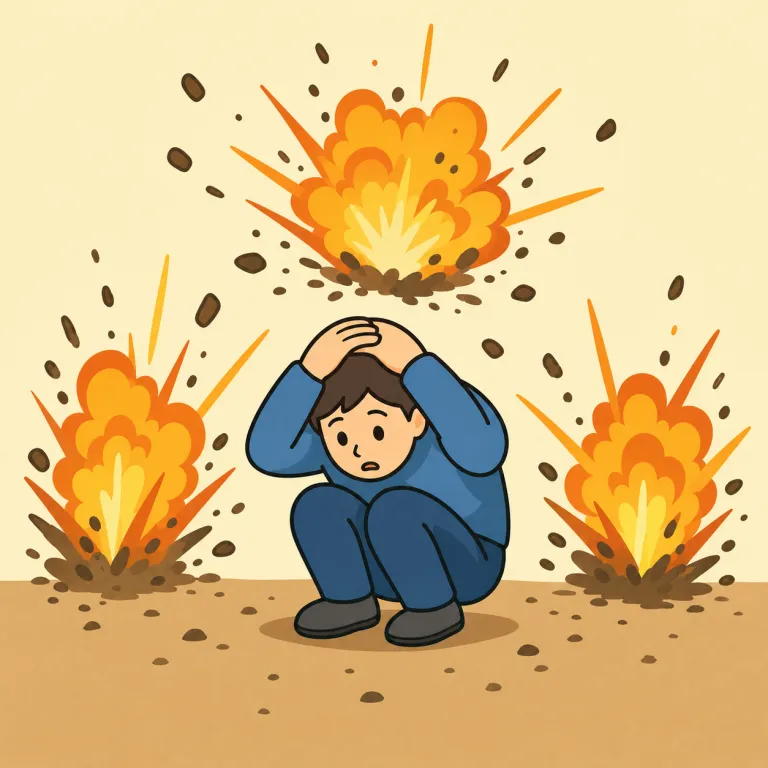
解説 Definition
戦闘や襲撃の場面で、銃撃や砲撃を実際に受けている状態を表す言い方です。軍事報道や戦場の描写でよく使われ、人や部隊、地域などが敵の攻撃にさらされていることを示します。
Exposed to actual gunfire or shelling during a battle or attack. The expression is used for people, military units, vehicles, or places being actively attacked with weapons.
覚え方のコツ Memory Tip
under fire は、兵士や車列の頭上を銃弾や砲弾が飛び、実際の攻撃にさらされている場面をそのまま描いて「砲火を浴びて」と覚えます。ここでの fire は火災ではなく銃撃・砲撃で、under はその攻撃の及ぶ範囲内にいる感覚です。come under fire「砲火を浴び始める」と remain under fire「砲火にさらされ続ける」が頻出。soldiers、village、convoy などを主語にし、戦闘・襲撃・軍事報道の文脈と結び付ければ、比喩的な「批判を浴びる」という別義をこの語義に混ぜずに判断できます。
Picture bullets or shells passing over soldiers who are within the reach of an attack. Here, fire means gunfire or artillery fire rather than flames; phrases such as “come under fire” and “remain under fire” are common.
例文
The soldiers came under fire as they crossed the bridge.
兵士たちは橋を渡るときに砲火を浴びた。
The village remained under fire throughout the night.
その村は一晩中砲火を浴びていた。
Reporters were forced to leave the area when the convoy came under fire.
車列が砲火を浴びたため、記者たちはその地域を離れざるを得なかった。
under fire の語源・成り立ち Etymology
fireは古英語fȳr(火)から。戦場で「砲火の下に」いる状態が原義で、銃撃を浴びている危険な状況を指した。転じて批判・非難を集中的に受ける意に。関連語:firearm(火器)、ceasefire(停戦)。
The phrase comes from fire, from Old English fȳr, meaning "fire." Its earliest sense was literal: being under enemy gunfire or artillery fire in battle. From that idea of being in danger and under attack, it later developed the figurative sense of facing strong criticism or pressure. Related English words include firearm and ceasefire.
同じレベルの語彙をもっと
英検準1級の一覧へ →外部辞書で調べる
この英熟語をクイズで覚えよう