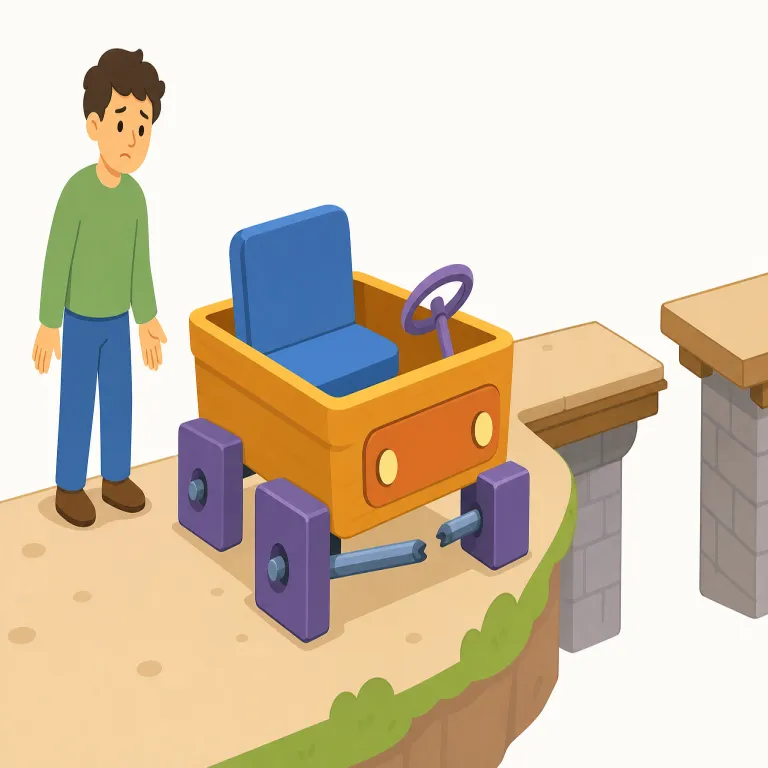
生存能力のない、生育不能な
adjective 形容詞生物学・医学では、細胞、胚、胎児、種子などが生存または正常な発育を続けられないことを表す。計画や事業に成功の見込みがないという比喩的な用法とは異なり、生命体の生存可能性について使われる。
実行不可能な、成功の見込みがない状態。現実的に機能しないまたは実現不可能な計画や事業。
If something is unviable, it cannot work successfully in a practical or long-term way. It may be too costly, unrealistic, or unable to continue. This word is common in business, planning, and policy discussions.
まず viable を「成り立つ・現実に回る」と覚えると入りやすいです。a viable plan, a viable business model のように、計画・事業・解決策に付きやすく、「机上ではなく実際に機能する」感じがあります。un- が付くとその逆で、「回らない」「続かない」「採算が合わない」。impossible のような完全不可能より、現実条件を考えると成功の見込みがない、というニュアンスで捉えると定着します。
Learn viable first in phrases like a viable plan or a viable business. It means something can really work in real life, not just in theory. Add un- and you get the idea of a plan or system that will not work under real conditions.
The business plan was considered unviable.
そのビジネスプランは実行不可能と判断された。
The unviable proposal was rejected by the board.
実行不可能な提案は取締役会に却下された。
Without funding, the project became unviable.
資金がなければ、そのプロジェクトは実行不可能になった。
文脈によって、次の意味でも使われます。
生物学・医学では、細胞、胚、胎児、種子などが生存または正常な発育を続けられないことを表す。計画や事業に成功の見込みがないという比喩的な用法とは異なり、生命体の生存可能性について使われる。
unviable は un-「〜ない」+ viable「生きられる、成り立つ」。viable はフランス語 viable を経てラテン語 vita「生命」に連なり、vital や vitality も同根です。もとは『生き延びられない』で、計画なら『成立しない・実行不可能な』へ自然に広がりました。
Unviable combines un- meaning "not" with viable. Viable came into English through French from Latin vita, meaning "life," the same root seen in vital and vitality. It first suggested something that could not live or survive, and later widened to mean something that cannot work successfully in practice.
この英単語をクイズで覚えよう