感情価、情動価
noun 名詞心理学で、刺激や経験が快いか不快か、肯定的か否定的かという感情上の性質を指します。positive valenceやnegative valenceのように使い、感情の強さではなく、その方向や評価の質を表します。
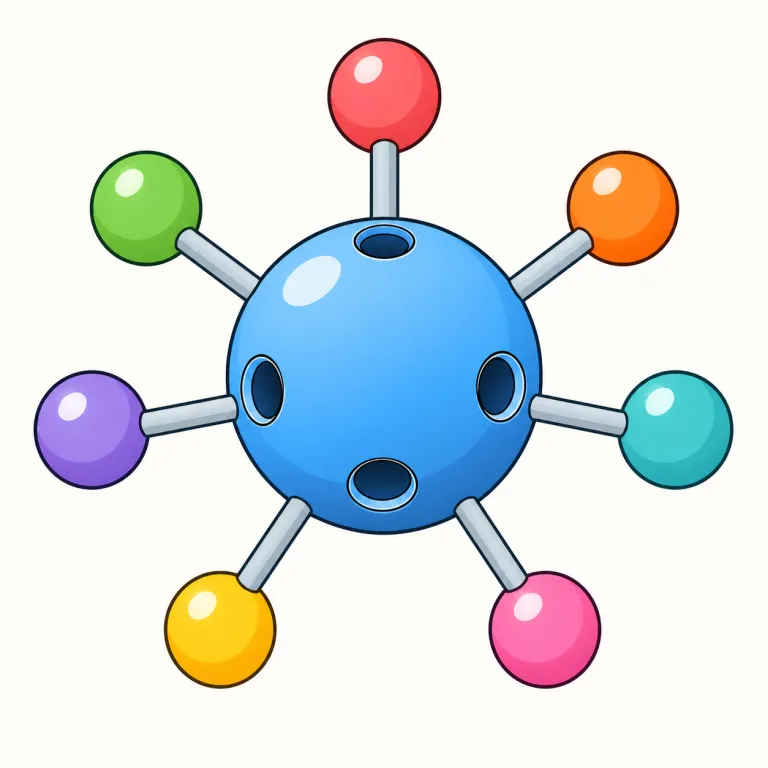
valence はTOEFL 100・IELTS 7.5レベルの英単語で、「価数」という意味があります。発音記号は /ˈveɪləns/ です。
化学において、原子が他の原子と結合する能力。元素の化学的性質を決定する特性。
In chemistry, the number of bonds an atom can form with other atoms. It helps describe how an element combines with others in a compound or molecule. This is a technical term mainly used in science.
化学では「その原子が何本ぶん手をつなげるか」を示す語だと覚えると残りやすいです。`bond` が実際の結合そのものなのに対し、`valence` は“何個まで結合できるか”という能力の話。`valence electron`(価電子)や `valence shell` と一緒に見ると、外側の電子が結合数を左右する語だと結びつきます。`-ence` は名詞語尾なので、動作ではなく性質・能力を表す語。`valency` もほぼ同義で出るので、つづり違いに注意。
In chemistry, think of `valence` as how many hands an atom can use to connect. A `bond` is the actual connection, but `valence` is the atom's connecting power. It is easy to remember with `valence electron` and `valence shell`.
Oxygen typically has a valence of two in chemical compounds.
酸素は化合物では通常2の価数を持つ。
The valence of nitrogen determines how it forms bonds.
窒素の価数は、その結合の仕方を決定する。
Understanding valence is essential for predicting chemical reactions.
価数を理解することは化学反応を予測するために不可欠である。
文脈によって、次の意味でも使われます。
心理学で、刺激や経験が快いか不快か、肯定的か否定的かという感情上の性質を指します。positive valenceやnegative valenceのように使い、感情の強さではなく、その方向や評価の質を表します。
言語学で、動詞などの語が文中で必要とする、または結び付けられる要素の数や種類を指します。たとえばgiveは通常、与える人・物・受け手を伴い、このような項との結合能力を表す専門用語です。
valence はフランス語の学術語を通じ、もとはラテン語 valere「強い・効力がある」に由来する語です。化学の「価数」は、原子がどれだけ結びつく“力”を持つかという発想だと考えると意味がつかみやすいです。関連語は valid, value。
Valence came into English through French scientific language and goes back to Latin valere, meaning "to be strong" or "to have power." It is related to English words like valid and value. In science, the idea developed into the "combining power" of an atom or element.
この英単語をクイズで覚えよう