無効化、取消し
noun 名詞契約、小切手、取引などを無効にし、その法的・実務的な効力を失わせることを指す。the voiding of a contractなどの形で使われ、単なる中止よりも、成立していた効力を取り消す点に重点がある。
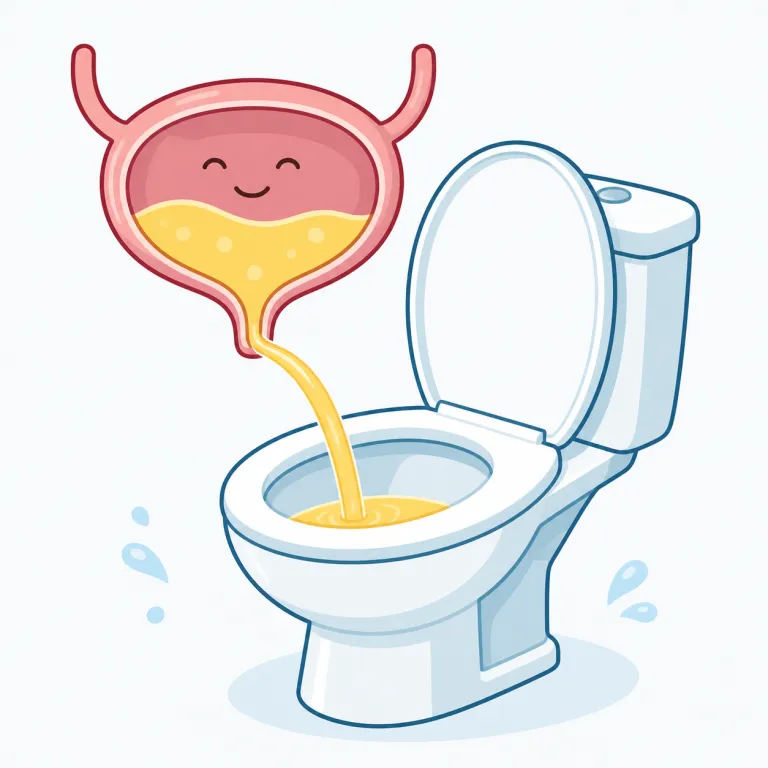
医学で、膀胱にたまった尿を体外に出すこと、つまり排尿を指す語。症状の説明や診療記録でよく使われ、回数、痛み、出にくさなどを表す文脈で用いられる。日常会話よりも医療現場での使用が中心である。
Voiding means emptying liquid waste from the body by urinating. It is mainly used in medical or formal contexts when talking about bladder function and health. In everyday English, people usually say urination or simply passing urine.
void を「空にする」と押さえると覚えやすいです。avoid, devoid, void などの仲間でも「中身がない・空にする」感覚が共通しており、voiding は「膀胱を空にすること」→「排尿」とつながります。日常的な urination より医療記録で使われやすく、frequent voiding(頻尿気味), painful voiding(排尿時痛), voiding difficulty(排尿困難)のように症状説明とセットで見ると定着します。法律の void「無効」と混同しやすいので、医学では『空にする動作』に意識を寄せるのがコツです。
In medical English, `voiding` is a special word you often see near `bladder`, `frequency`, or `difficulty`. Think of it as the chart or clinic word, not the everyday word. If you remember `voiding difficulty` and `frequent voiding`, the meaning becomes easier to recognize.
The patient reported difficulty voiding and was referred to a urologist.
患者は排尿しにくいと訴え、泌尿器科に紹介された。
After the bladder procedure, the doctor asked whether passing urine, or voiding, was painful.
膀胱の処置後、医師は尿を出す際、つまり排尿時に痛みがあるか尋ねた。
The nurse noted the patient's voiding frequency—the number of times they passed urine—on the medical chart.
看護師は、患者が尿を出した回数、つまり排尿回数を診療記録に記載した。
文脈によって、次の意味でも使われます。
契約、小切手、取引などを無効にし、その法的・実務的な効力を失わせることを指す。the voiding of a contractなどの形で使われ、単なる中止よりも、成立していた効力を取り消す点に重点がある。
void + -ing で、void は古フランス語 vuide「空の・中身のない」に由来します。devoid や avoid も同根で、voiding は“中を空にすること”が核なので、法律では『無効化』、医学では『排出して空にする』から『排尿』になります。
This word is built from English void and the suffix -ing. Void came through Old French from a word meaning "empty" or "unfilled." The central idea is "making empty," which later developed into uses like making something legally empty of force, or emptying the body.
この英単語をクイズで覚えよう