偶然〜する、たまたま起こる
verb 動詞意図や計画によらず、ある出来事が起こったり、偶然ある行動をしたりすることを表す。主に chance to do や it chanced that ... の構文で使われ、現代の日常語では happen to do よりやや文語的である。
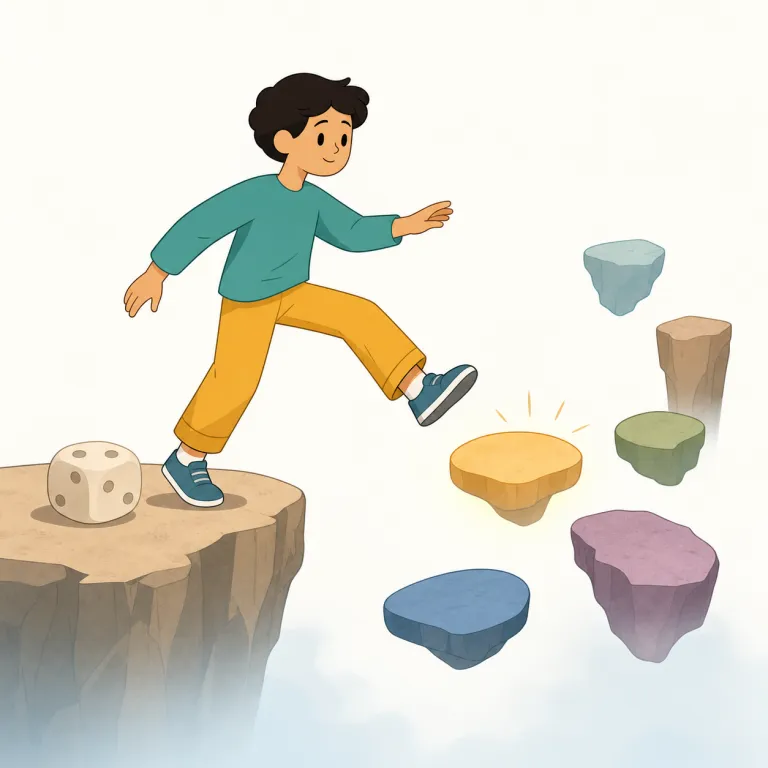
成功する保証はないが、うまくいく可能性に賭けてやってみることを表す。危険や不確実さを承知のうえで行動するニュアンスがあり、十分な裏づけがなくても運に任せて試す、だめもとで挑戦するといった場面で使われる。
Chancing means trying something even though the result is uncertain, often by depending on luck. It suggests taking a risk or deciding to do something without being sure it will succeed.
chance を知っていれば、「結果は読めないが、とにかく賭けてやってみる」という核がつかめます。単なる try より根拠が薄く、risking に近い場面でも、危険そのものより「当たるかもしれないから試す」気持ちが前に出る語です。take a chance や chance it と結びつけると覚えやすく、十分に準備して挑戦するというより、雨が降りそうでも傘なしで出るような“だめもと感”を連想すると定着します。
Build it from `chance`. `Chancing` has the feeling of `take a chance` or `chance it`, so it is closer to "just try and see" than to a careful, planned attempt. Think of going out without an umbrella because maybe the rain will stop.
He was chancing his luck by going without insurance.
彼は保険に入らず、運任せにしていた。
She was chancing it by applying without the required experience.
彼女は必要な経験がなかったが、だめもとで応募した。
They were chancing the weather for the outdoor event.
彼らは天気が崩れないことに賭けて、屋外イベントを開こうとしていた。
文脈によって、次の意味でも使われます。
意図や計画によらず、ある出来事が起こったり、偶然ある行動をしたりすることを表す。主に chance to do や it chanced that ... の構文で使われ、現代の日常語では happen to do よりやや文語的である。
chancing は chance に動作名の -ing が付いた語で、chance はフランス語 cheance、さらにラテン語 cadere「落ちる」へさかのぼります。もとは「さいの目がどう落ちるか」の発想で、運任せの感じが出ます。cadence や accident も同じ cad- 系です。
Chancing is built from chance and the ending -ing. Chance came through French from Latin cadere, meaning to fall, originally linked to how dice fall. That is why the word developed the sense of something happening by luck; related words from the same root include accident and cadence.
この英単語をクイズで覚えよう