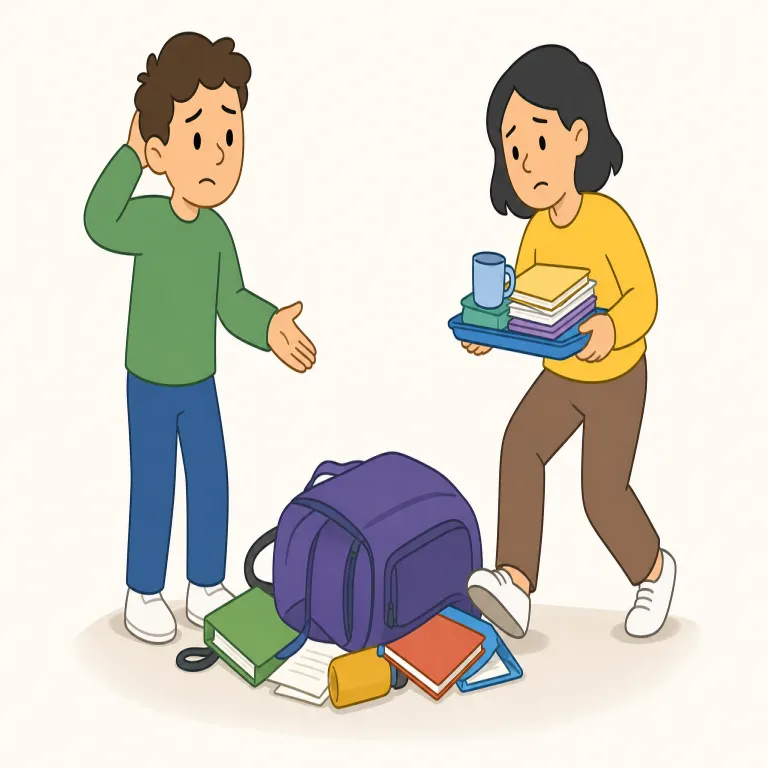
inconveniencing
inconveniencing はTOEIC 990・TOEFL 100・IELTS 7.5レベルの英単語で、「不便をかけている、迷惑をかけている」という意味があります。発音記号は /ˌɪnkənˈviːniənsɪŋ/ です。
不便をかけている、迷惑をかけている
解説 Definition
inconvenience「不便をかける」の現在分詞・動名詞形で、人に手間をかけたり予定を乱したりして、不便や迷惑を与えることを表します。be 動詞と組み合わせると「不便をかけている」という進行形になります。
Inconveniencing means causing trouble, difficulty, or extra effort for someone. It is often used in polite or formal language when talking about making things less easy or comfortable for others. The word appears often in apologies, service messages, and formal communication.
使い方 Usage
- be inconveniencing+人で「人に不便をかけている」。迷惑を受ける人を目的語にします。 Use be inconveniencing + a person to describe causing them trouble or extra effort. The person affected is the object.
- I apologize for inconveniencing you. は「ご不便をおかけして申し訳ありません」。for の後ろでは動名詞として使います。 I apologize for inconveniencing you is a polite apology. After for, inconveniencing functions as a gerund.
使い分け Common distinctions
- We apologize for any inconvenience. の inconvenience は名詞。inconveniencing you は、動詞の形で相手への迷惑を表します。 In We apologize for any inconvenience, inconvenience is a noun. Inconveniencing you uses the verb form to describe causing someone trouble.
覚え方のコツ Memory Tip
convenient「都合がよい」から inconvenient「都合が悪い」、inconvenience「不便をかける」へと結びつけましょう。動詞 inconvenience に -ing が付いた形です。
Start with convenient, then connect it with inconvenient and the verb inconvenience. Inconveniencing is the -ing form of that verb.
例文
The construction is inconveniencing many residents.
その工事は多くの住民に不便をかけている。
The delay was inconveniencing travelers.
その遅延は旅行者に迷惑をかけていた。
I apologize for inconveniencing you.
ご不便をおかけして申し訳ありません。
inconveniencing の類義語・関連語
類義語
派生語
inconveniencing の語源・成り立ち Etymology
inconveniencing は in-「否定」+ convenience + -ing から成り、核の convene / convenient はラテン語 convenire「一緒に来る・都合が合う」に由来します。つまり「物事がうまくかみ合わず不便を生じさせる」が原感覚で、convenient, convention が同根です。
Inconveniencing is formed from in-, meaning "not," plus convenience, with the verb ending -ing. Convenience comes from Latin convenire, meaning "to come together" or "to fit well." From that idea of things fitting together smoothly, the word developed the sense of causing difficulty when things do not fit or work easily.
同じレベルの語彙をもっと
TOEIC 990の一覧へ →外部辞書で調べる
この英単語をクイズで覚えよう