when
when は英検7級レベルの英単語で、「いつ、〜するとき」という意味があります。発音記号は /wen/ です。
意味一覧 (2件)
いつ
解説 Definition
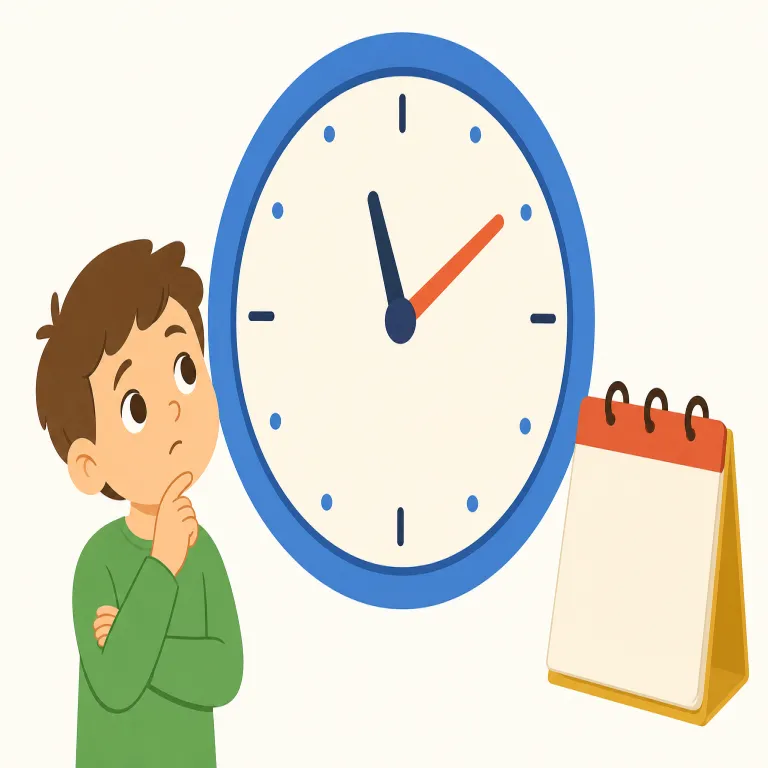
時をたずねるときに使う基本語で、「いつ」という意味を表す。疑問文だけでなく、文脈によっては「〜するとき」「〜したとき」のように接続詞的にも働く。日常会話から文章まで非常に頻度が高く、時期・瞬間・条件に近い意味まで広く担う重要語である。
When is used to ask about time. It helps you ask at what time, on what day, or in what situation something happens. It can also connect two parts of a sentence to show the time of an event.
覚え方のコツ Memory Tip
wh-で始まる疑問語の仲間として並べて覚えると定着しやすい。what は「何」、where は「どこ」、when は「いつ」と、尋ねる情報の種類で整理する。会話では When is the meeting? のように予定や時刻を聞く形が基本で、Since when? のような短い形も頻出。さらに When I arrived, ... のように「〜するとき/〜したとき」の接続詞にもなるのが重要。if が条件寄りなのに対し、when は時点や場面を強く意識させる語だと押さえると混同しにくい。
Remember `when` as the WH-word for time: `what` for things, `where` for place, `when` for time. It is common in questions like `When is the meeting?`, but it also connects ideas in sentences like `When I arrived, ...`. This helps you see that `when` is about a time point or situation, not a condition like `if`.
例文
When is your birthday?
あなたの誕生日はいつですか。
When do you go home?
あなたはいつ家に帰りますか。
When does school start?
学校はいつ始まりますか。
〜するとき
(意味 2)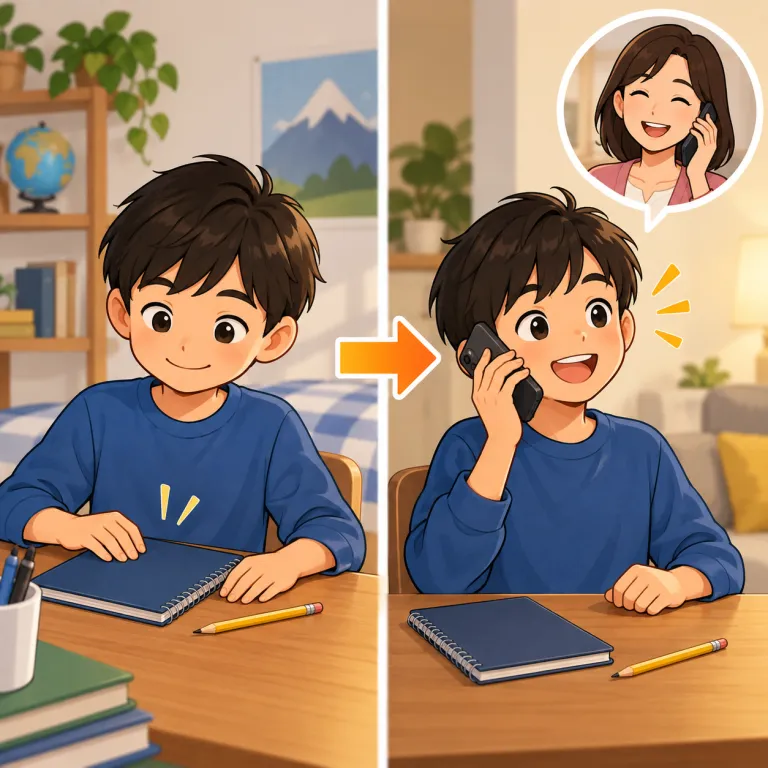
解説 Definition
二つの出来事や状態を時間的に結びつけて、「あることが起こるときに別のことが起こる」という関係を表す接続詞です。特定の一回の場面にも、習慣的にそうなる場面にも使えます。
Connects two events by showing that one happens at the time of the other. It can describe a single occasion or something that happens regularly.
例文
When you finish your homework, call me.
宿題が終わったら、私に電話して。
I was sleeping when the phone rang.
電話が鳴ったとき、私は寝ていた。
When you cross the street, look both ways.
道を渡るときは、左右を見なさい。
when の類義語・関連語
when の語源・成り立ち Etymology
古英語 hwænne に由来し、時間を問う働きをもつ古い語。wh- 疑問語の一つで、what、where、who などと同じ系列に属する。関係副詞や接続詞的用法へも発達し、現代英語で非常に広く使われる。
From Old English hwænne, an old word used to ask about time. It belongs to the same wh- group as what, where, and who. From that original question use, it also developed relative and linking uses in later English.
同じレベルの語彙をもっと
英検7級の一覧へ →外部辞書で調べる
この英単語をクイズで覚えよう