演目、曲
noun 名詞コンサート、ミュージカル、舞台などで披露される一つの歌、踊り、演技を指す。the final number や a dance number のように使われ、数量や識別番号ではなく、プログラムを構成する個々の演目を表す。
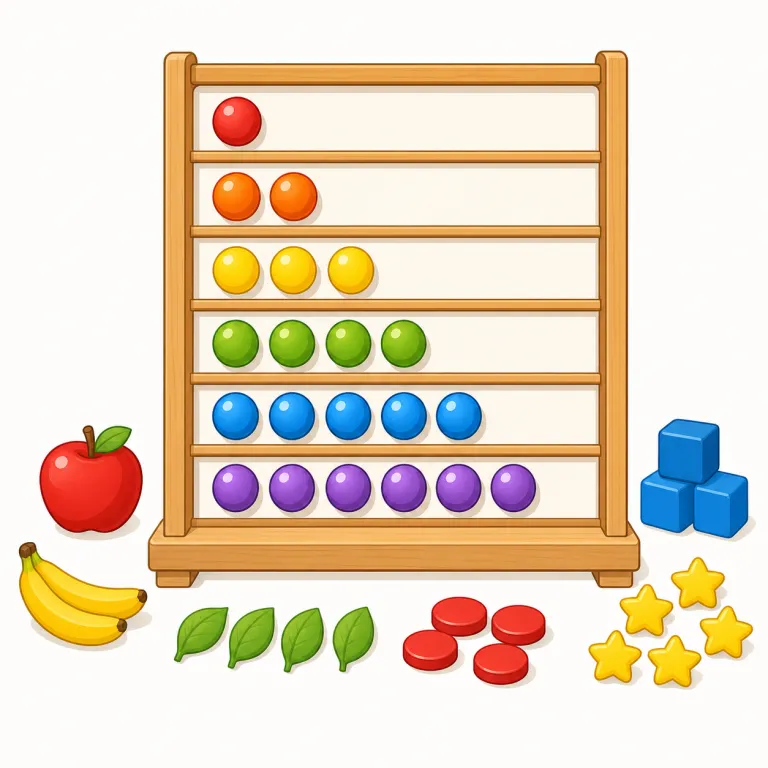
number は英検5級・英検7級レベルの英単語で、「数、番号」という意味があります。発音記号は /ˈnʌmbɚ/ です。
物の量や個数を表す「数」という意味と、人や物を識別するための「番号」という意味をもつ基本語。文脈によって、人数・数量・順位を示す場合にも、電話番号や部屋番号のような識別情報を指す場合にも使われ、日常会話から数学まで広く用いられる。
A number is a symbol or word used to count, measure, or show an amount. It can also mean a figure used in math or a position in an order, depending on the context.
まず「countできるものを数えた結果」が number。そこから、数で人や物を区別する「番号」にも広がると覚えると一本につながります。number of people / the number of students は「人数・総数」、phone number / room number は「識別用の番号」。countable 名詞には number、water など数えにくい量には amount を使う対比も一緒に覚えると定着しやすいです。a large number of、a number of (= several) も頻出なのでセットで。
Start with counting: a `number` is the result when you count things. That is why it can mean both an amount and a label, as in `the number of students` and `phone number`. Remember the contrast too: `number` is for countable things, while `amount` is for uncountable ones.
The number is five.
その数は5です。
My number is ten.
私の番号は10です。
This number is big.
この数は大きいです。
この語をはじめて出題された 39人 のうち 38人 が正解しました(97%)。
えいたんごクイズの回答から集計した独自データです。1人につき最初に出題されたときの1回だけを数えており、復習や2回目以降の回答、「わからない」と時間切れは含みません。 集計時点は 2026年9月19日 です。
文脈によって、次の意味でも使われます。
コンサート、ミュージカル、舞台などで披露される一つの歌、踊り、演技を指す。the final number や a dance number のように使われ、数量や識別番号ではなく、プログラムを構成する個々の演目を表す。
文法で、単数・複数などの区別を表す概念を指す。number agreement のように、主語と動詞などの形を一致させる説明で使われ、物の数量そのものではなく、語の文法形式に関する分類を意味する。
number は古フランス語 nombre、さらにラテン語 numerus「数」にさかのぼります。語根 numer- は「数えること」そのものを示すので、number が「数」だけでなく「番号」も表すのは、数で印を付ける発想からです。numeral や enumerate も同根です。
"Number" came into English through Old French "nombre," from Latin "numerus," meaning "a count" or "a quantity." Its root is about counting, so the word later also came to mean a figure used as a label, like a house number. Related English words include "numeral" and "enumerate."
この英単語をクイズで覚えよう