have
have は英検7級レベルの英単語で、「持つ、経験する、食べる、飲む、ある、いる」という意味があります。発音記号は /hæv/ です。
意味一覧 (4件)
持つ
解説 Definition
英語で最も基本的な動詞の一つで、「持つ・備えている」を中心に、人や物の所有、家族や予定の有無、経験、病気の状態、飲食など幅広く表す。文脈によって意味が大きく変わるため、後ろに来る名詞や表現をセットで覚えることが重要な語である。
"Have" is a verb that usually means to own, hold, receive, experience, or include something. It is one of the most common verbs in English and is also used as a helping verb to make perfect tenses. Because of its many uses, its exact meaning depends strongly on context.
覚え方のコツ Memory Tip
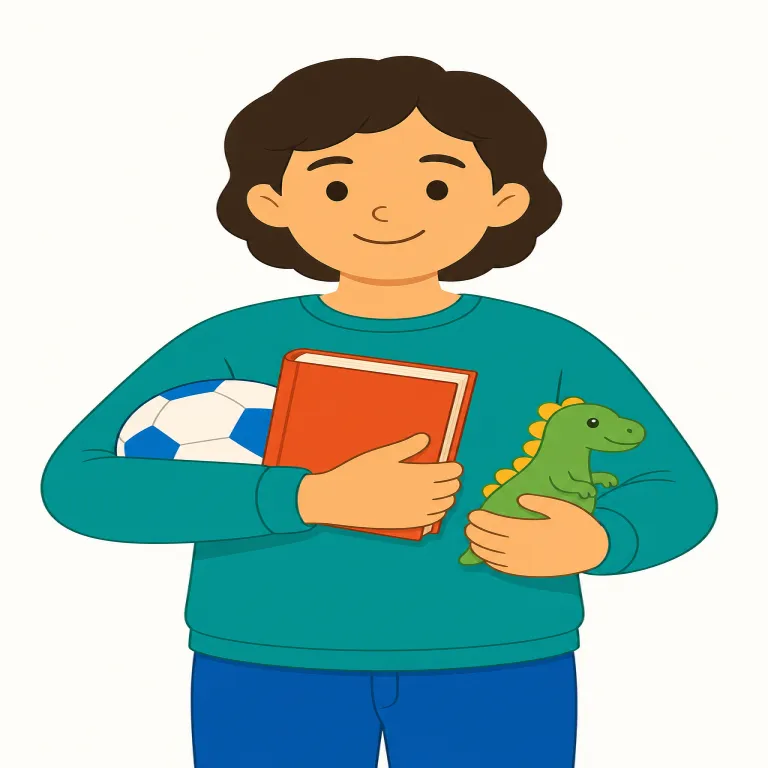
核は「手元にある」。ここから have a car(所有), have a sister(身近な関係がある), have time(時間がある), have breakfast / have a drink(飲食する), have a cold(病気を抱えている), have an idea(考えがある)へ広がると覚えると整理しやすいです。つまり have + 名詞 で「それを自分の側に持つ・抱える」が基本。所有だけの own よりずっと広く、後ろの名詞ごとセットで覚えるのが近道です。
The core image of "have" is "keep with you" or "hold on your side." That is why it works with many nouns: "have a car," "have time," "have breakfast," "have a cold." Learn it in chunks with the noun after it, not only as "own."
例文
I have a red pen.
私は赤いペンを持っています。
She has a small bag.
彼女は小さなかばんを持っています。
We have two bikes.
私たちは自転車を2台持っています。
経験する
(意味 2)
解説 Definition
出来事・感情・時間などを実際に経験するときの have。夢を見る、楽しい時を過ごす、困難な時期を経験するのように、何かを身に受ける場面で使う。物を所有する意味ではなく、その出来事が自分の身に起こるという感覚が中心で、日常的で非常に広い言い方。
To experience an event, feeling, or period of time personally. This common verb is used with expressions for dreams, enjoyable occasions, and difficult periods.
例文
I had a strange dream last night.
昨夜、私は変な夢を見た。
She had a hard time at school.
彼女は学校でつらい思いをした。
We had a great time at the festival.
私たちは祭りでとても楽しい時間を過ごした。
食べる、飲む
(意味 3)
解説 Definition
食事や飲み物を口にする意味の have。日常会話では have breakfast, have lunch, have some coffee のように非常によく使われ、何を食べるか飲むかをやわらかく述べる。命令形や提案でも自然に使え、eat や drink より少し幅広く無難。
To eat food or drink a beverage. This common everyday verb is used with meals, foods, and drinks, including in invitations and offers.
例文
Let's have lunch together.
一緒に昼食を食べよう。
She had a cup of tea after work.
彼女は仕事のあとでお茶を一杯飲んだ。
I usually have toast for breakfast.
私はたいてい朝食にトーストを食べる。
ある、いる
(意味 4)
解説 Definition
病気・特徴・家族などが自分や物に備わっていることを表す have。She has a cold, The car has four doors, I have two sisters のように、状態・属性・身内の存在を述べるときに使う。手で持つという意味ではなく、ある・いるに近い。
To be in a particular condition, possess a characteristic, or be related to someone as a family member. This verb links a person or thing with a condition, feature, or family relationship that applies to them.
例文
She has a cold today.
彼女は今日、風邪をひいている。
The car has four doors.
その車にはドアが四つある。
I have two brothers.
私には兄弟が二人いる。
have の類義語・関連語
have を含む表現
句動詞・イディオムなど 3 件。クリックで各表現の詳細へ。
have の語源・成り立ち Etymology
古英語 habban「持つ、保つ」に由来し、さらに古いゲルマン系の語根へさかのぼる。もとの「手元に保有する」という意味から発展し、所有だけでなく、経験する・食べる・予定があるなど、現代英語では非常に広い基本動詞になった。
This word comes from Old English "habban," meaning "to hold" or "to possess," and it goes back to an older Germanic root. The original idea was keeping something in your hands or under your control. Over time, it became a very wide basic verb in English, used not only for possession but also for experience, actions, and grammar.
同じレベルの語彙をもっと
英検7級の一覧へ →外部辞書で調べる
この英単語をクイズで覚えよう