
go
go は英検5級・英検6級レベルの英単語で、「行く、なる、進む、うまくいく」という意味があります。発音記号は /ɡoʊ/ です。
意味一覧 (3件)
行く
解説 Definition
ある場所から別の場所へ移動することを表す基本動詞。「行く」「進む」という意味で、日常会話で最も頻繁に使われる動詞の一つ。
Go means to move or travel from one place to another. It is one of the most common verbs in English and is used for movement, activities, and changes of state. Its meaning often depends on the phrase that follows it.
覚え方のコツ Memory Tip
まず「話し手のいる場所から離れていく動き」が核。come が「こちらへ来る」なら、go はその反対とセットで覚えると定着します。go to school, go home, go out, go on のように後ろの語で場面が変わり、「行く」だけでなく「外出する・続く・進行する」まで広がる超基本動詞です。さらに How did it go? では「物事が進む、うまくいく」の意味にもなるので、単なる移動語ではないと意識すると記憶に残ります。過去形 went、過去分詞 gone の不規則変化もまとめて固定すると実戦で迷いません。
Remember it with its opposite, "come": "go" moves away, "come" moves toward. Then store it in common chunks like "go home," "go out," and "go on," because the meaning changes with the next word. Also fix the irregular forms together: "go - went - gone."
例文
I go to the park.
私は公園に行きます。
We go to school.
私たちは学校に行きます。
They go home after school.
彼らは放課後に家に帰ります。
えいたんごクイズでの正答率
この語をはじめて出題された 56人 のうち 56人 が正解しました(100%)。
えいたんごクイズの回答から集計した独自データです。1人につき最初に出題されたときの1回だけを数えており、復習や2回目以降の回答、「わからない」と時間切れは含みません。 集計時点は 2026年9月19日 です。
なる
(意味 2)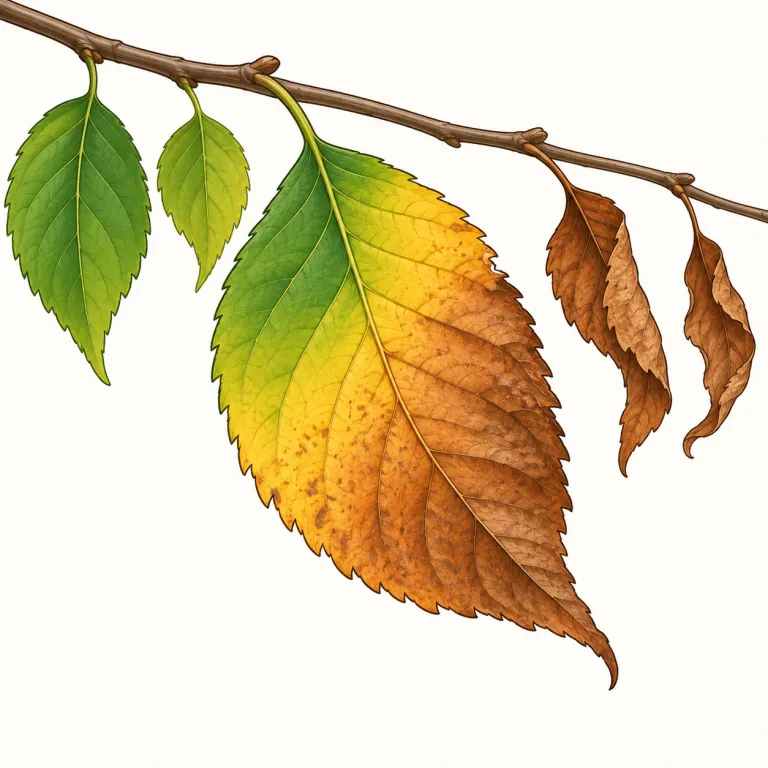
解説 Definition
形容詞や色、状態を表す語と結びつき、何かが別の状態へ変化することを表す。人の顔色、食べ物の状態、天候や周囲の様子などについて、意図的に変えるのではなく、結果としてそうなったという自然な変化を述べるときに使う。
To become different in condition or appearance, often through an unplanned change. It is followed by an adjective or color word describing the resulting state.
覚え方のコツ Memory Tip
go「なる」は、何かが別の状態へ進んでいく、と考えると覚えやすいです。go to school のような場所への移動ではなく、go brown, go red, go bad のように、色や状態のほうへ移るイメージです。become より日常的で、自然にそう変わった感じが強い語。The leaves go brown. は「葉が茶色の状態へ行く」から「茶色になる」と覚えると定着します。
Imagine something moving into a new state: go brown means entering a brown-colored state. Learn go brown, go red, and go bad together, keeping the focus on changes in color or condition.
例文
The leaves go brown in autumn.
秋になると葉は茶色になる。
His face went red.
彼の顔は赤くなった。
Milk goes bad quickly in summer.
牛乳は夏にはすぐ悪くなる。
進む、うまくいく
(意味 3)
解説 Definition
計画、会議、仕事、試合などがある流れに沿って進行することを表す。go well や go badly の形では、物事が順調に進むか、結果や調子がどうかを広く述べられる。How did it go? のように経過や出来をたずねる言い方でも非常によく使う。
To develop or proceed in a particular way, especially when describing an event, task, or plan. It is often used with words indicating success or difficulty, or in questions asking how something turned out.
例文
How did the meeting go?
会議はどう進みましたか。
Everything is going well so far.
今のところすべて順調に進んでいる。
Things didn't go as planned.
物事は計画どおりには進まなかった。
go の類義語・関連語
類義語
対義語
派生語
go の語源・成り立ち Etymology
古英語 gān(歩く、進む)に由来するゲルマン系の基本語。印欧祖語 *ǵʰeh₁-(去る、離れる)が語源で、英語最古の動詞の一つ。過去形 went は別語源の wend(向かう)から借用された珍しい補充形。関連語:gang, gone。
"Go" comes from Old English "gan," meaning to walk or move forward, and it goes back to an ancient Indo-European root about leaving or going away. It is one of the oldest basic verbs in English. Its past form "went" is unusual because it was borrowed from a different verb, "wend."
同じレベルの語彙をもっと
英検5級の一覧へ →外部辞書で調べる
この英単語をクイズで覚えよう