前兆、兆し
noun 名詞将来に起こることを示すと解釈される兆候や前兆そのものを指す。an augury of success のように of を伴うことが多く、成功や災いを予示するしるしを表す文語的な用法である。
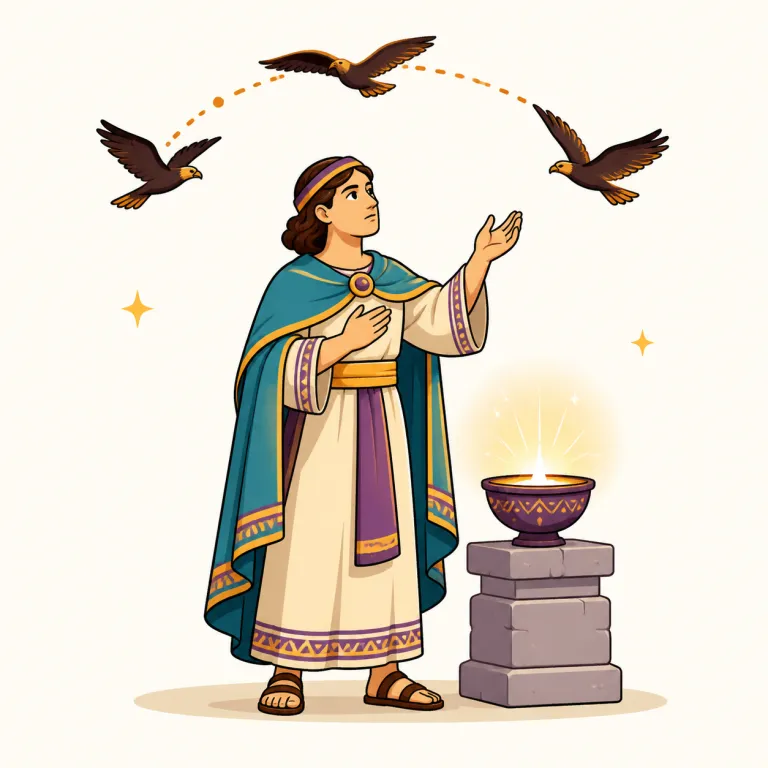
将来の出来事を予測する行為、占い。古代から行われてきた儀式的な予言や占卜のことを指します。
Augury means a sign that seems to show what will happen in the future, especially whether it will be good or bad. It can also refer to the ancient practice of predicting events from signs. In modern English, it is mostly a literary or formal word.
augury は日常会話の軽い「占い」より、古風で儀式的な「吉凶を読む占い」として覚えると残りやすいです。fortune-telling より硬く、鳥の飛び方や異変から神意を読むような場面に合う語。語形は augur(占い師・占う)とセットで見ると定着しやすい。an augury of disaster のような「前触れ」の用法もありますが、ここではまず、前触れそのものではなく、その前触れを読んで未来を占う行為だと切り分けると混同しにくいです。
Connect it with `augur`, the old Roman religious figure who read signs from birds and nature. That makes `augury` feel older and more ceremonial than everyday words like `fortune-telling`. It is easier to remember if you imagine priests reading signs for the future.
Ancient civilizations used augury to predict the future.
古代文明では未来を予測するために占いを行った。
The priest performed augury by observing bird behavior.
司祭は鳥の行動を観察することで占いを行った。
Modern science dismisses augury as superstition.
現代科学は占いを迷信として退ける。
文脈によって、次の意味でも使われます。
将来に起こることを示すと解釈される兆候や前兆そのものを指す。an augury of success のように of を伴うことが多く、成功や災いを予示するしるしを表す文語的な用法である。
augury はラテン語 augurium(鳥の飛び方などから吉凶を占うこと)に由来し、中心にあるのは augur(占い師)です。古代ローマで鳥の動きなどを観察して神意を読む儀式に関わる語なので、この行の「占い」という意味に直結します。そこから後に、占いで読まれるしるしとして「予兆・前触れ」の意味にも広がりました。
Augury comes from Latin augurium, the act of interpreting signs, especially from the flight of birds. It is linked to augur, the name for a Roman religious official who read such signs. From that specific practice, the meaning widened to any sign, omen, or warning of what may come. A related English word is inaugural, which reflects old Roman ideas of approval through signs.
この英単語をクイズで覚えよう