bear the brunt of
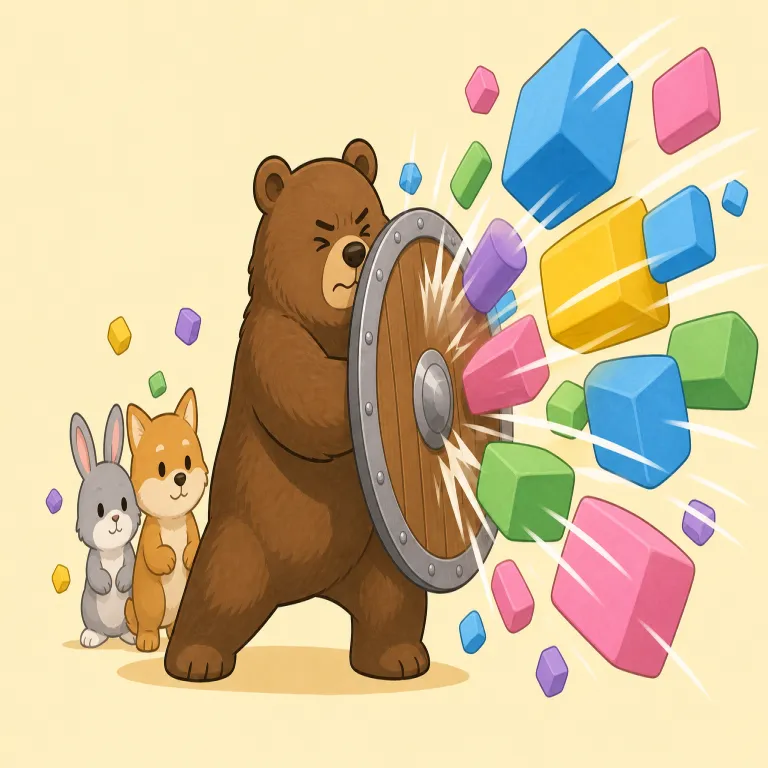
bear the brunt of は英検準1級レベルの英熟語で、「最大の打撃を受ける、矢面に立つ」という意味があります。発音記号は /ˈbɛr ˈðiː ˈbrʌnt ˈʌv/ です。
意味一覧 (2件)
最大の打撃を受ける
解説 Definition
災害、不況、批判、コスト増などの悪い出来事について、集団や地域、人物がその影響のうち最も大きく重い部分を受けることを表す。前に出て対応するというより、被害や負担がその対象に集中するという含みが強く、ニュースや説明文でもよく使う。
This idiom means to suffer the greatest and most severe part of something harmful. It is used when damage, criticism, costs, or another burden falls more heavily on one person, group, or place than on others.
覚え方のコツ Memory Tip
まず bear を「クマ」ではなく「耐える・引き受ける」で固定し、brunt を「いちばん強い一撃・被害の中心」とまとめて覚えると、この句全体で「最もきつい部分をまともに受ける」と取れます。災害・批判・コスト削減などで、一部の人や部門だけが重い打撃を受ける場面で使うのが典型です。bear the brunt of criticism / cuts / the recession の形で見ると定着しやすいです。単に suffer from よりも「被害の中心を引き受ける」感じが強い点に注意。
Remember bear as “endure,” not the animal, and brunt as the strongest part of a blow. Together, the words create a picture of receiving the hardest impact directly.
例文
Small businesses bore the brunt of the sudden rise in energy prices.
エネルギー価格の急騰で、最大の打撃を受けたのは中小企業だった。
Coastal towns are expected to bear the brunt of the typhoon.
沿岸の町がその台風の最大の被害を受けると見込まれている。
Although everyone was affected, new employees bore the brunt of the budget cuts.
全員に影響はあったが、予算削減で最も大きな打撃を受けたのは新入社員だった。
矢面に立つ
(意味 2)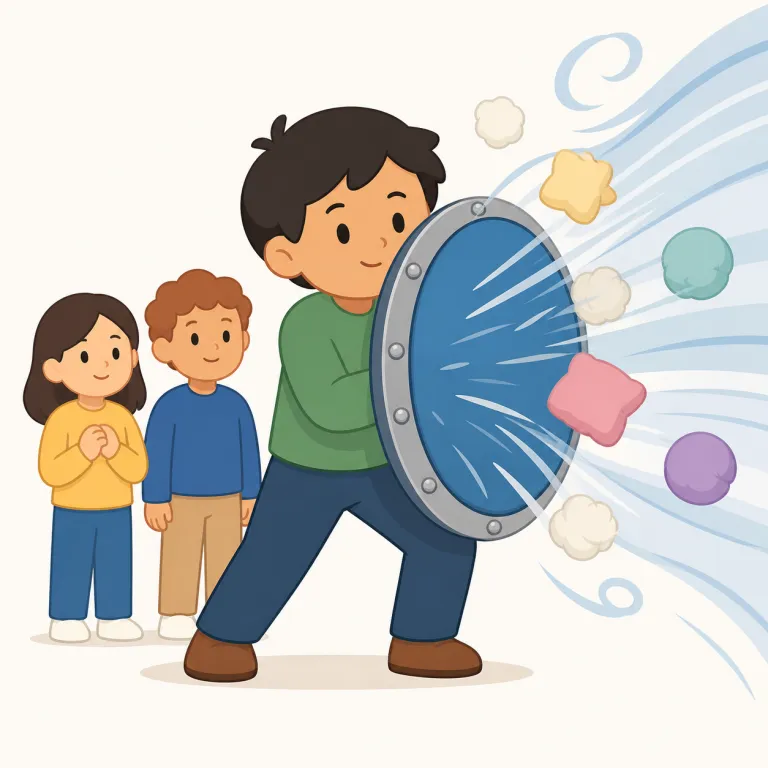
解説 Definition
「bear the brunt of」は、被害や責任の中心的な部分を真っ先に受け止めることを表す。集団の中で特定の人や部門が大きな負担を引き受け、それに比べて他が軽く済むような状況でよく使われる。対策や反省の会話では、誰が brunt を負うのかを話題にすることが多い。
To bear the brunt of something means to suffer the worst or hardest part of a difficult situation. It is commonly used for damage, criticism, pressure, or responsibility. The expression usually shows that one person or group is affected more than others.
例文
Local residents bore the brunt of the earthquake's damage.
地元住民が地震の被害を最も大きく受けた。
The sales team bore the brunt of the budget cuts while research kept its headcount.
予算削減の打撃は営業チームが最も受け、研究部門は人員を維持した。
Small businesses often bear the brunt of sudden price increases.
急な値上げの打撃を最も受けるのは、多くの場合、小規模な企業だ。
bear the brunt of の類義語・関連語
紛らわしい語
bear the brunt of の語源・成り立ち Etymology
bruntは中英語で「攻撃の最も激しい衝撃」を意味し、古ノルド語bruna(突進する)が起源とされる。bearは古英語beran(耐える・運ぶ)。攻撃の最大の衝撃を「耐え受ける」が原義で、批判や困難の矢面に立つ意味に。関連語にburden(重荷)がある。
Bear comes from Old English beran, meaning “to carry or endure,” and brunt was used in Middle English for the fiercest impact of an attack. The expression therefore pictures someone enduring the strongest part of a blow.
同じレベルの語彙をもっと
英検準1級の一覧へ →外部辞書で調べる
この英熟語をクイズで覚えよう