頭脳
解説 Definition
brains は brain(脳、頭脳)の複数形です。複数の人の頭脳や知力を指すときに使い、文脈によっては物理的な脳を指すこともあります。
The plural of brain, referring either to the physical organs inside the heads of people or animals or, figuratively, to the intelligence and thinking abilities of several people. In some contexts, it can also mean intelligent people considered as a group.
覚え方のコツ Memory Tip
brain「脳・頭脳」の複数形で、語末 /n/ は有声音なので -s は /z/ と発音し、全体は /breɪnz/。複数の物理的な脳だけでなく、creative brains「創造的な頭脳を持つ人々」のように、複数の人の知力や才能を指せます。単数 brain との数の違いを意識します。
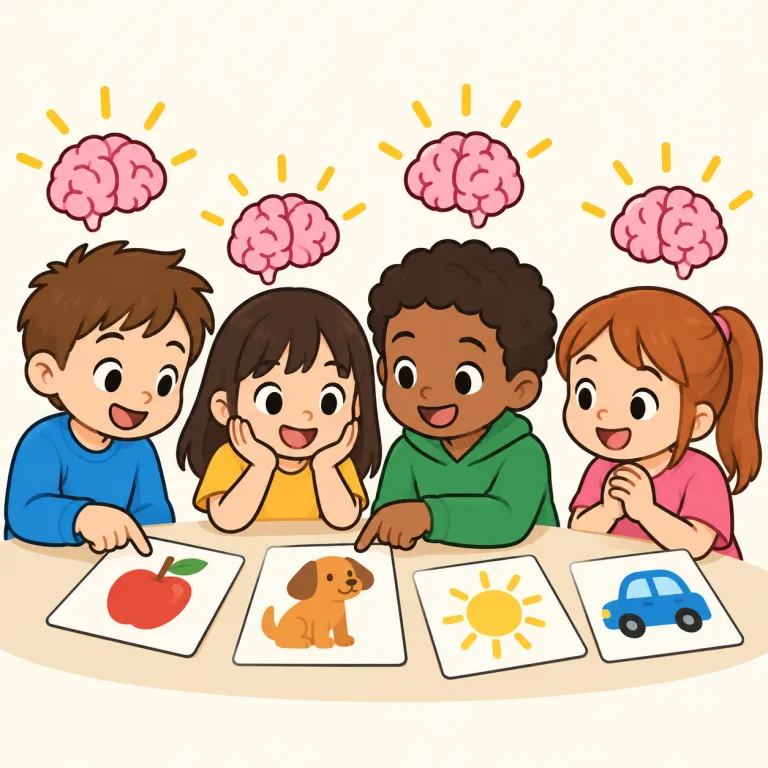
Brains is the regular plural of brain. Because brain ends in the voiced sound /n/, the plural ending is pronounced /z/, giving /breɪnz/. Keep two connected images in mind: several physical brains and several people contributing their intelligence. Expressions such as young brains, creative brains, and different brains often focus on ways of learning or solving problems. When people say a project needs “more brains,” they usually mean more intelligent thinkers, not additional organs. The plural form signals that more than one mind or brain is involved.
例文
Young brains can learn new words quickly.
若い頭脳は新しい単語をすばやく覚えられます。
The project needs creative brains.
そのプロジェクトには創造的な頭脳が必要です。
Different brains solve problems in different ways.
人によって、問題の解き方は異なります。
brains の類義語・関連語
brains の語源・成り立ち Etymology
brains は brain+複数語尾 -s。brain は古英語 brægen「脳」にさかのぼるゲルマン系の語で、もとは身体の脳そのものです。そこから「思考力・頭のよさ」の意味が育ち、brainy や brainless にも同じ核が残っています。
Brains is formed from brain and the regular plural suffix -s. Brain comes from Old English brægen, a Germanic word for the physical organ in the head. From that concrete anatomical meaning, English developed figurative senses involving intelligence, thought, and an intelligent person. The plural ending is written -s but pronounced /z/ here because it follows the voiced consonant /n/.
同じレベルの語彙をもっと
外部辞書で調べる
この英単語をクイズで覚えよう