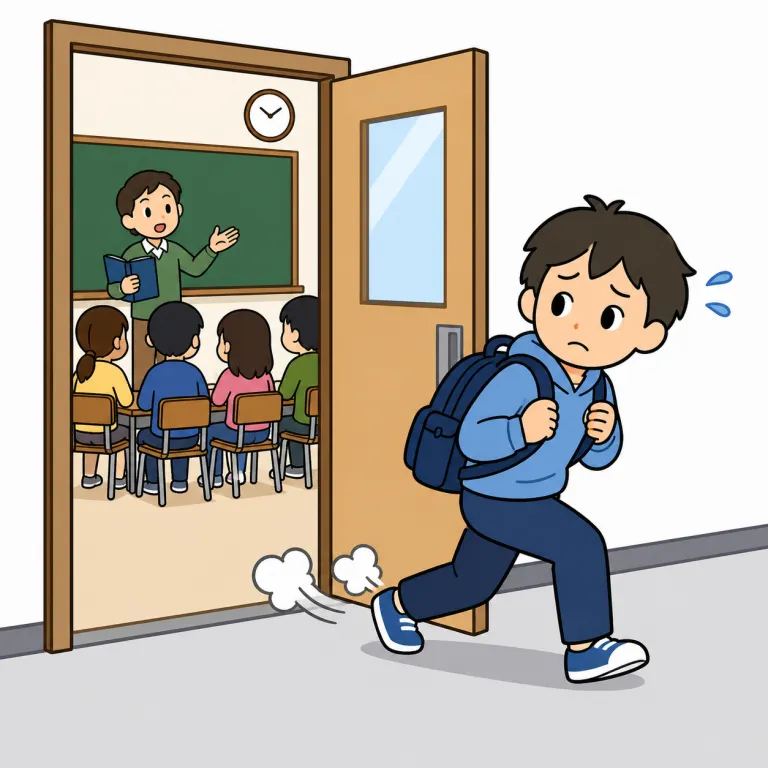
無断欠席する
解説 Definition
授業や学校に無断で欠席すること。ずる休みをすることを指す。
Bunking means staying away from school, class, or work without permission. It is an informal word, especially common in British English, for secretly skipping something you are expected to attend.
覚え方のコツ Memory Tip
bunking は英国寄りのくだけた言い方で、まず bunk off という形ごと覚えると定着しやすいです。学校の授業をこっそり抜ける場面でよく使われ、単なる absent「欠席している」よりも、意図的にさぼる感じが強い語です。skip class に近いですが、bunking のほうがやや不良っぽく口語的。school や class と結びつけて、He was caught bunking class. のような場面で思い出すと区別しやすくなります。
`Bunking` is British informal English, often linked with `school`, `class`, or `work`. It is stronger than just being absent, because it suggests you skipped on purpose and may get in trouble. Remember common patterns like `bunk off` or `be caught bunking classes`.
例文
Bunking classes is against school rules.
授業をサボることは学則に反する。
Students caught bunking face disciplinary action.
サボっているのが見つかった生徒は懲戒処分を受ける。
His friends urged him to join them in bunking classes.
友達は、一緒に授業をサボろうと彼を誘った。
bunking の類義語・関連語
紛らわしい語
bunking の語源・成り立ち Etymology
bunking は英国口語 bunk off「無断で抜ける」の形で、bunk は英語で「急いで姿をくらます・逃げる」を表す俗語です。この「ずらかる」感覚から、学校や仕事をさぼる意味になりました。語源自体は不詳ですが、関連語は bunk off、do a bunk です。
Bunking comes from the British informal expression bunk off, meaning to leave or avoid something without permission. Bunk in this sense is old slang for running away or disappearing quickly. From that idea of making off, it developed the meaning of skipping school or work. The deeper origin is uncertain, but related forms include bunk off and do a bunk.
同じレベルの語彙をもっと
外部辞書で調べる
この英単語をクイズで覚えよう