陰極の
解説 Definition
陰極に関する、または陰極で起こる性質を表します。陰極は電気化学で還元が起こる電極を指し、装置や反応の種類によって正極になることも負極になることもあります。
Cathodic means relating to the cathode, which is an electrode in an electrical or chemical system. It is often used in chemistry, electronics, and engineering, for example in batteries or corrosion protection.
覚え方のコツ Memory Tip
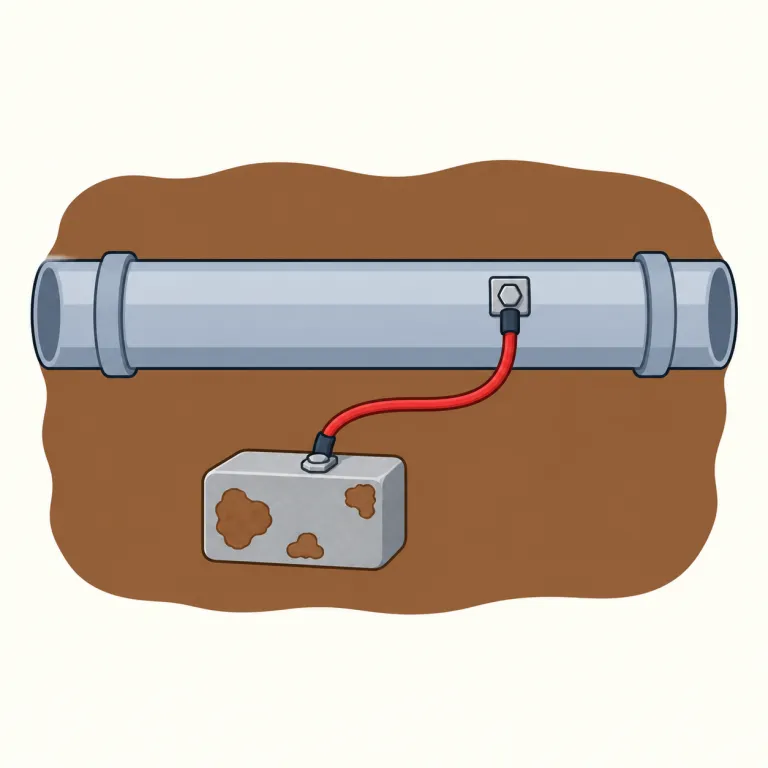
cathodic は cathode(陰極)に「〜に関する」を作る -ic が付いた形なので、まず cathodic reaction=陰極で起こる反応、と組で覚える。電気化学では陰極は必ず還元が起こる側であり、「陰極=常にマイナス」と暗記すると電池の種類によって誤る点に注意。anodic oxidation(陽極での酸化)と cathodic reduction(陰極での還元)を対にすると混同しにくい。cathodic protection は、金属を陰極側にして腐食を抑える「陰極防食」で、さびから配管や船体を守る場面に固定すると定着しやすい。
Start from `cathode`, then add `-ic`, which often means `related to`. So `cathodic` simply means `of the cathode side`, just like `anodic` comes from `anode`. The phrase `cathodic protection` is a strong memory hook.
例文
The cathodic protection prevents rust.
陰極保護は錆を防ぐ。
Cathodic reactions occur at the cathode.
陰極反応は陰極で起こる。
The cathodic system is effective.
陰極システムは効果的である。
cathodic の類義語・関連語
派生語
cathodic の語源・成り立ち Etymology
cathodic は cathode からできた語で、語源はギリシャ語 kata-「下へ」+ hodos「道」の kathodos「下り道」です。anode と対になるだけでなく、method も同じ hodos を含むので、「流れが向かう道」という感覚で陰極性を覚えられます。
Cathodic comes from cathode, which is based on Greek kathodos, meaning "way down" or "downward path," from kata- "down" and hodos "way." In science, the word was chosen for the electrode seen as the path where current goes downward or inward. The root hodos also appears in method, originally meaning a "way" or "path."
同じレベルの語彙をもっと
外部辞書で調べる
この英単語をクイズで覚えよう