併存疾患
解説 Definition
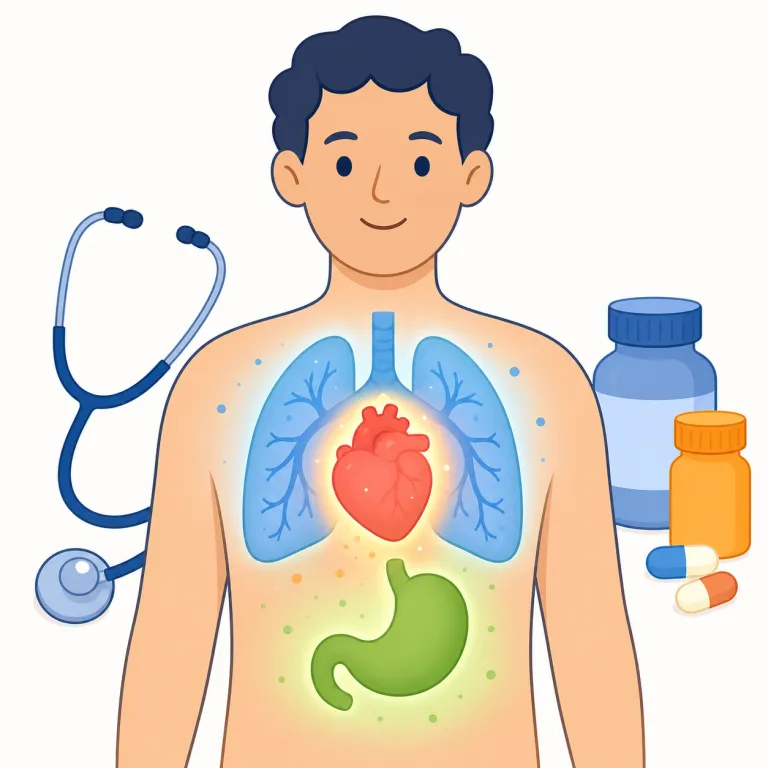
医学用語。同一患者が同時に持つ複数の異なる疾患や病気の状態。疾病統計や医学研究で使用される。
Comorbidity is the presence of two or more diseases or medical conditions in the same person at the same time. It is a term mainly used in medicine and health care. It often helps doctors describe how different conditions may affect treatment or recovery.
覚え方のコツ Memory Tip
まず core を『一人の患者に病気が1つではなく並んでいる状態』で固定します。medical の文脈で diabetes, hypertension, depression などがセットで語られたらこの語を疑うと覚えやすいです。co- は together の感覚で、単独の disease ではなく“with another condition”があるのがポイント。complication はある病気の結果として起こる合併症寄りですが、comorbidity は別の疾患が同時に存在すること、という違いで整理すると混同しにくくなります。
The prefix `co-` means "together," and `morbidity` is related to disease or illness. So `comorbidity` helps you remember the idea of illnesses existing together in one person. It often appears in medical contexts where two or more conditions are discussed side by side.
例文
Diabetes is a common comorbidity in patients with hypertension.
高血圧の患者では、糖尿病はよく見られる併存疾患である。
The study examined comorbidity patterns in elderly populations.
この研究は高齢者人口の併存疾患パターンを調査した。
Comorbidity increases treatment complexity for physicians.
併存疾患は医師による治療を複雑にする。
comorbidity の類義語・関連語
紛らわしい語
comorbidity の語源・成り立ち Etymology
「comorbidity」は co-「共に」+ morbidity「病気である状態」から成る語です。morbidity はラテン語 morbus「病気」にさかのぼり、morbid も同根なので、一つの病気に別の病気が重なって存在するという意味が形のまま見えます。
Built from co- "together" and morbidity, meaning a state of illness. Morbidity comes from Latin morbus "disease," the same root as morbid. The word developed to describe illnesses that exist together in the same person.
同じレベルの英単語をもっと
外部辞書で調べる
この単語を英単語クイズで覚えよう