ごつんと打つ
verb 動詞人、特にその頭を強く打つことを表す、くだけた動詞。conk someone on the headの形でよく使われ、頭を何かにぶつけた場合にも用いられる。
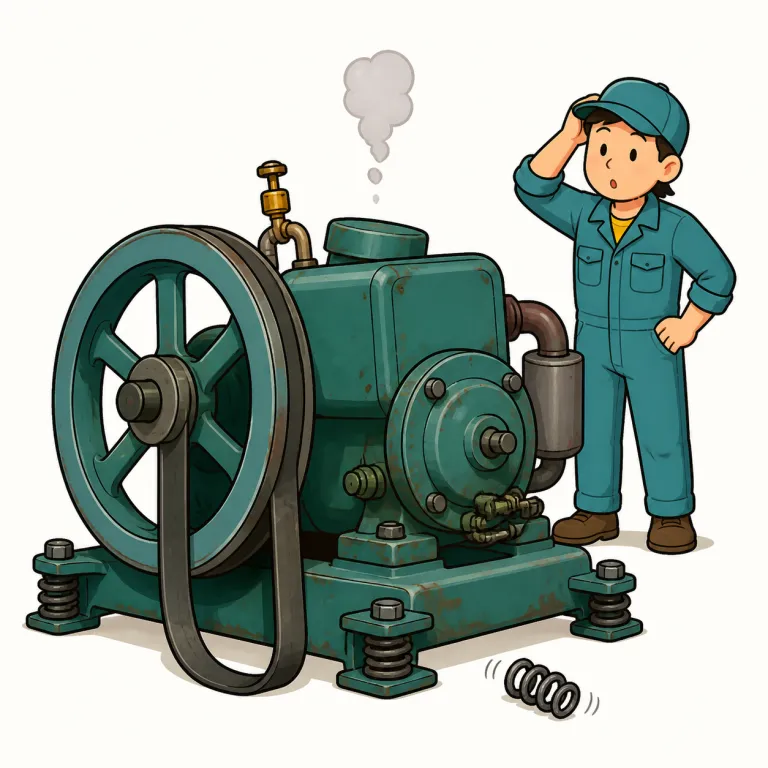
機械が故障する、または動作を停止することを指す動詞。予期しない故障や停止を表します。
Conk means to stop working suddenly, especially when talking about a machine or engine. It is informal and is often used in the phrase "conk out." It can also be used more generally for a person becoming too tired to continue.
まず conk は単独より conk out を一塊で覚えると定着しやすい。out は「外へ」ではなく「機能が抜ける」感覚で、car, engine, computer などが急に使えなくなる場面でよく出る。break は壊れる事実、stop は止まる動作、fail は機能不全を広く言えるが、conk はもっと口語的で「突然へたって動かなくなる」感じ。古い車や機械が途中でぷつっと止まる映像と結びつけると記憶に残る。
Remember this with the phrase `conk out`, which is much more common than the base form. It is used for cars, engines, machines, or devices that were working and then suddenly stop. It sounds more informal than `fail`, and it fits especially well with old vehicles or weak batteries giving up.
The engine began to conk out.
エンジンが故障し始めた。
The old machinery finally conked out.
古い機械はついに止まった。
The system conked out during the presentation.
そのシステムはプレゼンテーション中に故障した。
文脈によって、次の意味でも使われます。
人、特にその頭を強く打つことを表す、くだけた動詞。conk someone on the headの形でよく使われ、頭を何かにぶつけた場合にも用いられる。
人の鼻を指す、主にイギリス英語のくだけた表現。大きい鼻や目立つ鼻について冗談めかして述べる場合などに使われ、正式な場面では通常noseを用いる。
conk out の conk は20世紀英語俗語で、機械やエンジンが急に止まることを表す口語として広まりました。由来は確定的ではありませんが、衝撃音・停止音を思わせる擬音的な発達と見る説明が有力です。鼻を表す conk とは別に、この行では「エンジンなどがぽっくり止まる」感覚に結びつけると分かります。
Conk as a verb is probably 20th-century English slang, likely based on an imitative sound. It was used for an engine stopping suddenly, and then more broadly for suddenly failing or stopping. Another word conk, meaning "nose," may have a different history and is sometimes linked with conch through shape or sound. The modern sense seems to have grown mainly from sound imitation.
この英単語をクイズで覚えよう