聞く耳を持たないこと、無反応
noun 名詞忠告や訴えなどを聞き入れようとしない態度、または他者の意見への鈍感さを比喩的に表す。deafness to criticism のように deafness to+名詞で用い、身体的な聴覚障害ではなく心理的な無反応を強調する。
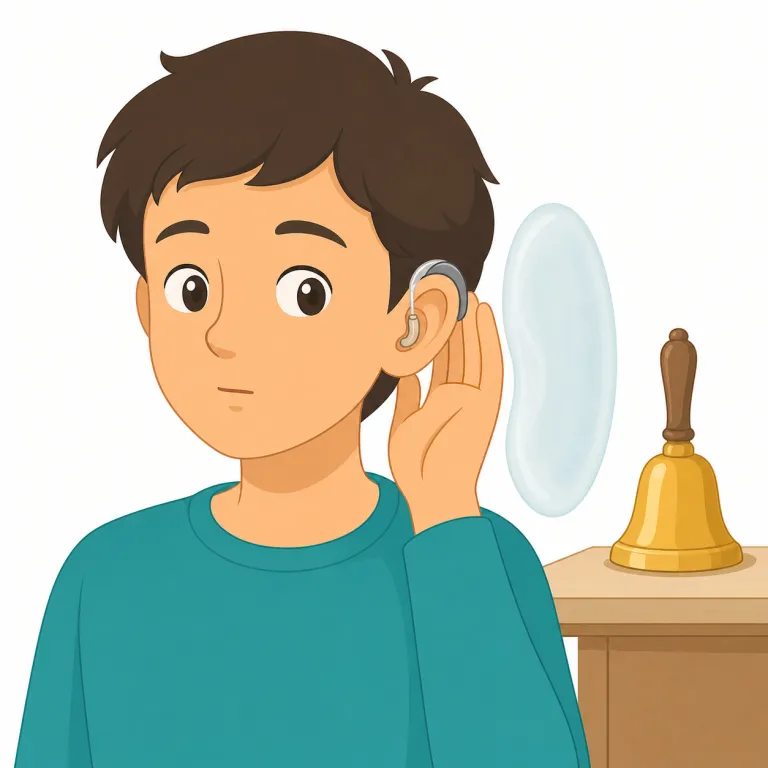
聴覚が完全にまたは部分的に失われた状態を指す。先天的・後天的な原因で生じ、程度はさまざまである。補聴器や環境調整などで対応できる場合もある。
Deafness is the condition of being unable to hear fully or at all. It can be partial or complete, and it may happen from birth, illness, age, or injury. The word is mainly used in medical, social, and everyday discussions about hearing.
deaf + -ness の形で覚える。-ness は kind→kindness と同じく「状態」を名詞化する接尾辞なので、deafness はそのまま「耳が聞こえない状態」。まず形容詞 deaf を核に押さえると、deafen(聞こえなくする)や deafened(耳をつんざかれて聞こえにくい)にも広げやすい。hearing loss は説明的で広い言い方、deafness は状態名としてより直接的。partial deafness、profound deafness のように程度と一緒に出ることも多い。blindness と並べて「感覚の欠如を表す -ness 名詞」として覚えると定着しやすい。
See the structure: deaf + -ness. The suffix -ness turns an adjective into a state, like kind to kindness, so deafness is the state connected with deaf. It is also useful to remember with blindness as another -ness word about loss of a sense.
Her deafness means she cannot hear any sounds.
彼女は難聴のため、まったく音が聞こえない。
Many people with deafness use sign language to communicate.
難聴者の多くは手話で意思疎通を行う。
Hearing aids can help with some forms of deafness.
補聴器は一部の難聴に役立つことがある。
文脈によって、次の意味でも使われます。
忠告や訴えなどを聞き入れようとしない態度、または他者の意見への鈍感さを比喩的に表す。deafness to criticism のように deafness to+名詞で用い、身体的な聴覚障害ではなく心理的な無反応を強調する。
古英語 deaf「耳が聞こえない」に、状態を表す接尾辞 -ness が付いた英語本来語。deaf はゲルマン祖語 *daubaz にさかのぼり、「鈍い・感覚がにぶい」という感覚から難聴の意味になった。関連語は deaf、deafen。
Deafness is a native English word built from Old English deaf and the suffix -ness, which shows a state or condition. Deaf goes back to Proto-Germanic *daubaz, with an earlier sense of being dull or lacking normal sensation. Related English words include deaf and deafen.
この英単語をクイズで覚えよう