やめる
解説 Definition
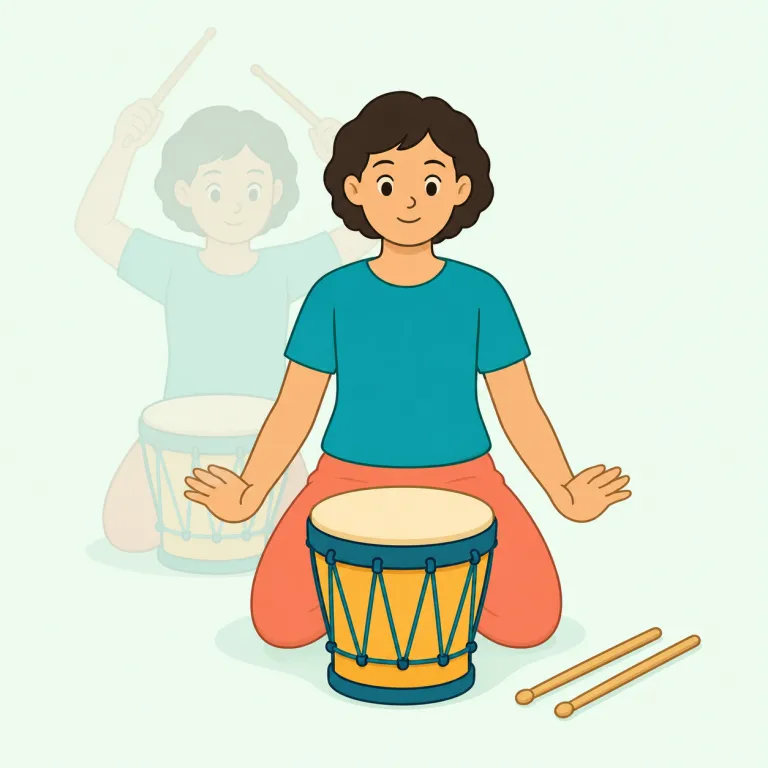
何かをすることをやめる、または中止する。ある行動や活動を停止することを意味します。
Desist means to stop doing something. It is usually used in formal, serious, or legal contexts rather than casual conversation. The word often appears when someone is ordered or strongly told to stop.
覚え方のコツ Memory Tip
resist を知っていると覚えやすい語。resist は「抵抗して踏みとどまる」だが、desist はそこで踏んばるのでなく「手を引いてやめる」側に動く。単独より cease and desist(中止せよ)で非常によく見かけ、法律・警告文の定番表現として印象づけると強い。persist・insist・resist の -sist 仲間は、何らかの姿勢を取り続ける語群。de- が付くと、その行為から離れて続けるのでなく降りる感じになる。日常の stop より硬く、違反行為や迷惑行為をやめさせる文脈で出やすい。
If you know resist, this word is easier to place. Desist is not about fighting against something, but about stopping and pulling back from an action. The phrase cease and desist is very common, so remembering that fixed pair is a strong memory hook.
例文
The company decided to desist from using outdated manufacturing methods.
その会社は時代遅れの製造方法の使用をやめることにしました。
She was ordered by the court to desist from publishing false information.
彼女は裁判所から虚偽の情報を公開することをやめるよう命じられました。
We must desist from damaging the environment for future generations.
私たちは将来の世代のために環境を傷つけることをやめなければなりません。
desist の類義語・関連語
類義語
紛らわしい語
desist の語源・成り立ち Etymology
desist はラテン語 desistere に由来し、de-「離れて」+ sistere「立ち止まらせる」から成ります。もともとは「そこから退いて止まる」感覚で、そこから行為をやめる、思いとどまるという意味になりました。関連語は insist, resist。
Desist comes from Latin desistere, formed from de- "away" and sistere "to stop" or "stand still." Its original sense was to stand back or stop from something. That developed naturally into the modern idea of stopping an action or giving up a course of action. Related words include insist and resist.
同じレベルの語彙をもっと
外部辞書で調べる
この英単語をクイズで覚えよう