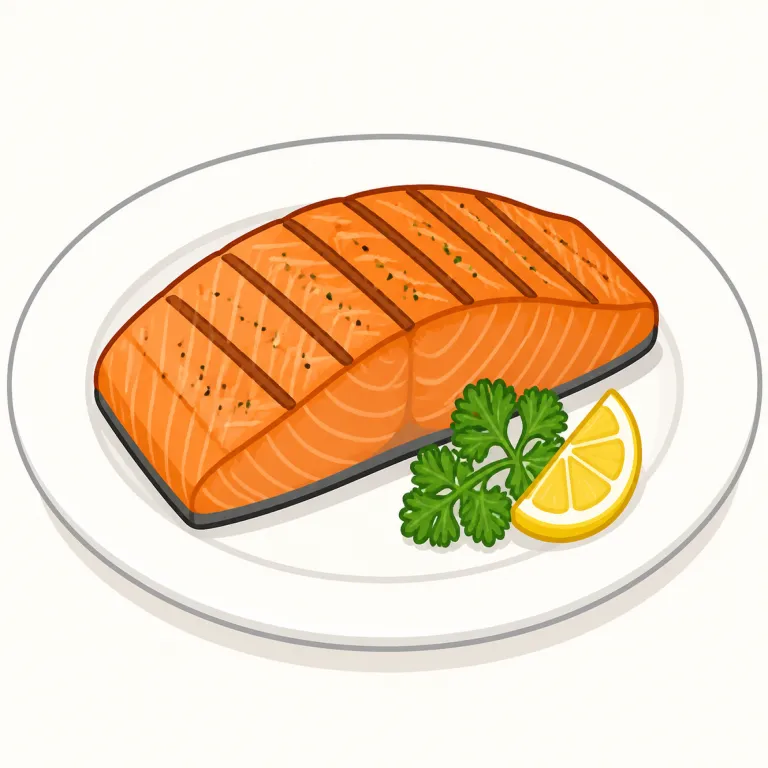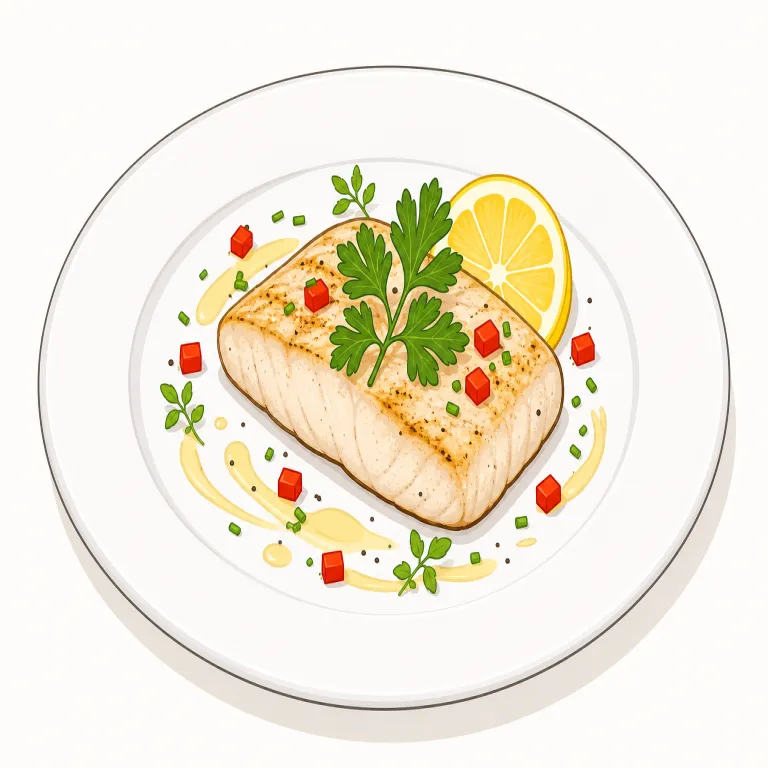
garnish
garnish は英検準1級・英検1級レベルの英単語で、「飾り付け、付け合わせ、飾る、添える、装飾、法廷命令」という意味があります。発音記号は /ˈɡɑːrnɪʃ/ です。
飾り付け
解説 Definition
料理や飲み物に添えられる、少量の装飾的な食材や飾りを指す名詞です。主役の具材ではなく、皿全体の彩り、香り、質感を引き締める脇役として働きます。パセリ、柑橘の皮、ハーブなどが典型です。
A garnish is a small decorative item added to food or drink to improve its appearance and sometimes its flavor. Common garnishes include herbs, lemon slices, or small pieces of vegetables. The word is used mostly in cooking and serving food.
覚え方のコツ Memory Tip
名詞のgarnishは、料理の上やグラスの縁に置かれた「小さな見せ場」として覚える。a lemon garnish, a sprig of mint as a garnishのように、何が飾りかを名詞句で示せます。toppingは量や味の存在感が強い場合もありますが、garnishは控えめで視覚的な完成度を上げる役。動詞garnishは、この飾りを実際に添える動作です。
Think of `garnish` as the small finishing touch on food or drinks. It goes with words like `dish`, `salad`, `cocktail`, and `plate`, so it feels more like kitchen English than general `decoration`. A garnish is usually small and not the main part. That helps separate it from a heavier `topping`.
例文
The chef added a fresh herb garnish to the top of the soup.
シェフはスープの上に新鮮なハーブの飾り付けを加えた。
A simple parsley garnish elevated the presentation of the dish.
シンプルなパセリの飾り付けはその料理の見栄えを高めた。
She carefully garnished each plate with colorful vegetables.
彼女は各プレートを色鮮やかな野菜で丁寧に飾り付けた。
付け合わせ
(意味 2)解説 Definition
料理や飲み物に添えて、見た目や風味を引き立てる小さな食材や飾りを指す名詞。主役の料理そのものではなく、皿の彩りや仕上げとして加えられることが多い。レモン、パセリ、ハーブなどが典型的な garnish で、献立や盛り付けの説明でよく使われる。
A garnish is a small food item or decoration added to a dish or drink to improve its appearance or flavor. It is not the main part of the food, but something placed on or beside it as a finishing touch. Common examples of garnish include lemon slices, parsley, and fresh herbs. The word is often used when talking about menus, cooking, and presentation.
覚え方のコツ Memory Tip
garnish は料理に添える「付け合わせ、飾り」を指す名詞です。語源は「飾る、整える」に関係し、皿を完成させる最後の一手というイメージです。a garnish of parsley や serve with a garnish の形でよく使われます。side dish は量のある副菜、garnish は少量で見た目や香りを補う添え物と覚えると区別しやすいです。
Strength is a noun made from the adjective strong, just as warmth comes from warm. The suffix -th shows the quality or state of being something, so strength means "the state or quality of being strong." When you study this word, think about physical power, the ability to endure difficulty, or inner emotional support. We often say have the strength to lift something or regain strength.
例文
The fish was served with a lemon garnish.
その魚料理にはレモンの付け合わせが添えられていた。
A sprig of mint made a simple but elegant garnish for the dessert.
小さなミントの枝が、そのデザートに上品な付け合わせを添えていた。
The menu says the cocktail comes with an orange-peel garnish.
メニューには、そのカクテルにオレンジの皮の付け合わせが付くと書かれている。
飾る、添える
(意味 3)解説 Definition
料理や飲み物を出す直前に、彩り・香り・見た目を整えるため小さな食材を添える動作を表します。目的語は皿、スープ、カクテルなどで、garnish A with B「AをBで飾る」の形が典型です。
To garnish means to add a small amount of food or another decorative item to a dish or drink just before serving it. The purpose is usually to improve the color, smell, or overall appearance. It is often used with objects like plates, soups, salads, or cocktails. A common pattern is garnish A with B, meaning to decorate or finish A by adding B.
覚え方のコツ Memory Tip
garnish は料理や飲み物に彩りを添えて仕上げる動詞です。語源は「守る・備える」系から発展し、現在は garnish a dish with herbs のように、主役を変えず見栄えや風味を少し足す感覚です。decorate より実用的で料理寄り、adorn より控えめなので、「最後に添える飾り」と覚えると定着します。
Think of garnish as the final little touch that makes a dish look ready and attractive. When you garnish something, you add a small extra item, such as parsley or lime, to improve the color or style. The pattern garnish A with B is especially useful: garnish the salad with nuts, garnish the drink with lemon.
例文
She garnished the soup with chopped parsley before serving it.
彼女は出す前にスープに刻んだパセリを添えた。
The bartender garnished the cocktail with a slice of lime.
バーテンダーはカクテルにライムを添えた。
To make the dish look more elegant, the chef garnished the plate with edible flowers.
料理をより上品に見せるために、シェフは皿を食用花で飾った。
装飾
(意味 4)解説 Definition
食べ物の見た目を美しくするために添える装飾的な食材。シェフが料理の色彩や形を引き立たせるために、ハーブやレモンスライスなどを置く。
例文
The chef used fresh herbs as a garnish for the plate.
シェフはプレートを装飾するために新鮮なハーブを使った。
She added a garnish of lemon slices to enhance the appearance.
彼女は見た目を良くするためにレモンスライスの装飾を加えた。
The colorful garnish made the simple dish look more appetizing.
その色鮮やかな装飾が、シンプルな料理をより美味しそうに見せた。
法廷命令
(意味 5)解説 Definition
給与や資産を差し押さえるための法廷命令。債権者が債務回収のために申し立てることができる法的手続き。
例文
The court issued a garnish order to collect the outstanding debt from the defendant's wages.
裁判所は被告の給与から未払い債務を回収するために法廷命令を出した。
Under the garnish order, the employer was required to withhold a portion of the employee's salary each month.
その法廷命令の下で、雇用主は毎月従業員の給与の一部を控除することが義務付けられた。
The creditor filed a motion for a garnish order to seize funds from the defendant's bank account.
債権者は被告の銀行口座から資金を差し押さえるために法廷命令の申し立てをした。
garnish の語源・成り立ち Etymology
garnishは古フランス語garnir「備える・飾る」から英語へ入り、さらにフランク語warnjan「守る・整える」にさかのぼる。もとは「備えつける」感覚で、料理に最後の飾りを添える意味へ伸びた。関連語にgarrison、warn。
Garnish came from Old French garnir, meaning "to equip" or "to decorate." That verb goes back to a Germanic source also linked with English warn and garrison. The basic sense was "to furnish or prepare," and from there it narrowed to the decorative finishing touch added to food.
外部辞書で調べる
この単語を英単語クイズで覚えよう