flagrant
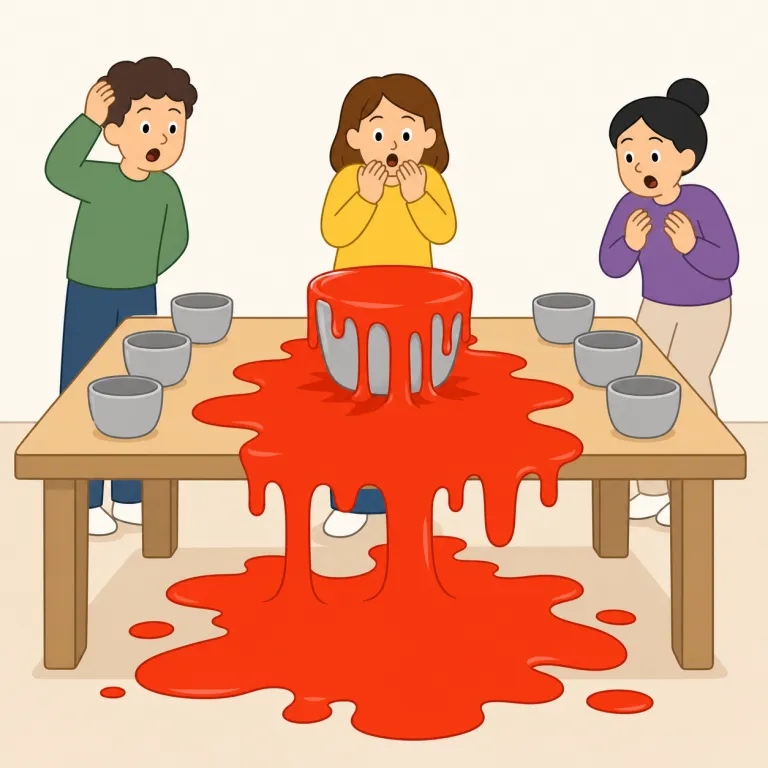
flagrant は英検1級レベルの英単語で、「目に余る、あからさまな、悪名高い、明白な」という意味があります。発音記号は /ˈfleɪɡrənt/ です。
目に余る
解説 Definition
悪質で明白な違反や不正行為を表す。隠す気もなく堂々と行われる、許しがたい行為の性質。
Flagrant means very obvious and seriously bad or wrong. It is often used for actions that clearly break rules, laws, or moral standards. The word suggests that the problem is open and hard to ignore.
覚え方のコツ Memory Tip
flagrant は、規則違反や不正が隠しようもなく露骨で、周囲が見過ごせないほどひどいという意味で覚えます。flagrant violation, flagrant foul, flagrant disregard のように、法律・ルール・礼儀への明白で悪質な違反と結びつきやすい語です。単に「よく知られた悪評」ではなく、行為そのものがあからさまで許しがたい点に焦点があります。fragrant「香り高い」との綴り違いにも注意しましょう。
Link flagrant with obvious wrongdoing. It often appears in phrases like flagrant violation, flagrant foul, and flagrant disregard. The focus is not fame or reputation, but how open and unacceptable the bad action is. Be careful not to mix it up with fragrant, which is about a pleasant smell.
例文
The committee condemned the flagrant misuse of funds.
委員会は資金の目に余る使い込みを非難した。
His flagrant disregard for the safety rules worried everyone.
彼の安全規則への目に余る無視は皆を心配させた。
The referee warned the player after his flagrant foul.
審判は目に余るファウルをした選手に警告した。
あからさまな
(意味 2)解説 Definition
明らかに悪質で、隠そうとしない違反や不正行為を指す形容詞です。見て見ぬふりができないほどあからさまで、相手を傷つけたり規則を破ったりすることを、恥じらいなく行う様子を表します。
例文
His flagrant violation of the contract shocked everyone involved.
彼の契約違反はあからさまで、関係者全員を驚かせました。
The flagrant manner in which she ignored safety regulations was dangerous.
彼女が安全規則を無視したあからさまな方法は危険でした。
The official's flagrant abuse of power led to his removal from office.
その役人による権力のあからさまな乱用は彼の職務停止につながりました。
悪名高い
(意味 3)解説 Definition
悪い評判で広く知られている物事や人物を表す。犯罪、腐敗、失敗例など、世間に強く悪い印象を残した対象について、やや硬い文脈で使われる。
Flagrant describes a person, thing, or situation that is widely known in a strongly negative way. It is often used in formal contexts for crime, corruption, scandals, or famous failures that leave a very bad public impression. The word suggests that the bad quality stands out clearly and is hard to ignore.
覚え方のコツ Memory Tip
flagrant は「悪いことで強く目立つ」と考えると、悪名高いという意味に近づく。famous が中立的に「有名な」なら、flagrant は評判の対象が不正・腐敗・醜聞など悪い方向に偏る。notorious や infamous と近いが、flagrant はもともと「燃えるほど目立つ」感覚を持つ語。別エントリの「目に余る」は行為の露骨さに焦点があり、ここでは悪い評判として知られている点を意識する。
Think of flagrant as "standing out strongly for something bad." If famous is neutral, flagrant points to attention caused by corruption, scandal, or another negative reputation. It is close to notorious or infamous, and the original idea of "burning" can help you remember how strongly the bad image stands out.
例文
The report exposed a flagrant case of corruption in the city government.
その報告書は、市政府の悪名高い汚職事件を暴いた。
The club was criticized for its flagrant disregard for basic safety rules.
そのクラブは、基本的な安全規則を無視する悪名高い姿勢で批判された。
He played the role of a flagrant dictator who ruled through fear and lies.
彼は、恐怖と嘘で支配する悪名高い独裁者を演じた。
明白な
(意味 4)解説 Definition
あからさまで許しがたい悪行。明白で著しく悪い行為や態度。
例文
His flagrant disregard for the rules angered the coach.
規則に対する彼の明白な無視はコーチを怒らせました。
The flagrant violation shocked everyone in the courtroom.
明白な違反は法廷のすべての人を驚かせました。
Her flagrant lie was exposed by witnesses.
彼女の明白な嘘は証人によって暴露されました。
flagrant の語源・成り立ち Etymology
flagrant はラテン語 flagrare「燃える」に由来し、-ant は「その状態にある」を示す語尾です。もとは「燃え上がるほど目立つ」で、そこから「悪さがあからさまで目に余る」へ発展しました。conflagration や deflagration と同根です。
Flagrant comes from Latin flagrare "to burn," with the ending -ant. It originally suggested something burning or blazing brightly enough to be impossible to miss. From that strong image, it came to mean something wrong or offensive that is openly obvious. Related words include conflagration and deflagration.
外部辞書で調べる
この単語を英単語クイズで覚えよう