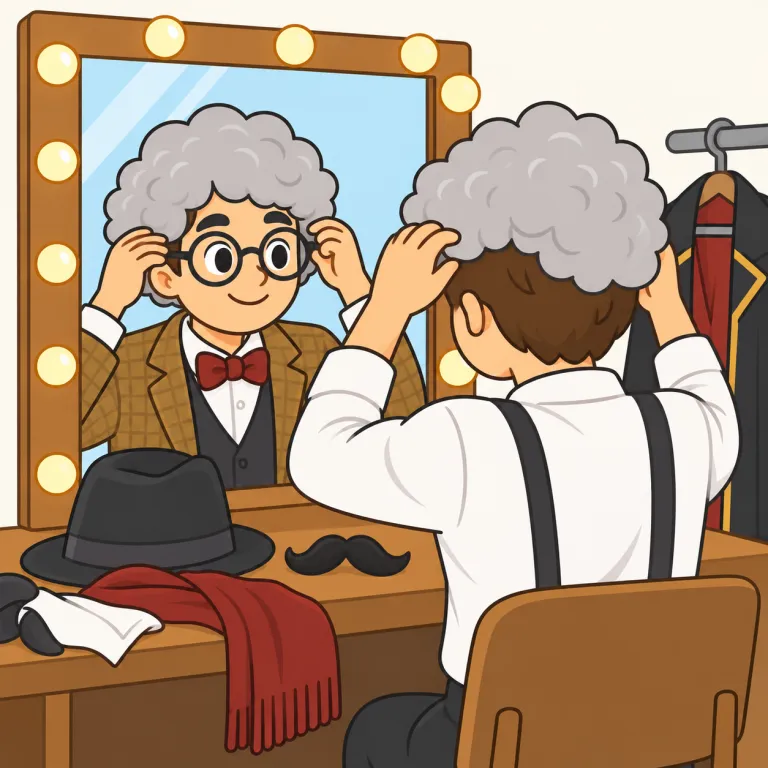
変装
解説 Definition
disguising は disguise(変装させる、隠す)の動名詞で、「変装すること」「正体を隠すこと」を意味します。名詞として、見た目や身元を分からなくする行為を表します。
Disguising is the gerund form of disguise and refers to changing someone's appearance or concealing a person's identity, nature, or purpose so that it is not recognized. It can also describe the ongoing action as a present participle.
覚え方のコツ Memory Tip
disguise「変装させる・正体を隠す」の動名詞。語末の黙字 e を落として -ing を付け、disguising となる。発音も disguise /dɪsˈɡaɪz/ に /ɪŋ/ を続け、/z/ の音と強勢は保つ。disguising his appearance のように、外見や身元を別物に見せる行為として覚える。
Begin with disguise, meaning “to alter an appearance or hide an identity.” To form disguising, drop the final silent e and add -ing. The pronunciation keeps the /z/ sound at the end of disguise and adds /ɪŋ/, with the main stress unchanged: /dɪsˈɡaɪzɪŋ/. Connect it with disguising his appearance, disguising an actor, or disguising someone's identity. The historical link with guise, “appearance or manner,” reinforces the central image: moving someone away from their recognizable appearance so the true person or purpose is concealed.
例文
Disguising his appearance took more time than he expected.
彼が外見を変装するには、予想以上に時間がかかりました。
The story includes a scene about disguising a traveler.
その物語には旅人を変装させる場面があります。
Disguising the actor was an important part of the film's design.
その俳優を変装させることは、映画の演出で重要な部分でした。
disguising の類義語・関連語
disguising の語源・成り立ち Etymology
disguising は disguise の動名詞で、古フランス語 desguiser に由来します。des- は「離して・別に」、guise はゲルマン系の「見え方・身なり」なので、元の姿から見え方をずらすことが「変装・偽装」だと分かります。関連語は guise, disguise。
Disguising is formed from disguise by dropping the final silent e and adding the gerund and participial suffix -ing. Disguise entered English through Old French desguiser, meaning to change the appearance or manner of something. The form contains a prefix corresponding to dis- or des-, indicating separation or alteration, and guise, “appearance, manner, or style.” Thus, the word historically suggests changing something from its recognizable guise.
同じレベルの語彙をもっと
外部辞書で調べる
この英単語をクイズで覚えよう