顕性の、優性の
adjective 形容詞遺伝学で、一対の対立遺伝子が異なる場合に、個体の形質として現れる側を表します。dominant gene、dominant allele、dominant traitなどの形で使い、社会的な力関係ではなく遺伝上の現れ方を示します。
dominant は英検準1級レベルの英単語で、「支配的な」という意味があります。発音記号は /ˈdɑːmɪnənt/ です。
最も力や権威を持っており支配的である、または最も目立っている。グループやシステムの中で最も重要または顕著な位置を占める。
If something is dominant, it is stronger, more important, or more noticeable than others in the same group. It is often used for people, companies, ideas, or traits that have the most power or influence.
dominant は dominate(支配する)の形容詞版と考えると覚えやすい。集団・市場・議論の中で「他を押さえて一番強い/目立つ」ものに使う。the dominant player in the market, a dominant color, dominant species などが定番。似た major は「主要な」、prominent は「目立つ」、dominant は「上に立って全体を左右する」圧の強さがある。domain とつなげて「その領域を実質的に握っている」とイメージすると定着しやすい。
Think of `dominant` as the adjective form of `dominate`. If something dominates a group, market, or discussion, it stands above the rest. It is stronger than `major` or `prominent`, because it suggests real control or power.
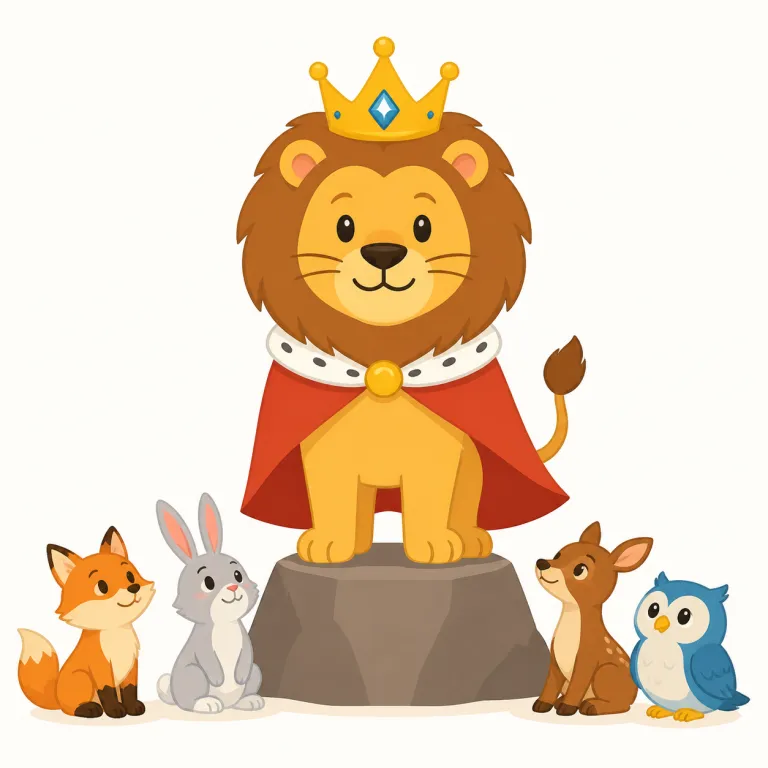
The lion is the dominant animal in this area.
この地域ではライオンが最も力のある動物です。
She was the dominant player on her team.
彼女はチームで圧倒的な力を持つ選手でした。
The dominant color in the painting is blue.
その絵では青が一番目立つ色です。
この語をはじめて出題された 41人 のうち 37人 が正解しました(90%)。
えいたんごクイズの回答から集計した独自データです。1人につき最初に出題されたときの1回だけを数えており、復習や2回目以降の回答、「わからない」と時間切れは含みません。 集計時点は 2026年9月19日 です。
文脈によって、次の意味でも使われます。
遺伝学で、一対の対立遺伝子が異なる場合に、個体の形質として現れる側を表します。dominant gene、dominant allele、dominant traitなどの形で使い、社会的な力関係ではなく遺伝上の現れ方を示します。
ラテン語 dominare(支配する)、その語根 dominus(主人)から。domus(家)が原義で「家の主」→「支配者」に発展。関連語: dominate(支配する)、domain(領域)。家を治める者が権力者を意味するようになり、「最も優勢な」という現代の意味につながった。
From Latin dominari, meaning "to rule," built from dominus, "master" or "lord." Dominus is linked to domus, "house," so the older idea was the master of a household. From that sense, the word developed into the wider idea of having power or control, as in related words like dominate and domain.
この英単語をクイズで覚えよう