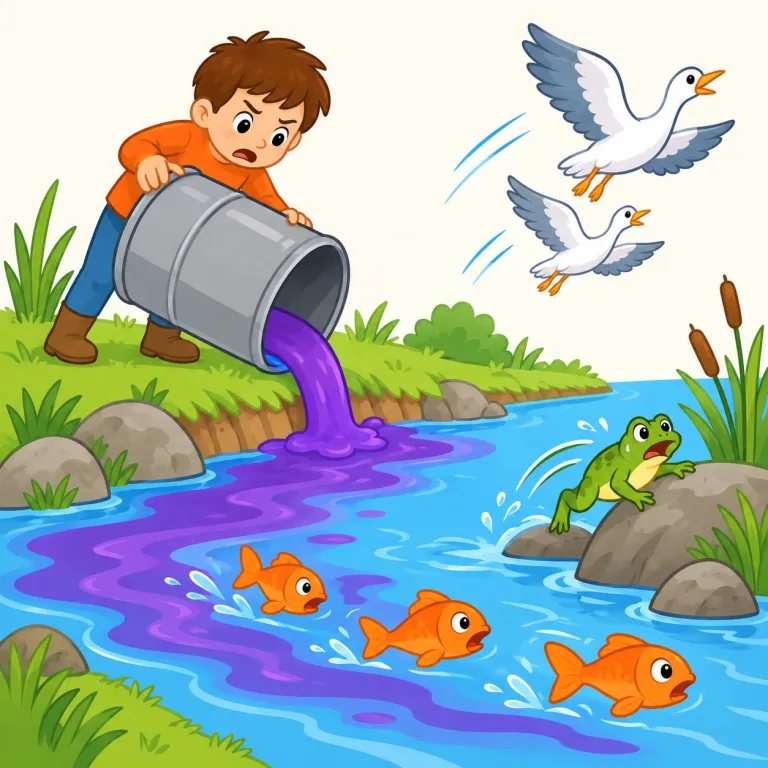
危険にさらす
解説 Definition
endangering は endanger(危険にさらす)の現在分詞・動名詞です。人や動物、環境などを危ない状況に置くことを表し、否定的な文脈でよく使います。
Endangering is the present participle or gerund of endanger. It means putting a person, animal, environment, or other valued thing at risk of injury, damage, loss, or destruction.
覚え方のコツ Memory Tip
原形 endanger「危険にさらす」に -ing を付けた現在分詞・動名詞で、語末の e を落として endangering となり、発音は /ɪnˈdeɪndʒərɪŋ/。en-「〜の状態にする」+danger と捉え、endangering passengers や wildlife のように被害を受ける対象を直後に置いて覚えます。
Build the form from endanger plus -ing: drop the final silent e before adding the suffix, giving endangering, pronounced /ɪnˈdeɪndʒərɪŋ/. The prefix en- carries the idea of putting something into a condition, so the word suggests placing someone or something in danger. It normally takes the threatened target directly: endangering passengers, workers, wildlife, or public safety. Use it for an action that creates a serious risk, not merely one that frightens someone. Protecting or safeguarding expresses the opposite movement—keeping the target away from danger.
例文
The driver was accused of endangering passengers.
その運転手は乗客を危険にさらしたとして非難されました。
Dumping chemicals into the river is endangering local wildlife.
川に化学物質を捨てることは、地域の野生生物を危険にさらしています。
The committee warned that cutting safety checks would be endangering workers.
委員会は、安全点検を減らすことは作業員を危険にさらすことになると警告しました。
endangering の類義語・関連語
類義語
endangering の語源・成り立ち Etymology
en-はフランス語・ラテン語由来で「〜の中へ、〜の状態にする」、dangerは古フランス語dangier、さらに俗ラテン語dominariumにさかのぼります。endangerは「危険の中に置く」が原義で、endangeringは何かを危険圏へ押し込む感覚です。関連語はdanger、endangeredです。
Endangering is the -ing form of endanger, with the final e omitted before the suffix. Endanger entered English through Anglo-French and combines en-, meaning “put into” or “cause to be in,” with danger. Danger comes through Old French dangier and historically referred to power, control, or peril. The resulting verb developed the direct sense “put in danger.”
同じレベルの語彙をもっと
外部辞書で調べる
この英単語をクイズで覚えよう