意味一覧 (2件)
香料、風味付け材料
解説 Definition
食べ物や飲み物に、よい香りや味をつけるために加える材料のことです。バニラやレモンなどの香りを少し足して、料理やお菓子の風味をよくします。
A flavouring is something added to food or drink to give it a particular taste or smell. It is often used in small amounts, such as vanilla or lemon flavouring.
覚え方のコツ Memory Tip
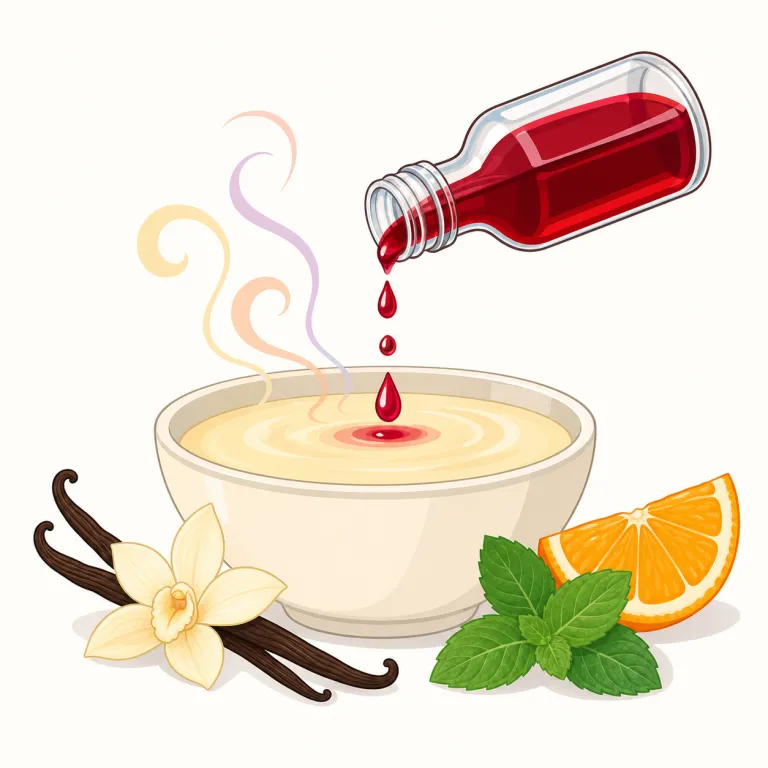
flavouring は flavour「風味」に、物や働きを表す -ing が加わった形と捉え、「味や香りを足す材料」に結びつけます。ケーキ生地へ少量の vanilla flavouring を垂らし、香りが広がる場面を固定すると定着しやすいです。add flavouring to ...「…に香料を加える」、natural lemon flavouring「天然レモン香料」が典型形です。ingredient が材料全般なのに対し、flavouring は風味付けを目的に加える材料だと押さえましょう。
Connect flavouring with flavour. It is the thing that gives food or drink a flavour.
例文
Add a little vanilla flavouring to the cake mix.
ケーキの生地にバニラの香料を少し加えます。
This drink contains natural lemon flavouring.
この飲み物には天然のレモン香料が入っています。
The cook used mint flavouring in the dessert.
料理人はデザートにミントの風味付け材料を使いました。
風味付け
(意味 2)
解説 Definition
食品に風味や香りを加えるために使う調味料や香料。flavouringは英国式綴り。
Flavouring is a substance added to food or drink to give it a particular taste or smell. It is commonly used in cooking and food production for both natural and artificial ingredients. This is the British spelling; American English usually writes it as flavoring.
覚え方のコツ Memory Tip
flavouring は flavour(風味)に -ing が付いて、「風味を付けるもの」と見れば覚えやすいです。米語では flavoring、英語圏で綴り違いがある点もセットで記憶すると混乱しにくくなります。seasoning が塩・こしょうなどの“味付け全般”なのに対し、flavouring は香りや風味を足す材料寄り。natural flavouring, artificial flavouring, add flavouring to food の形でよく出ます。
Think of `flavour` + `-ing` as a process word, like `mixing` or `heating`. That helps you remember it as a step in cooking or food production, not just an ingredient. Compare it with `seasoning`: `seasoning` is broader, while `flavouring` points more directly to adding aroma or flavor.
例文
Vanilla is the most commonly used flavouring in baked goods around the world.
バニラは世界中の焼き菓子で最もよく使われる香料だ。
The chef added a natural lemon flavouring to the cream sauce.
シェフはクリームソースに天然のレモン香料を加えた。
Artificial flavouring has largely replaced natural extracts in mass-produced food.
大量生産食品では人工フレーバーが天然抽出物にほぼ取って代わっている。
flavouring の類義語・関連語
flavouring の語源・成り立ち Etymology
flavouring は flavour「味、風味」に -ing が付いてできた語です。もとは「風味をつけるもの」という考えから、食べ物や飲み物に加える香料や風味付け材料を表すようになりました。
Flavouring comes from flavour plus the suffix -ing. It developed from the idea of something that gives or adds flavour.
同じレベルの語彙をもっと
外部辞書で調べる
この英単語をクイズで覚えよう