えいたんごクイズ
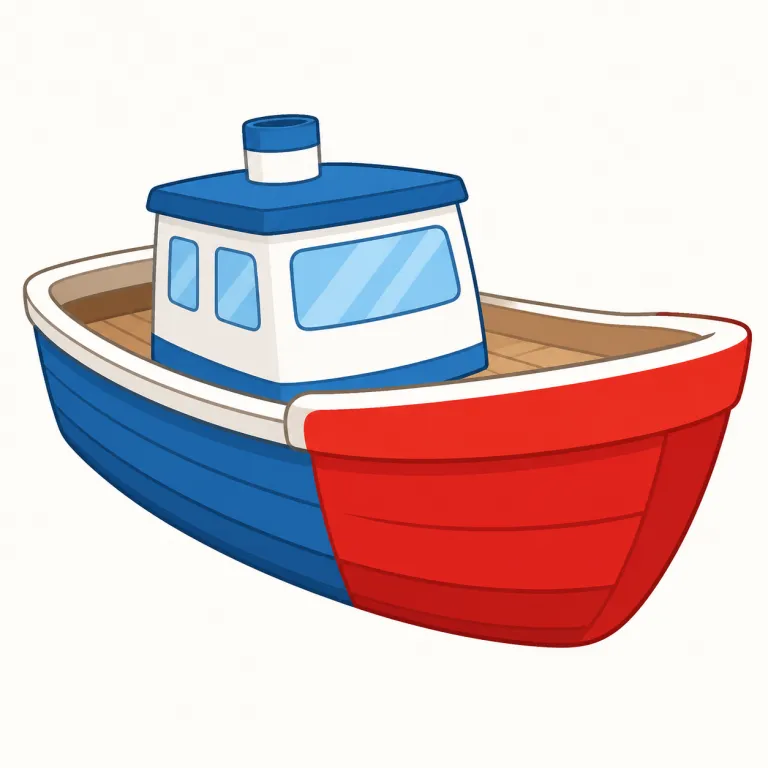
fore(前の・形容詞)の覚え方イラスト — fore は before の fore と同じ「前」の核を持つ語で、ここでは単独で形容詞として働きます

fore

/fɔː/

fore は英検準1級レベルの英単語で、「前の、前部、船の前方、ゴルフの最初のショットまたは警告の掛け声」という意味があります。発音記号は /fɔː/ です。

意味一覧 (4件)

adjective

まえ

解説 Definition

fore は、名詞を前から修飾して「前側にある、先頭寄りの」という位置を示す形容詞です。fore leg, fore wing, fore cabin のように、左右ではなく前後の軸で部位や区画を特定する硬めの表現で使われます。

Fore is an adjective that describes something located at the front part of an animal, vehicle, ship, or other structure. It is often used before nouns such as leg, wing, or cabin to mark position along a front-back line, not a left-right line. Compared with front, fore sounds more technical or formal and is common when people want to describe parts of a structure precisely.

覚え方のコツ Memory Tip

fore は before の fore と同じ「前」の核を持つ語で、ここでは単独で形容詞として働きます。front が店の正面や日常的な前側まで広く使えるのに対し、fore は動物の前脚、船の前甲板、航空機の前部区画など、構造上の前後をきちんと区別したい場面向きです。fore and hind legs のように「後ろ側」と対にして出ることも多く、名詞の「前部」と地続きですが、こちらは後ろに続く名詞の位置を限定する働きに注目します。

Think of the fore in before. It keeps the same core idea of "front" or "ahead," but here it works alone as an adjective. Unlike front, which is common in everyday speech, fore is used more when you need to mark the front part of a body or structure clearly, as in fore leg or fore cabin. It often appears with hind to contrast the front and back parts.

例文

The horse injured its fore leg while jumping the fence.

その馬は柵を跳ぶときに前脚を痛めた。

The mechanic checked the fore wing for damage after the bird strike.

整備士はバードストライクの後、前翼の損傷を点検した。

The passengers in the fore cabin felt the turbulence more strongly.

前部客室の乗客は揺れをより強く感じた。

noun

前部ぜんぶ

(意味 2)

解説 Definition

名詞の fore は、船・航空機・舞台装置などを一つの物体として見たときの「前部、先頭側の区域」を指します。front のような一般語ではなく、乗員や荷物が置かれる具体的な区画・位置を示す専門寄りの語です。

The fore is the front part of something, especially a ship, boat, or aircraft. It is mostly used in technical, nautical, or formal contexts rather than everyday conversation. In simpler English, front is more common.

覚え方のコツ Memory Tip

名詞の fore は、地図上の前方ではなく、物体内部の「前寄りの場所」を名詞として切り出す語です。船なら船首側、航空機なら機首側に近い区域を思い浮かべると覚えやすく、at the fore のように位置を表します。対語の aft「後部」とセットで、海事・航空の前後区分を表す語として整理できます。形容詞 fore が fore deck のように名詞を修飾するのに対し、この用法では fore 自体が場所の名になります。

Think of `fore-` in words like `forehead` and `forearm`, where it points to the front side. The noun `fore` keeps that same front-position idea, especially for ships and aircraft. Learn it with its opposite `aft` to make the pair stick more easily.

例文

The captain stood at the fore of the ship, scanning the horizon for approaching storms.

船長は船の前部に立ち、近づく嵐がないか水平線を見渡していた。

Lookouts were stationed at the fore to watch for reefs.

見張り役は岩礁を警戒するため、船の前部に配置された。

The crew secured the cargo near the fore before the storm arrived.

乗組員たちは嵐が来る前に、前部近くの貨物をしっかり固定した。

noun

ふね前方ぜんぽう

(意味 3)

解説 Definition

船の前部を指します。船舶において船首に最も近い領域であり、特にデッキの前方部分を指します。

例文

The captain stood at the fore of the ship.

船長は船の前方に立っていました。

Sailors work on the fore deck of the ship.

船乗りは船の前方のデッキで働きます。

The fore part of the ship was damaged in the storm.

嵐で船の前方の部分が損傷しました。

noun

ゴルフの最初さいしょのショットまたは警告けいこくこえ

(意味 4)

解説 Definition

ゴルフで、打ったボールが他の人に向かう危険がある時に出す警告の掛け声です。ボールが飛んでくる可能性のある人に危険を知らせるために使われます。

例文

When the golfer hit the ball toward spectators, he shouted 'Fore!' as a warning.

ゴルファーが観客の方にボールを打った時、警告として「フォア!」と叫びました。

Players must always shout 'Fore!' before hitting a ball that might reach other people.

プレイヤーは他の人に到達するかもしれないボールを打つ前に、いつも「フォア!」と叫ばなければなりません。

The caddy listened for 'Fore!' to know when to move to a safer area on the course.

キャディはコースでより安全な場所に移動する時を知るために「フォア!」を聞いていました。

fore の語源・成り立ち Etymology

古英語 fore「前に、前方で」に由来します。before, forehead, foremost などと同じ語根で、「他のものより先・前にある」という中心イメージが形容詞にも残っています。

Fore comes from Old English fore, meaning "before" or "in front." It is related to words like before, forehead, and foremost. The core idea of being ahead of something or in the front has stayed in the adjective fore.

外部辞書で調べる

この単語をシェア

この単語を英単語クイズで覚えよう