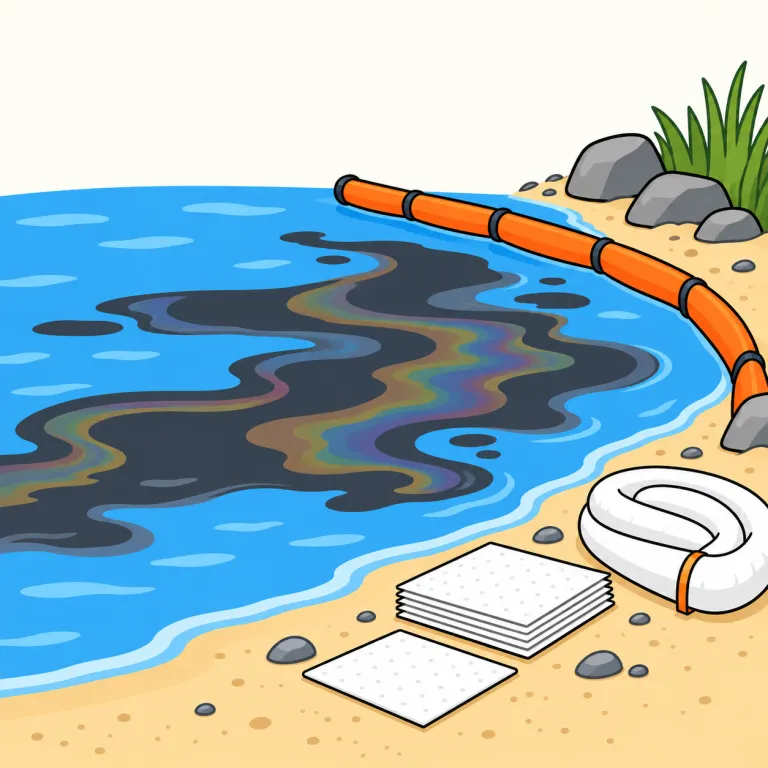
汚れ
解説 Definition
fouling は foul(汚す、だめにする)の現在分詞・動名詞です。水や空気、表面などを汚すことを表し、スポーツでは反則をする意味でも使われますが、ここでは汚す意味が中心です。
The present participle or gerund of foul, meaning making water, air, a surface, or equipment dirty, polluted, obstructed, or less effective. In this sense, it describes contamination rather than committing a sports violation.
覚え方のコツ Memory Tip
原形 foul「汚す」に -ing を付けた現在分詞・動名詞で、発音は /ˈfaʊlɪŋ/。fouling the river や fouling a filter のように、油・ごみ・落ち葉などが水や表面、装置を汚して機能を損なう場面を思い浮かべる。スポーツの「反則する」用法もあるが、ここでは「汚染する」が中心。
Fouling is made by adding -ing to foul and is pronounced /ˈfaʊlɪŋ/. Connect foul with something dirty, unpleasant, or spoiled. Picture oil fouling coastal water or leaves fouling a small filter: the unwanted material not only makes the place dirty but may also prevent proper operation. The same form can refer to committing a foul in sports, but that is a separate use. In these examples, fouling means contaminating or clogging water, surfaces, or equipment.
例文
Oil was fouling the water near the shore.
油が海岸近くの水を汚していました。
The factory was accused of fouling the river.
その工場は川を汚していると非難されました。
Leaves kept fouling the small filter in the pond.
落ち葉が池の小さなフィルターを何度も汚していました。
fouling の類義語・関連語
fouling の語源・成り立ち Etymology
fouling は foul「汚い、よごす」の -ing 形で、foul は古英語 fūl「不潔な、腐った」に由来します。もともと「清潔でない」が中心で、そこから物を汚すことや汚れそのものを表すようになりました。関連語は foul, befoul。
Fouling is the -ing form of the verb foul. Foul comes from Old English fūl, meaning “dirty,” “unclean,” or “rotten,” and has Germanic relatives with similar senses. The adjective gave rise to a verb meaning to make something dirty or harmful. From physical contamination, the word also developed specialized uses for obstructing equipment and violating rules in sport.
同じレベルの語彙をもっと
外部辞書で調べる
この英単語をクイズで覚えよう