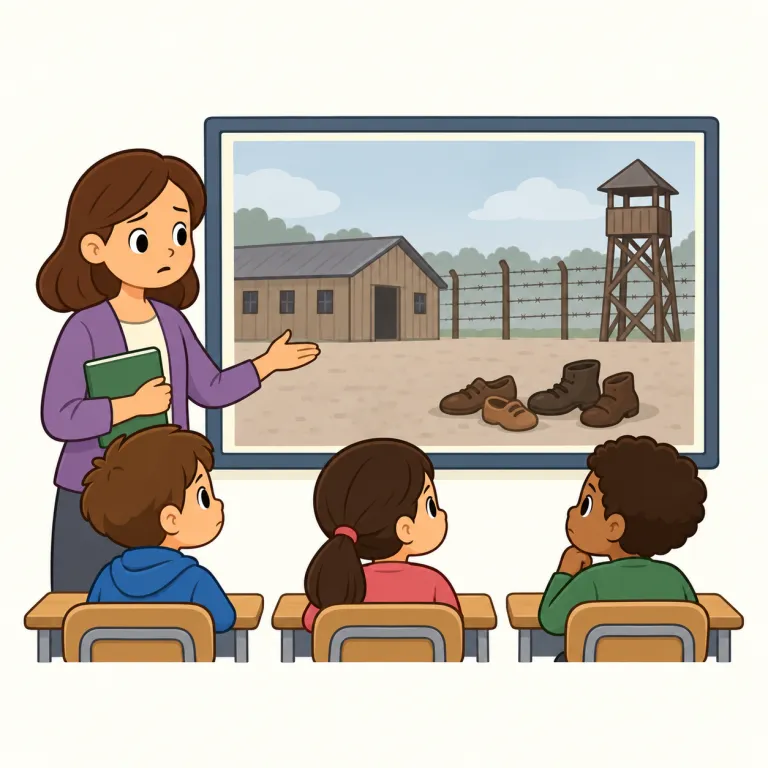
ホロコースト
解説 Definition
ホロコースト、特に第二次世界大戦中のナチス・ドイツによるユダヤ人などへの大量虐殺を指す語です。英語では歴史上の出来事として the Holocaust と大文字で書かれることが多く、日本語のカタカナ語とほぼ同じ意味で使われます。
The Holocaust was the systematic persecution and murder of six million Jews by Nazi Germany and its collaborators during the Second World War. Millions of other people were also persecuted and killed under Nazi rule.
覚え方のコツ Memory Tip
第二次世界大戦中のナチス・ドイツと協力者によるユダヤ人の組織的大量虐殺を指すときは、通常 the Holocaust と大文字で書く。holo-「全体」と、caustic にも見られる「焼く」に関係する要素を手掛かりにできるが、現代では歴史的事件の固有名として正確に理解することが重要。
When this word names the historical genocide carried out by Nazi Germany and its collaborators, remember the standard form the Holocaust, with the and a capital H. Its older components are related to Greek holos, “whole,” and kaustos, “burned,” but the modern historical term must not be reduced to that literal image. Connect it instead with accurate study phrases such as Holocaust history, Holocaust victims, Holocaust survivors, and Holocaust remembrance. This keeps the spelling, capitalization, and specific historical meaning together.
例文
We studied the Holocaust in history class.
私たちは歴史の授業でホロコーストについて学びました。
The museum has photos from the Holocaust.
その博物館にはホロコーストに関する写真があります。
Many books explain what happened during the Holocaust.
多くの本がホロコーストの間に何が起きたのかを説明しています。
holocaust の類義語・関連語
類義語
派生語
紛らわしい語
holocaust の語源・成り立ち Etymology
holocaust は古フランス語 holocauste を経て、後期ラテン語 holocaustum、さらにギリシャ語 holokauston「丸ごと焼かれた供物」にさかのぼる。holo-「全体」+ -caust「焼く」から成り、caustic も同根なので、「完全に焼き尽くす」が大規模な破壊や虐殺の意味へ広がったとわかる。
Holocaust came through Old French and Late Latin from Greek holokauston, referring to an offering burned completely. It combines holos, “whole,” with a form related to kaiein, “to burn”; caustic is historically related to the latter element. The word later described extensive destruction or killing. In modern English, the capitalized form the Holocaust specifically names the Nazi persecution and systematic murder of European Jews and other victims.
同じレベルの語彙をもっと
外部辞書で調べる
この英単語をクイズで覚えよう