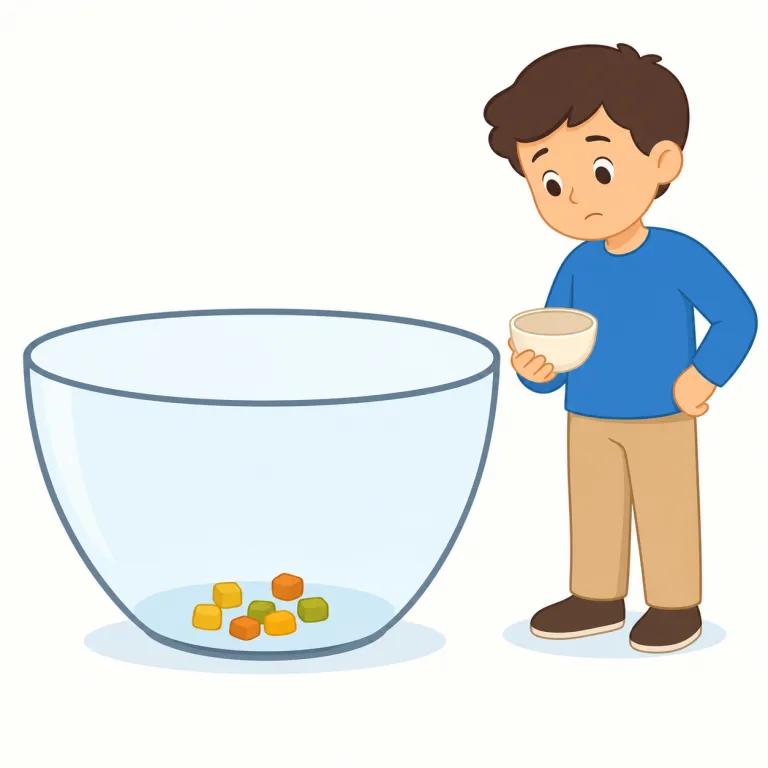
insufficiency
insufficiency はTOEIC 990・TOEFL 100・IELTS 7.5レベルの英単語で、「不足」という意味があります。発音記号は /ˌɪnsəˈfɪʃənsi/ です。
不足
解説 Definition
不足とは、必要または望まれているものが十分ではない状態や欠乏を指します。量的または質的に、何かが足りない、欠けている状況を表しています。
Insufficiency means a lack of something that is needed, or a state of not being enough. It is often used in formal, medical, or technical contexts, such as talking about limited resources or weak function in the body. The word is more formal than simple words like shortage or lack.
覚え方のコツ Memory Tip
まず sufficient「十分な」、suffice「足りる」が土台。そこに否定の in- が付いて「十分でない状態」だと押さえると覚えやすいです。insufficient が形容詞、insufficiency はその名詞形。shortage が物の不足量を言いやすいのに対し、insufficiency は資金・証拠・準備などが“十分な水準に達していない”というやや硬い響き。evidence insufficiency, financial insufficiency などの形で見ると定着します。
Build it from `sufficient`, which means enough. Add `in-`, and the idea becomes not enough; then `-cy` turns it into a noun. `Insufficient` is the adjective, and `insufficiency` is the condition itself. It often sounds formal, especially for things like evidence, money, or preparation that do not reach the needed level.
例文
The insufficiency of funding forced the project to be scaled down.
資金の不足のため、プロジェクトを縮小することを余儀なくされました。
The patient was diagnosed with cardiac insufficiency and required treatment.
患者は心臓機能不全と診断され、治療が必要でした。
The insufficiency of evidence prevented the prosecution from bringing charges.
証拠の不足のため、検察は起訴することができませんでした。
insufficiency の類義語・関連語
類義語
insufficiency の語源・成り立ち Etymology
insufficiency はラテン語 sufficere「足りるようにする」に否定の in- と名詞語尾 -ency が付いた語。suffice や sufficient と同根で、「必要な所まで届かないこと」がそのまま「不足」になる。
Insufficiency comes from Latin sufficere, meaning "to provide enough," with the negative prefix in- and the noun ending -ency. The word keeps the idea of not reaching what is enough or needed. It shares its root with suffice and sufficient.
同じレベルの語彙をもっと
TOEIC 990の一覧へ →外部辞書で調べる
この英単語をクイズで覚えよう