
inverse
inverse はTOEFL 80・IELTS 6.5レベルの英単語で、「逆の、逆数、逆」という意味があります。発音記号は /ɪnˈvɝs/ です。
逆の
/ noun 名詞 逆数、逆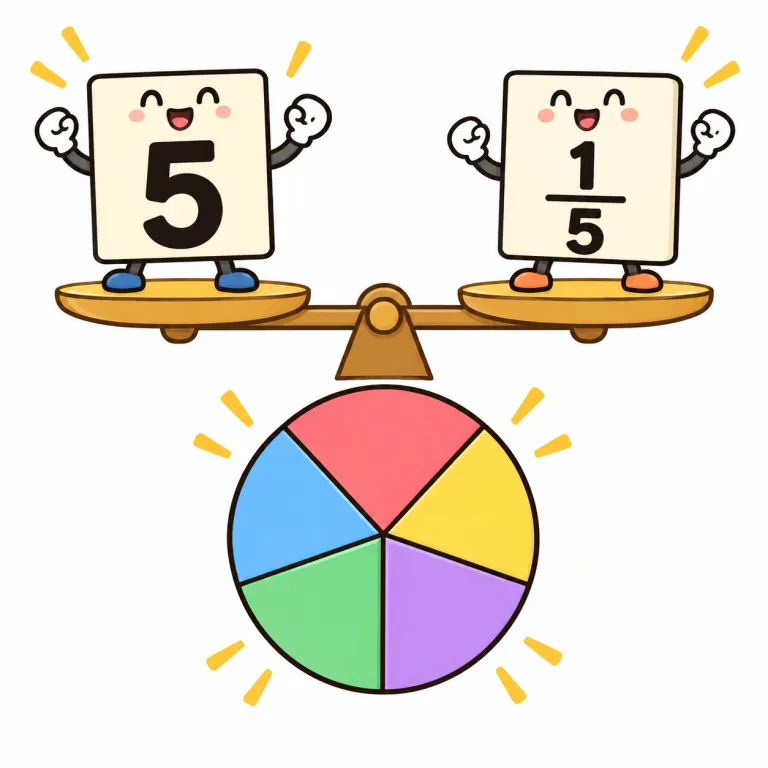
解説 Definition
「逆の」は、ある事物や関係が反対向き・反対の対応関係を持つことを表す形容詞です。数学では逆数や逆関数などに使われます。また、比例関係において一方が増えると他方が減る「反比例」の関係を inverse relationship と表現します。
Inverse means opposite in direction, order, or effect. It is often used in math, science, and formal writing to describe something that works in a completely opposite way. The word is more common in technical contexts than in everyday conversation.
覚え方のコツ Memory Tip
まず invert(逆さにする)や reverse(反転させる)と同じグループだとまとめると定着しやすいです。inverse は opposite のような単純な「反対」より、順序・方向・関係が対応して逆になる感じが中心。数学なら inverse function, inverse proportion、一般語なら an inverse relationship が定番で、「Aが増えるほどBが減る」のように逆向きに連動する場面を思い浮かべると残ります。名詞的に the inverse of A もよく出るのでセットで覚えると強いです。
Think of the family `invert`, `reverse`, and `inverse`. `Inverse` often appears in math and patterns like `inverse function`, `inverse proportion`, and `an inverse relationship`, so connect it with two things moving in opposite directions. It is stronger than simple `opposite` because it suggests a matched reverse order or relation.
例文
There is an inverse relationship between price and demand.
価格と需要の間には逆の関係があります。
The inverse of addition is subtraction.
加法の逆演算は減法です。
The two variables showed an inverse correlation in the experiment.
その実験では2つの変数が逆相関を示しました。
えいたんごクイズでの正答率
この語をはじめて出題された 35人 のうち 24人 が正解しました(69%)。
えいたんごクイズの回答から集計した独自データです。1人につき最初に出題されたときの1回だけを数えており、復習や2回目以降の回答、「わからない」と時間切れは含みません。 集計時点は 2026年9月19日 です。
inverse の類義語・関連語
inverse の語源・成り立ち Etymology
inverse はラテン語 inversus「ひっくり返された」に由来し、in- + vertere「向きを変える」に分けられます。invert や reverse と同根で、「向きを内側へ返したもの」と考えると、「逆の・反対の」が形の感覚でつかめます。
Inverse comes from Latin inversus, meaning "turned upside down" or "turned back." It is built from in- and vertere, "to turn," the same root seen in invert and reverse. The idea moved from something physically turned around to the broader sense of being opposite or reversed.
同じレベルの語彙をもっと
TOEFL 80の一覧へ →外部辞書で調べる
この英単語をクイズで覚えよう