えいたんごクイズ
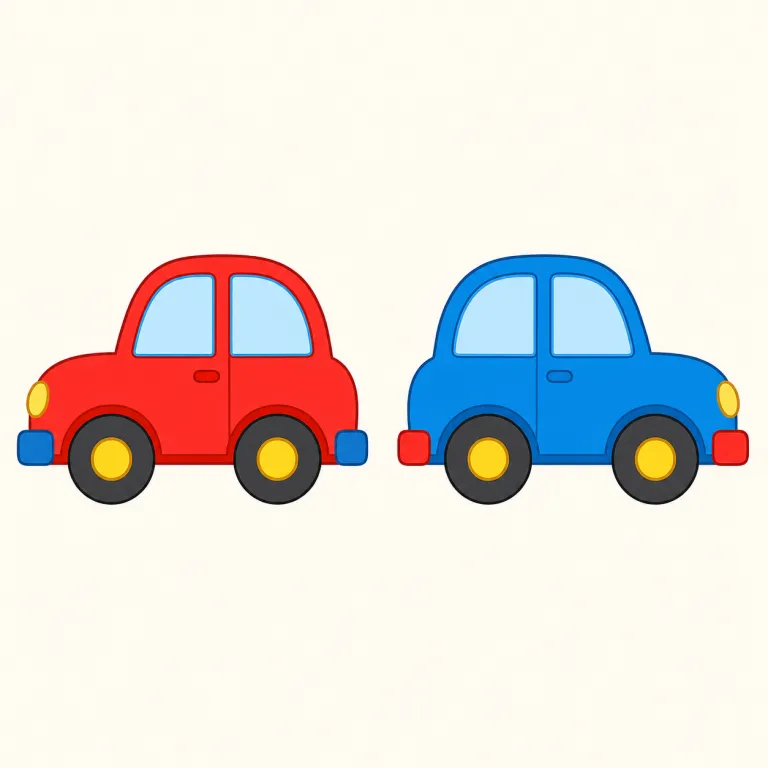
reverse(逆にする・動詞)の覚え方イラスト — reverse は「元に戻す」よりも、「向き・流れ・判断を反転させる」とまとめると残りやすい語です

reverse

/rɪˈvɝs/

reverse は英検準2級・英検2級・TOEIC 860・TOEFL 80・IELTS 6.5レベルの英単語で、「逆にする、逆の、逆転する、バックする」という意味があります。発音記号は /rɪˈvɝs/ です。

意味一覧 (4件)

verb

ぎゃくにする

解説 Definition

順番や方向、判断などをそれまでと反対に変えるときに使う。決定を取り消して元に戻したり、流れや作用を反対向きにしたりする文脈でよく用いられる。『逆転する』より、結果がひっくり返ることより操作として逆向きに変える意味が中心。

To reverse something means to change its order, direction, effect, or decision so that it becomes the opposite of what it was before. It is often used when a decision is canceled, a trend moves the other way, or a process is made to work in the opposite direction. The word focuses on the act of turning something around, not only on the final result.

覚え方のコツ Memory Tip

reverse は「元に戻す」よりも、「向き・流れ・判断を反転させる」とまとめると残りやすい語です。re- は「後ろへ・再び」の形として recognize しておくと、reverse も「前進の反対側へ動く」感覚でつかめます。reverse a decision, reverse the trend, reverse gear のように、いったん進んだものをひっくり返す場面でよく出ます。return が単に戻るだけなのに対し、reverse は方向や立場そのものが逆になる点を意識すると混同しにくいです。

Think of reverse as “turn the direction around,” not just “go back.” The prefix re- can suggest movement back, and verse comes from the idea of turning, so the word feels like turning something toward the opposite side. Remember common phrases such as reverse a decision, reverse the trend, and reverse gear. Unlike return, reverse means the direction, effect, or position itself becomes opposite.

例文

The driver had to reverse the car carefully out of the narrow driveway.

運転手は狭い私道から車を慎重にバックさせなければならなかった。

The court decided to reverse the earlier decision.

裁判所は以前の決定を取り消すことにした。

New policies may help reverse the decline in student numbers.

新しい方針は学生数の減少傾向を逆向きに変える助けになるかもしれない。

adjective

ぎゃく

(意味 2)

解説 Definition

形容詞の reverse は、名詞の前で「通常と反対向き・逆順・裏側にある」と指定する語です。動作ではなく、配置や表示の向きにつくラベルで、reverse order, reverse side, reverse gear のように手順表・画面・機械操作で使われます。

As an adjective, reverse describes something that is facing, moving, arranged, or shown in the opposite direction from the usual one. It is often used before a noun to label the direction, order, or side of something, especially in instructions, screens, lists, and machines. It does not describe the action of changing something; it describes the opposite state or arrangement.

覚え方のコツ Memory Tip

「すでに反対向きになっている印」と覚えると、動詞との違いが見えます。説明書で reverse side とあれば「裏面」、一覧で reverse order とあれば「最後から最初へ」の並びです。opposite が性質や意見の対立にも広く使えるのに対し、形容詞 reverse は面・順序・進行方向など、向きをもつものに付くのが得意です。語源的には「後ろへ向きを変える」感覚から、状態を表す形容詞にも広がりました。

Think of reverse as a label meaning “already facing the other way.” On an instruction sheet, the reverse side is the back side; in a list, reverse order means from the last item to the first. Unlike opposite, which can describe ideas or opinions, adjective reverse is especially useful for things with direction, order, or sides.

例文

Please write your name on the reverse side of the form.

用紙の裏面に名前を書いてください。

The files are listed in reverse order, from newest to oldest.

ファイルは新しいものから古いものへの逆順で並んでいます。

Put the car into reverse gear before backing out of the driveway.

車道からバックで出る前に、車をリバースギアに入れてください。

verb

逆転ぎゃくてんする

(意味 3)

解説 Definition

動詞の reverse は、進んでいた方向・順序・判断・結果を反対側へ切り替えることです。勝敗を逆転する、決定を覆す、車をバックさせるなど、元の流れを反対向きに変える動作や変化に焦点があります。

To reverse means to change something to the opposite direction, order, or result. It is often used for decisions, movement, trends, or actions that are turned back. In many contexts, it suggests undoing an earlier change.

覚え方のコツ Memory Tip

reverse を動詞で見る時は、「流れを反対向きにひっくり返すスイッチ」と考えると使い分けやすいです。reverse a decision は決定を反対に変えること、reverse a trend は下降や上昇の流れを反転させること、車が reverse するなら後ろ向きに動くことです。形容詞 reverse が「逆向きの状態」を指すのに対し、動詞はその状態へ変える、または変わるプロセスを表します。

Think of reverse as turning something around in the opposite direction. It often goes with decision, trend, or gear, so the image is not just going back, but changing direction. This makes it different from return, which can simply mean come back.

例文

The team reversed the losing streak and won the next three games.

チームは連敗を逆転させ、次の3試合に勝ちました。

He reversed his decision after hearing new information.

彼は新しい情報を聞いた後、決定を覆しました。

The car reversed out of the parking space carefully.

その車は駐車スペースから慎重にバックして出ました。

verb

バックする

(意味 4)

解説 Definition

車や機械などが後ろ向きに動く、または後ろへ動かすときに使う。駐車や切り返しの場面で特によく使われ、進行方向を前から後ろへ切り替える動作を表す。抽象的な『逆にする』ではなく、実際の移動や運転操作を示す語義である。

To reverse means to move backward, or to make a vehicle or machine move backward. It is often used when driving, parking, or changing direction from forward to backward. In this sense, it describes real movement, not simply changing an idea or opinion.

例文

Please reverse slowly into the parking space.

駐車スペースへゆっくりバックしてください。

The driver reversed the car out of the narrow driveway.

運転手は狭い私道から車をバックで出した。

When the machine got stuck, we had to reverse it a little.

機械が詰まったので、少し後ろへ動かさなければならなかった。

reverse の語源・成り立ち Etymology

ラテン語 reversus(向きを変えた)から。re-(後ろへ)+ vertere(回す)の過去分詞形。関連語: convert(変換する)、universe(宇宙)。「後ろへ回す」が原義で、方向・順序・状態をひっくり返す意味すべてがこの語根から生まれている。

Reverse comes from Latin reversus, meaning “turned back,” from re- meaning “back” and vertere meaning “to turn.” The original idea was to turn something backward, which developed into the meanings of changing direction, order, or state.

外部辞書で調べる

この単語をシェア

この単語を英単語クイズで覚えよう