逆数・逆行列を求める
verb 動詞数学で、分数の分子と分母を入れ替えて逆数にしたり、行列に対応する逆行列を求めたりすることを表す。物の上下や画像を反転させる意味とは異なり、演算を元に戻す数学的な対象を得る用法である。
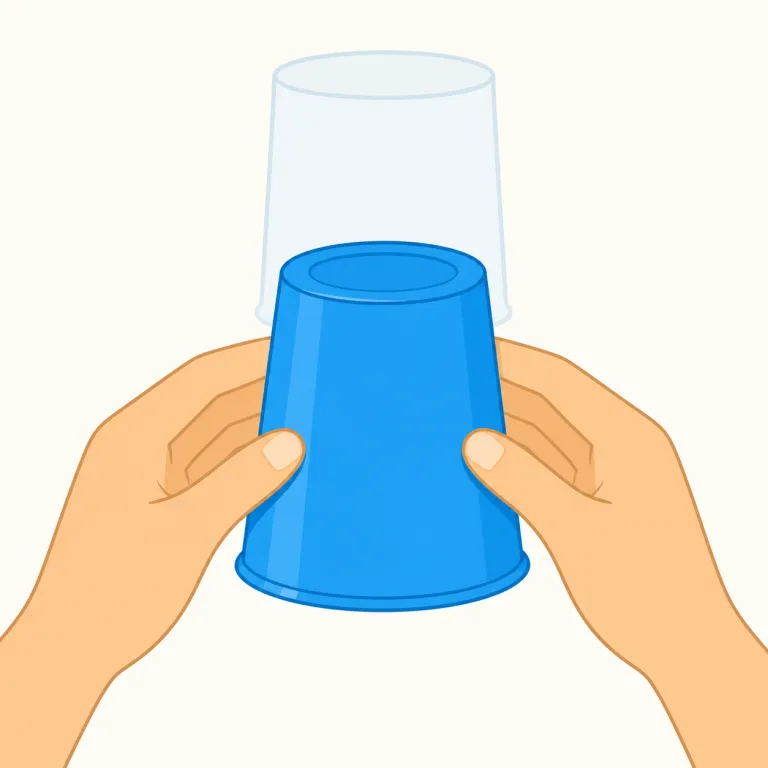
invert はTOEFL 100・IELTS 7.5レベルの英単語で、「反転する」という意味があります。発音記号は /ɪnˈvɝt/ です。
invertは物体の方向や位置を上下逆にする、反転させることを意味する動詞です。また、化学では分子の構造が反転すること、デジタル環境では色やイメージが反転することを指します。
To invert means to turn something upside down or change it into the opposite order or position. It is used in everyday situations and also in math, music, and technology. The word often suggests a complete reversal rather than a small change.
invert は in- + vert の形で、「向きを変える」語群だとまとめて覚えると残りやすいです。まず reverse が「逆向きにする」、convert が「別の形に変える」と分かれば、invert はその中でも特に「上下・内外をひっくり返して反転させる」感覚。画像なら invert colors、容器なら invert the bottle のように、見た目や位置が逆転する場面で出やすい語です。単なる change より“反対向きになる”点を意識すると定着します。
Group `invert` with other `-vert` words like `reverse` and `convert`, where the idea is turning or changing direction. `Invert` is the one that suggests turning something upside down or into the opposite form. Phrases like `invert colors` help fix that image quickly.
The acrobat learned to invert his body in mid-air for the performance.
その曲芸師はパフォーマンスのために空中で体を反転させることを学んだ。
The filter will invert the image's colors when you apply it.
そのフィルターを適用すると、画像の色が反転します。
The chemical process will invert the molecule's structure.
その化学プロセスは分子の構造を反転させます。
文脈によって、次の意味でも使われます。
数学で、分数の分子と分母を入れ替えて逆数にしたり、行列に対応する逆行列を求めたりすることを表す。物の上下や画像を反転させる意味とは異なり、演算を元に戻す数学的な対象を得る用法である。
invertはラテン語invertereに由来し、in-+vertere「向きを変える」から成る語です。verse, convertと同根で、「向きをくるりと変える」という核イメージから「反転する」の意味になりました。
Invert comes from Latin invertere, made from in- and vertere, "to turn." Its core idea is simply "to turn in a different direction" or "turn over." The same root appears in English words such as convert and verse.
この英単語をクイズで覚えよう