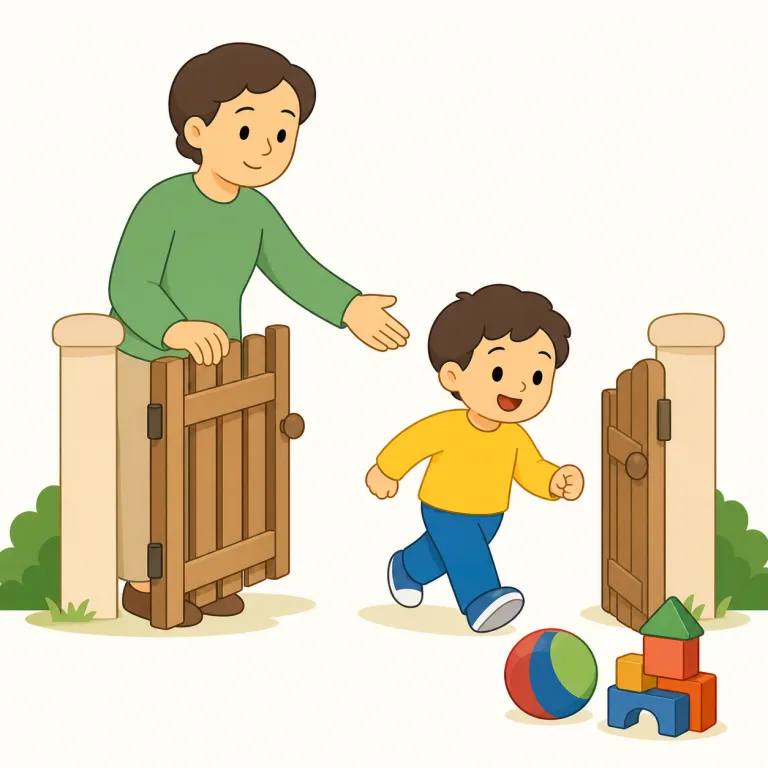
let A do
let a do は英検準2級レベルの英語表現で、「Aに〜させる、Aが〜するのを許す」という意味があります。発音記号は /lɛt ə ˈduː/ です。
Aに〜させる、Aが〜するのを許す
解説 Definition
let のあとに人や物を表す目的語を置き、その後ろに動詞の原形を続けて「Aに〜させる」「Aが〜するのを許す」という意味を表す構文。強制ではなく、許可・放任・容認のニュアンスで相手の行動を認める場面でよく使われる。
Let A do means to allow someone to do something or not stop them from doing it. It is used when talking about permission, choice, or freedom to act. After let, English uses the base form of the verb, not to + verb.
覚え方のコツ Memory Tip
let はまず「止めずに自由にさせる」と置くと覚えやすいです。let A do は allow A to do のもっと基本的で会話的な形で、A の後ろは to ではなく動詞原形になるのが重要。make A do が「強制」、have A do が「やってもらう」に近いのに対し、let A do は「していいよ」「そのままさせておく」という許可・放任の感覚。Let me go. Let him speak. のような短い実例ごと覚えると定着します。
Think of `let` as "not stopping" someone. In `let A do`, the important memory point is that the next verb is the base form: no `to`. Compare it with `allow A to do` and remember that `let` is shorter, more basic, and more conversational.
例文
Let her choose the music for the party.
彼女にパーティーの音楽を選ばせよう。
I let my brother play video games after he finished his homework.
私は弟が宿題を終えたあと、ビデオゲームをするのを許した。
Don't let the children stay up too late.
子どもたちがあまり遅くまで起きているのを許してはいけない。
let a do の語源・成り立ち Etymology
letは古英語lǣtan(許す、放つ)から。ゲルマン祖語latjaną(手放す)に由来し、「妨げずにさせる」が原義。makeやhaveと異なり、相手の自由意志を尊重する使役を表す。late(遅い=放っておかれた)と同根。
Let comes from Old English laetan, meaning "to allow," "to leave," or "to let go," from an older Germanic root with the idea of releasing. It is related to late in a distant historical sense. In let someone do something, the idea is not forcing or blocking a person, and this developed into the causative meaning of allowing an action to happen.
同じレベルの語彙をもっと
英検準2級の一覧へ →外部辞書で調べる
この英語表現をクイズで覚えよう